
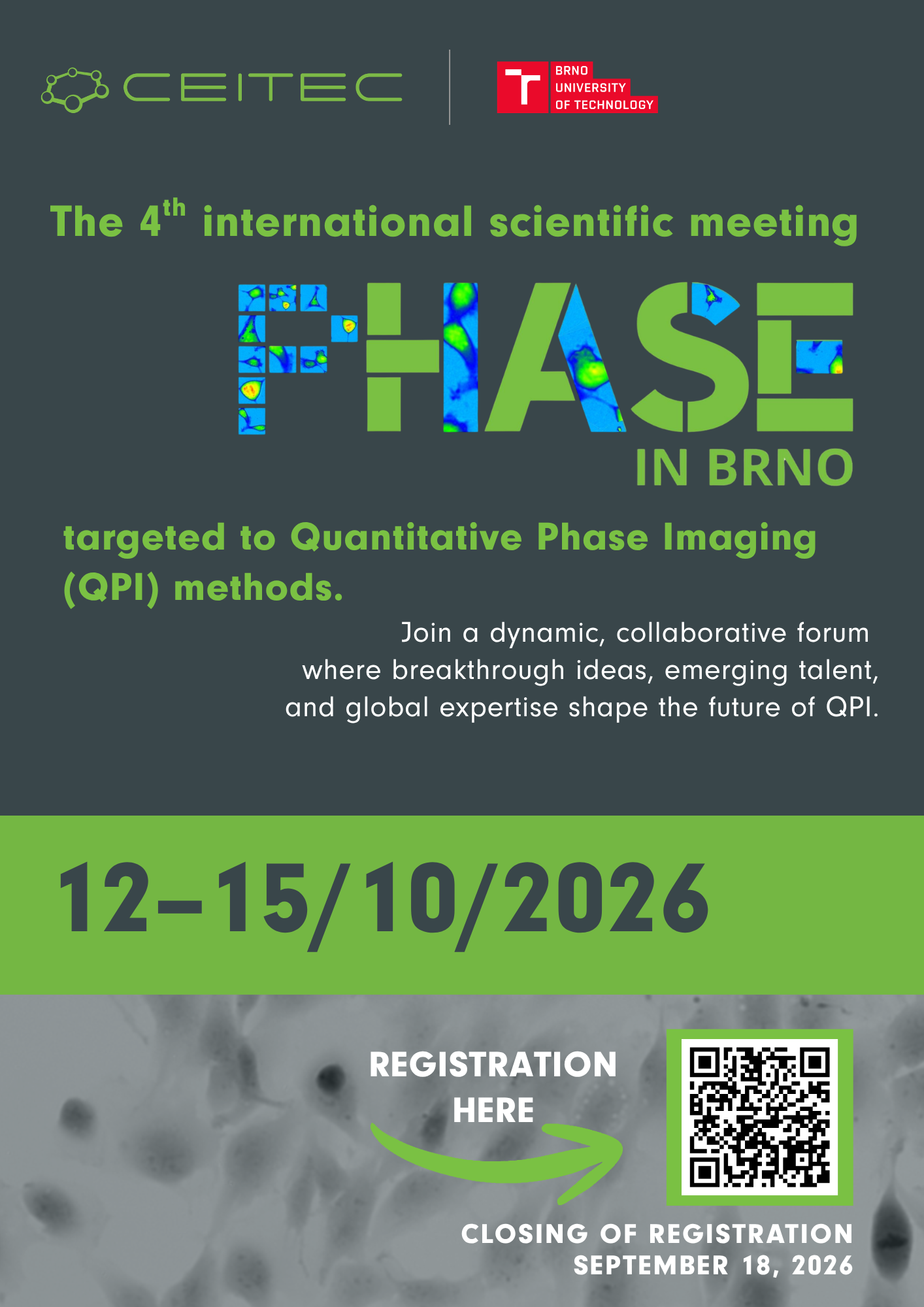
12-15 October 2026
CEITEC BUT, Purkyňova 123, Brno-Královo Pole
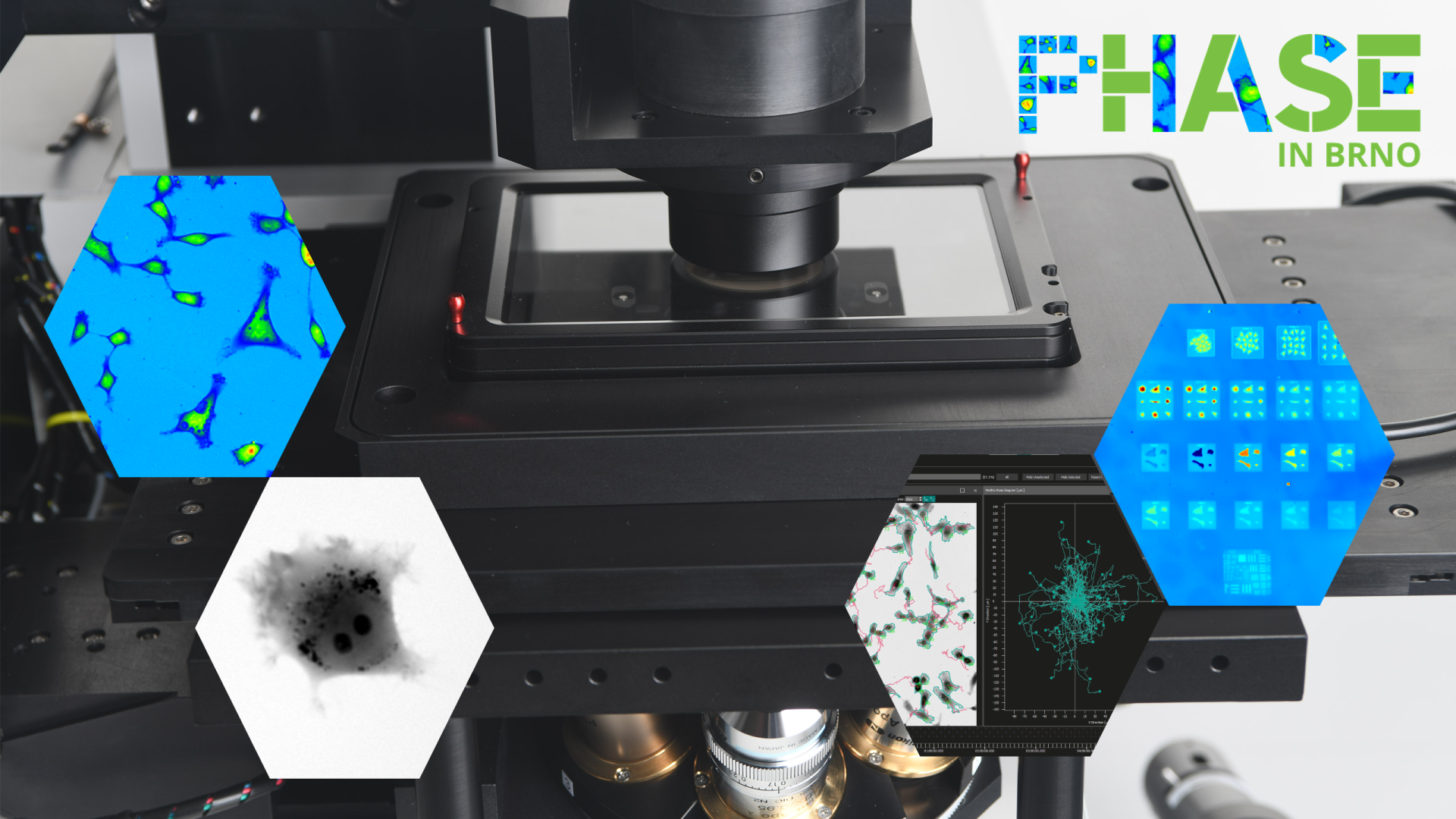
Are you interested in advanced microscopy, quantitative phase imaging (QPI), or biophotonics? Then mark your calendar for PHASE in Brno 2026, an international scientific meeting dedicated to Quantitative Phase Imaging, taking place on 12–15 October 2026 in Brno, Czech Republic. The event is co-organized by the Biophotonics Core Facility at CEITEC Brno University of Technology, a facility of the Czech-BioImaging research infrastructure.
Whether you are already using QPI methods in your research, developing new imaging approaches, or simply interested in learning about the latest advances in label-free microscopy, PHASE in Brno offers an excellent opportunity to connect with the international QPI community.
The conference will bring together leading experts, technology developers, facility scientists, and researchers from a broad range of disciplines to discuss recent developments and emerging applications of quantitative phase imaging. Participants can look forward to inspiring keynote lectures, scientific presentations, and valuable networking opportunities in a collaborative and friendly atmosphere.
We particularly encourage Czech-BioImaging users and collaborators to attend and share their research with the international community. The meeting provides an ideal platform to exchange ideas, establish new collaborations, and discover how QPI technologies can advance your research.
Registration is open!
Important dates:
We look forward to meeting many members of the Czech-BioImaging community in Brno.


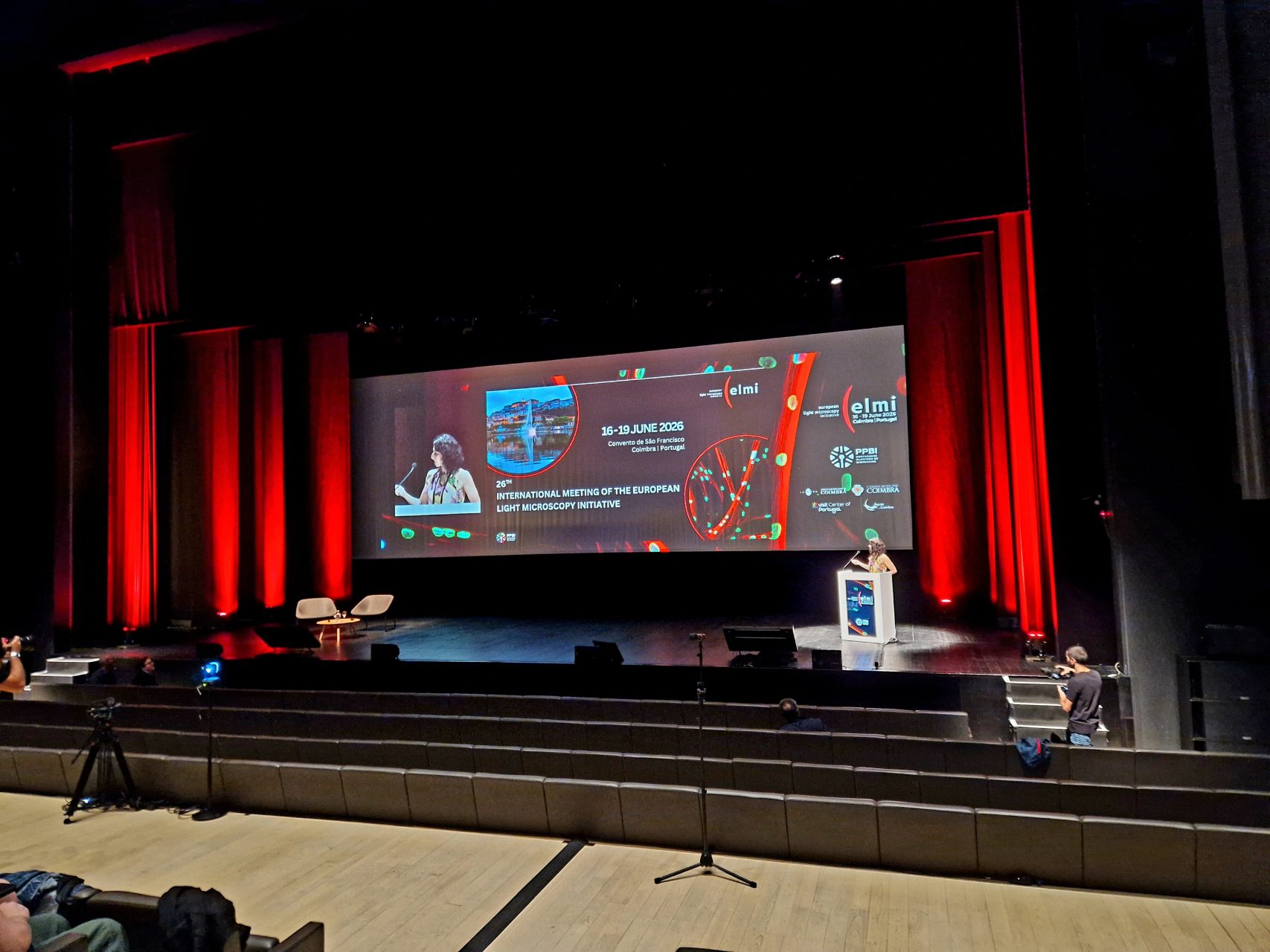
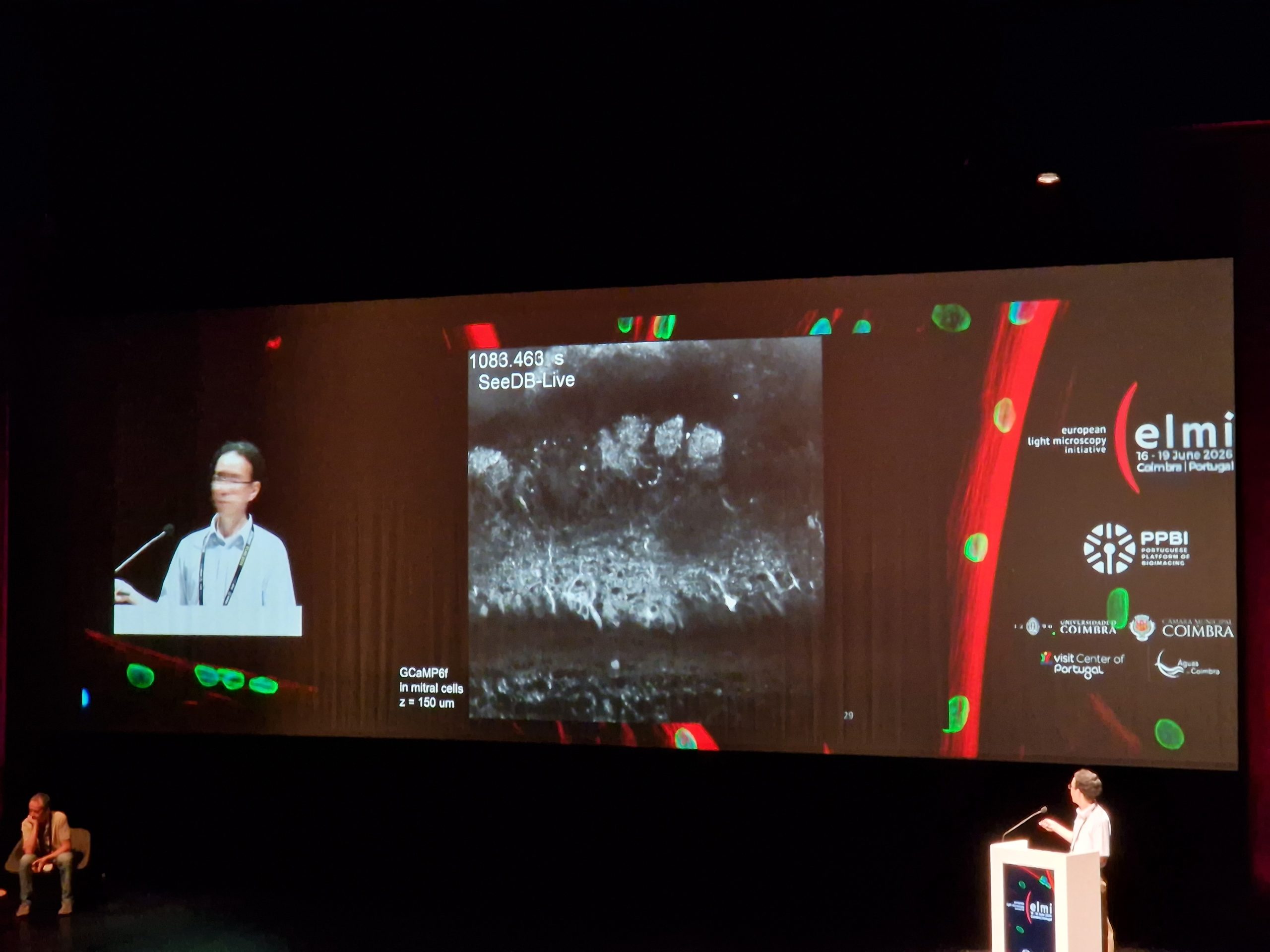
The Czech-BioImaging community was strongly represented at the 26th European Light Microscopy Initiative (ELMI) Meeting, held from 16–19 June 2026 in Coimbra, Portugal. Hosted by the Portuguese Platform of BioImaging (PPBI) and the University of Coimbra, ELMI 2026 brought together researchers, imaging facility experts, technology developers, and industry partners from across Europe and beyond to discuss the latest advances in light microscopy and bioimaging.
Recognized as one of the leading annual meetings of the European microscopy community, ELMI provides a unique platform for scientific exchange, technology showcases, facility networking, and community building. This year’s programme featured developments in advanced microscopy technologies, image analysis, artificial intelligence, spatial biology, and emerging imaging approaches, attracting participants from imaging facilities and research infrastructures across Europe.
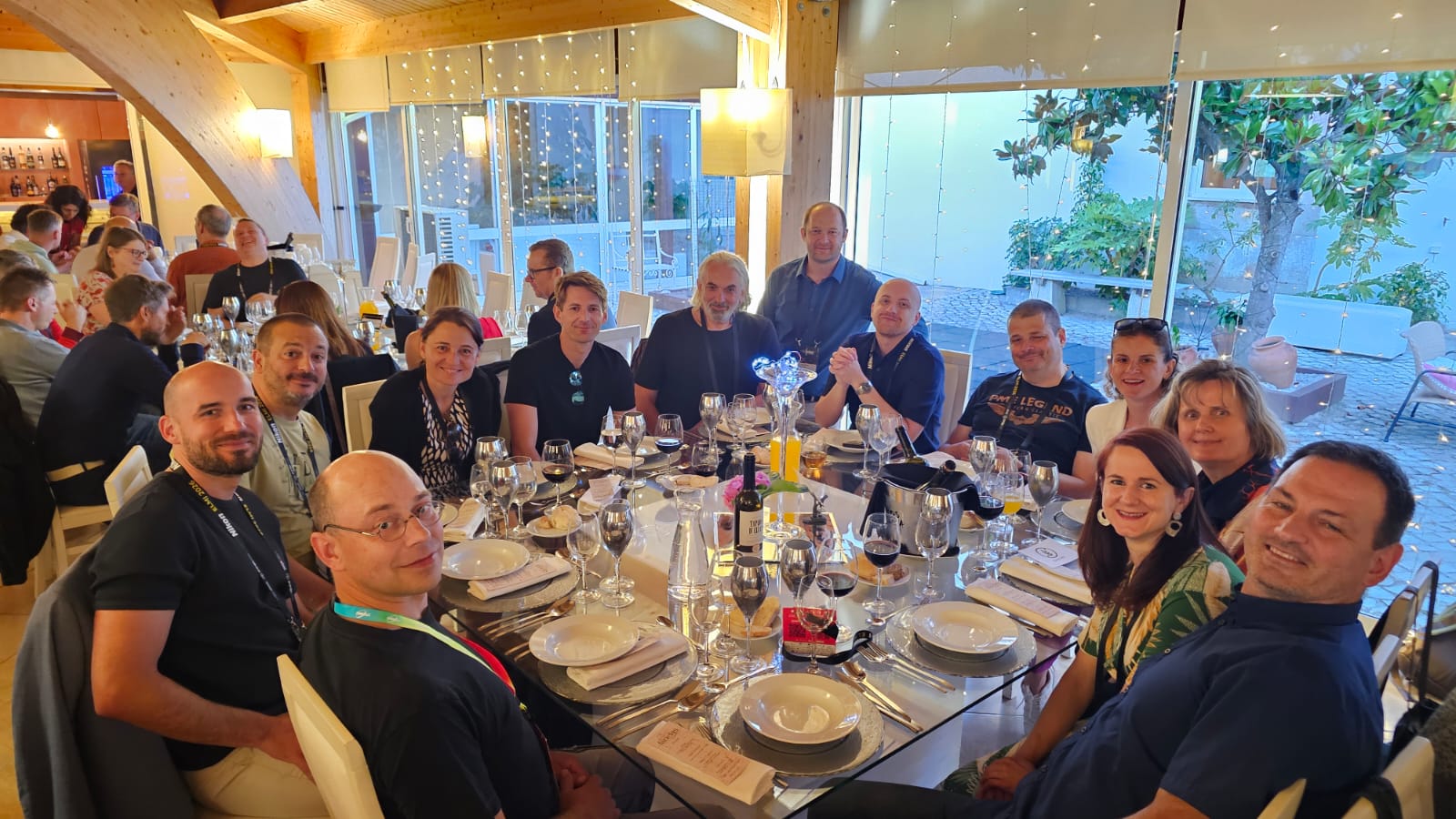
Representatives from several Czech-BioImaging Facilities attended ELMI 2026, including MUNI CELLIM CEITEC, IMG LM, CUNI IMCF BIOCEV, CUNI VMCF, IEB IF, and IEM MSC, using the opportunity to strengthen connections within the European bioimaging community and engage with colleagues from imaging facilities, research infrastructures, and industry. ELMI continues to be an important venue for exchanging experiences and discussing common challenges in facility operation, user support, training, and the implementation of new technologies.
A valuable aspect of the meeting was the interaction with colleagues from Euro-BioImaging ERIC and its Nodes across Europe. These discussions provided opportunities to share experiences, explore future collaborations, and strengthen Czech-BioImaging’s involvement within the broader Euro-BioImaging community. Such exchanges play an important role in ensuring that Czech-BioImaging remains closely connected to European developments in imaging technologies, facility services, and research infrastructure activities.
The Czech-BioImaging delegation also met with microscopy manufacturers and technology providers participating in the extensive industrial exhibition. These interactions offered insights into the latest instrumentation, imaging solutions, and technological trends, helping Czech-BioImaging Facilities stay informed about innovations that may benefit the Czech research community in the future.
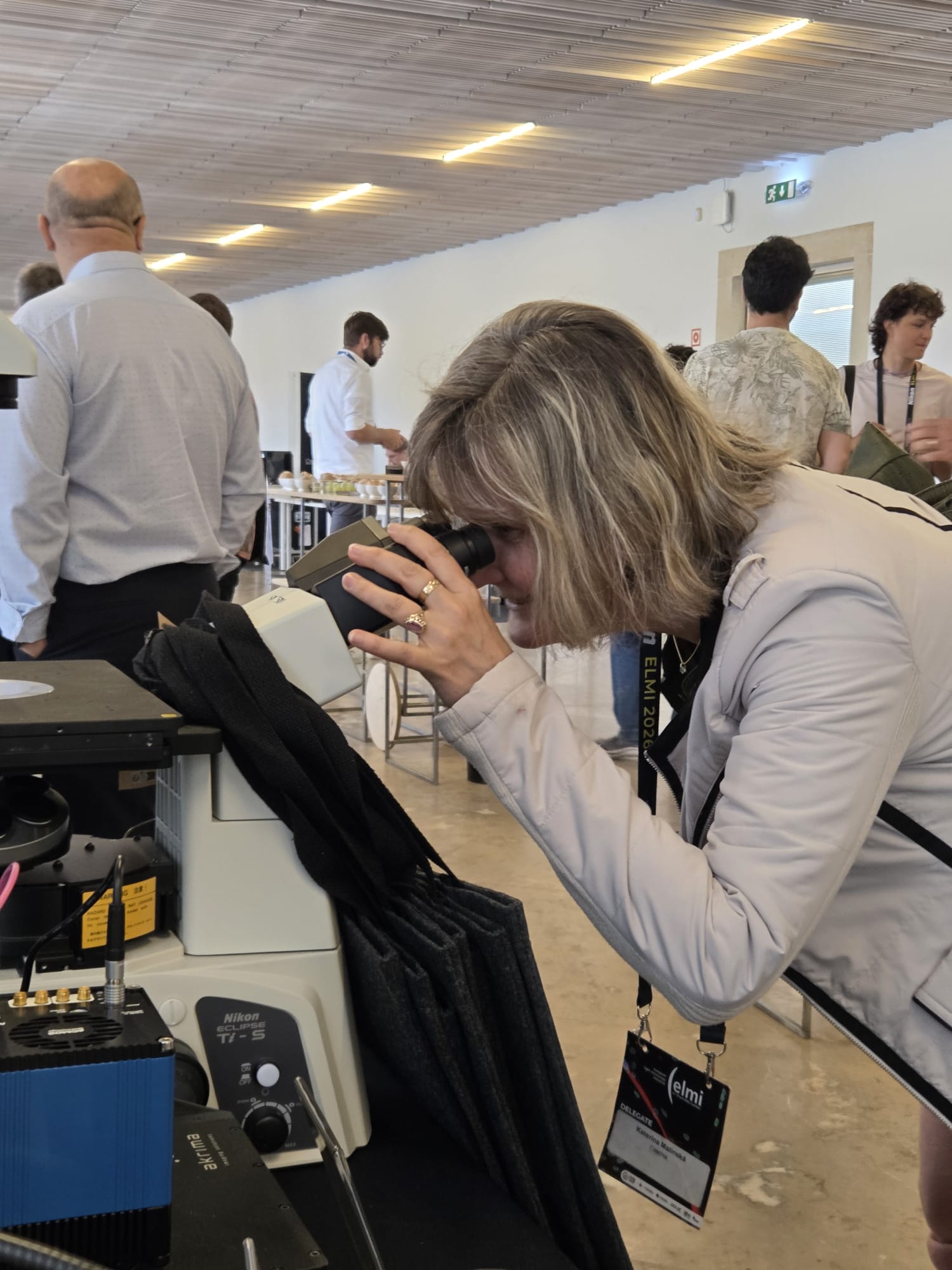
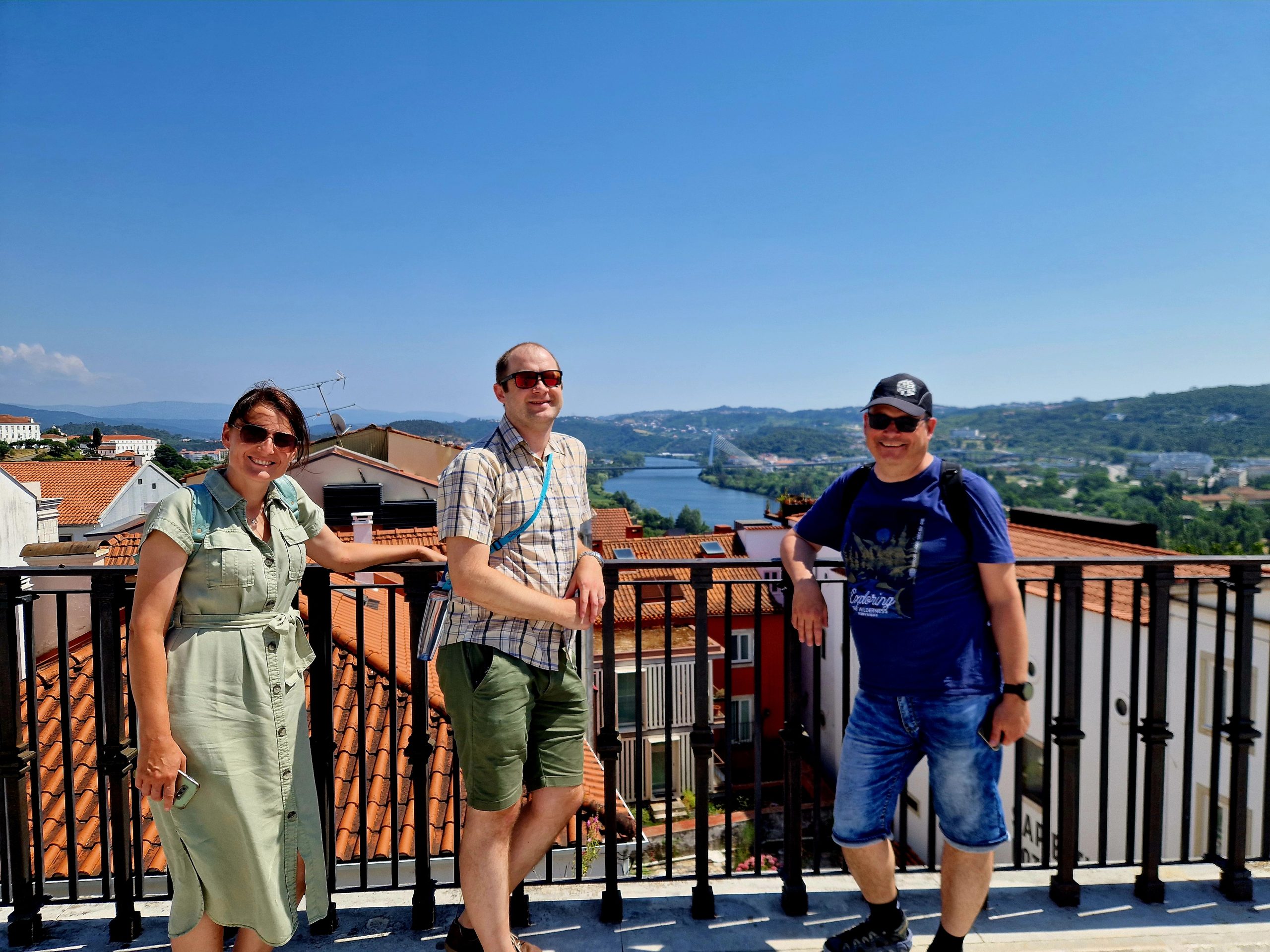
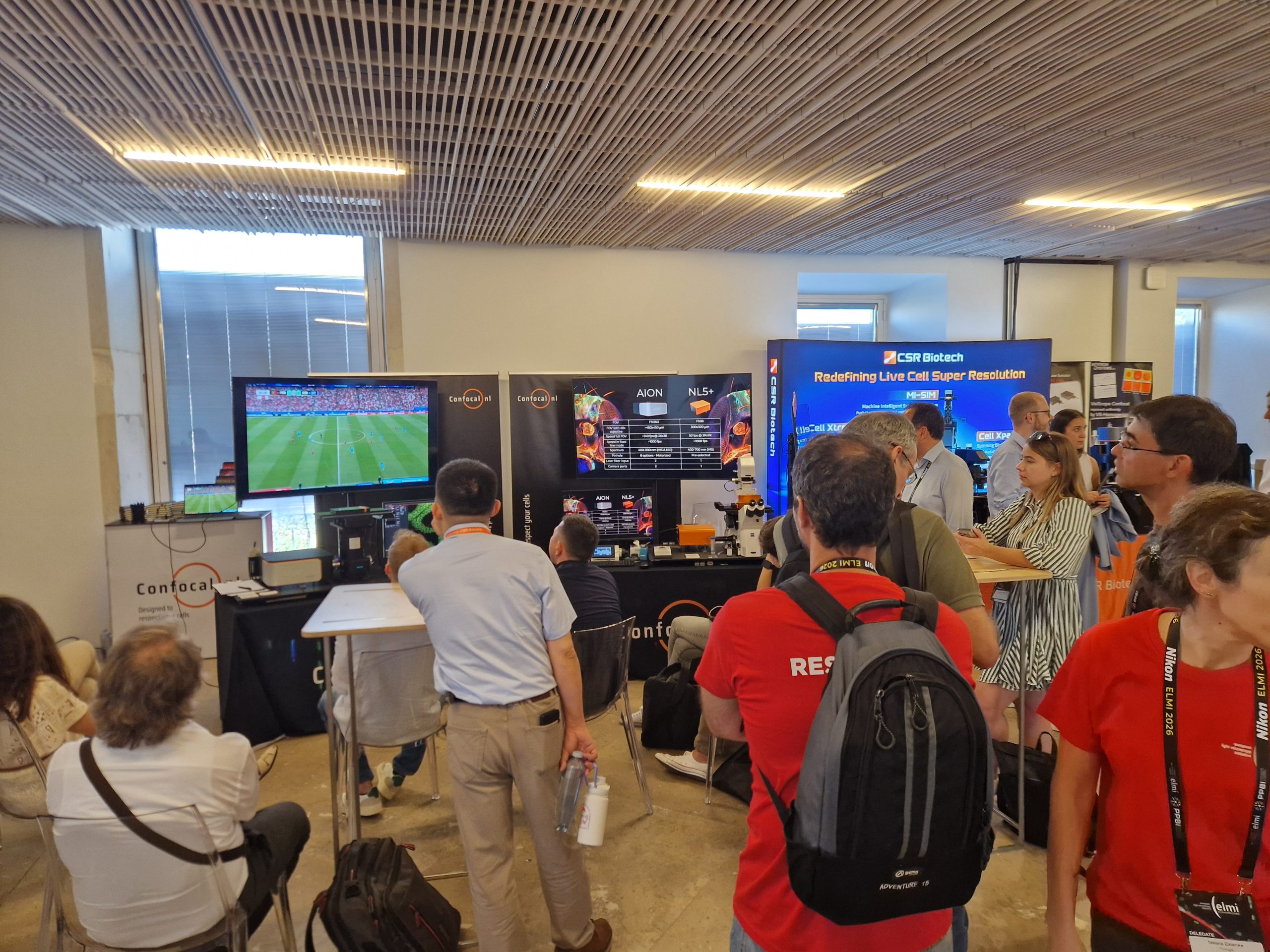
Beyond the scientific programme, ELMI 2026 once again demonstrated the importance of community building within the European imaging ecosystem. The meeting provided an excellent environment for networking, exchanging ideas, and strengthening professional relationships that support future collaborations across facilities, institutions, and countries.
We thank the ELMI 2026 organizers and our colleagues from the Portuguese Platform of BioImaging for hosting an inspiring and welcoming meeting in the historic city of Coimbra. We return with new contacts, valuable insights, and renewed motivation to continue supporting excellence in bioimaging and microscopy services within Czech-BioImaging and the wider European imaging community.
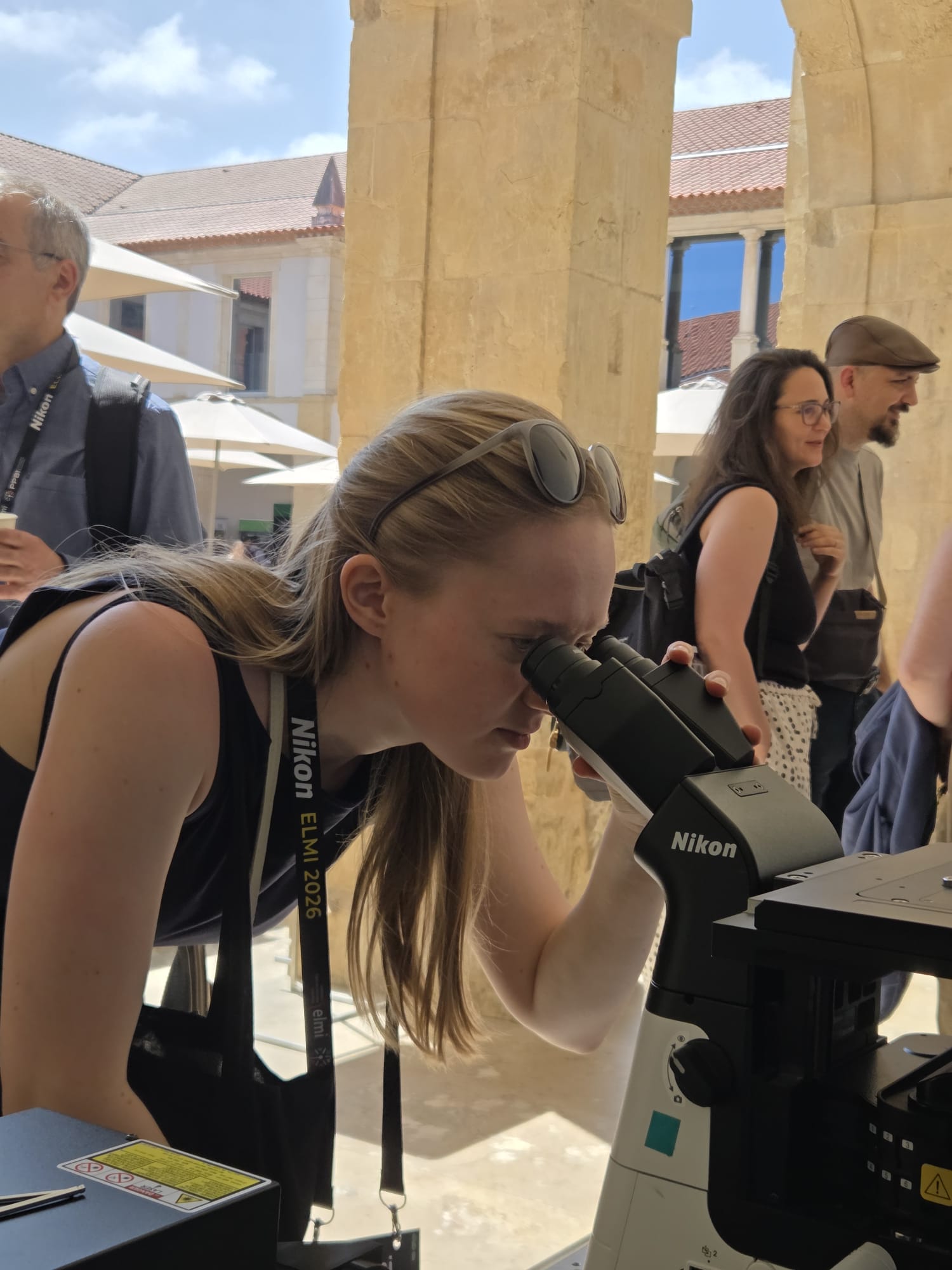
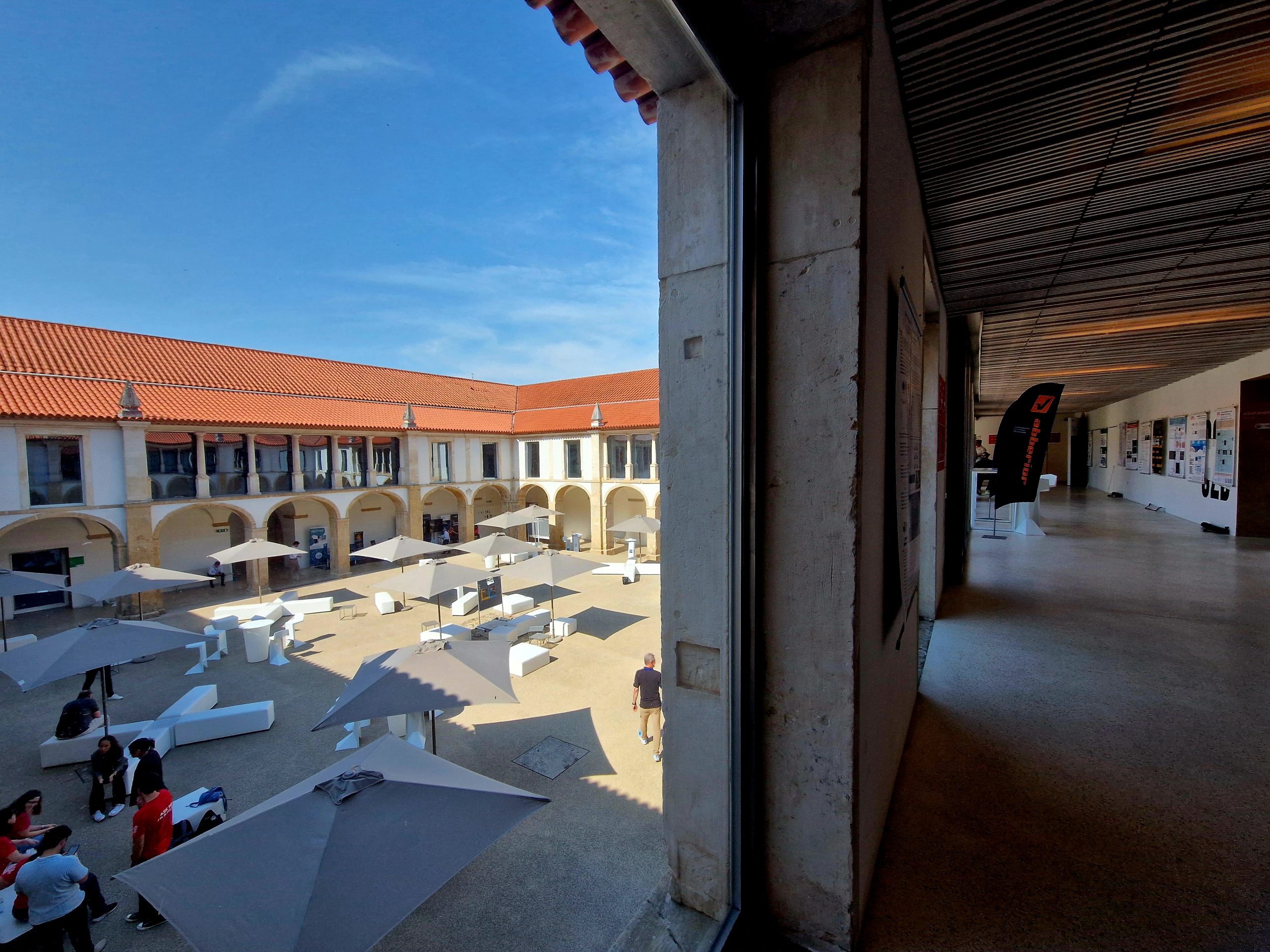
Photos are courtesy of Jiří Černý and Ivan Novotný, IMG LM CF
Czech-BioImaging welcomed Prof. Radomír Pánek, President of the Czech Academy of Sciences (CAS), during his visit to the Institute of Molecular Genetics of the Czech Academy of Sciences (IMG CAS), home to the Czech-BioImaging Hub and two Czech-BioImaging imaging facilities.
The visit was part of the President’s recently launched series of visits to CAS institutes, aimed at strengthening dialogue across the Academy and gaining first-hand insight into the activities and challenges of its research institutions. More information about the initiative is available on the website of the Czech Academy of Sciences: https://www.avcr.cz/cs/veda-a-vyzkum/chemicke-vedy/Radomir-Panek-zahajil-navstevy-pracovist-chce-posilit-jednotnost-Akademie-ved/
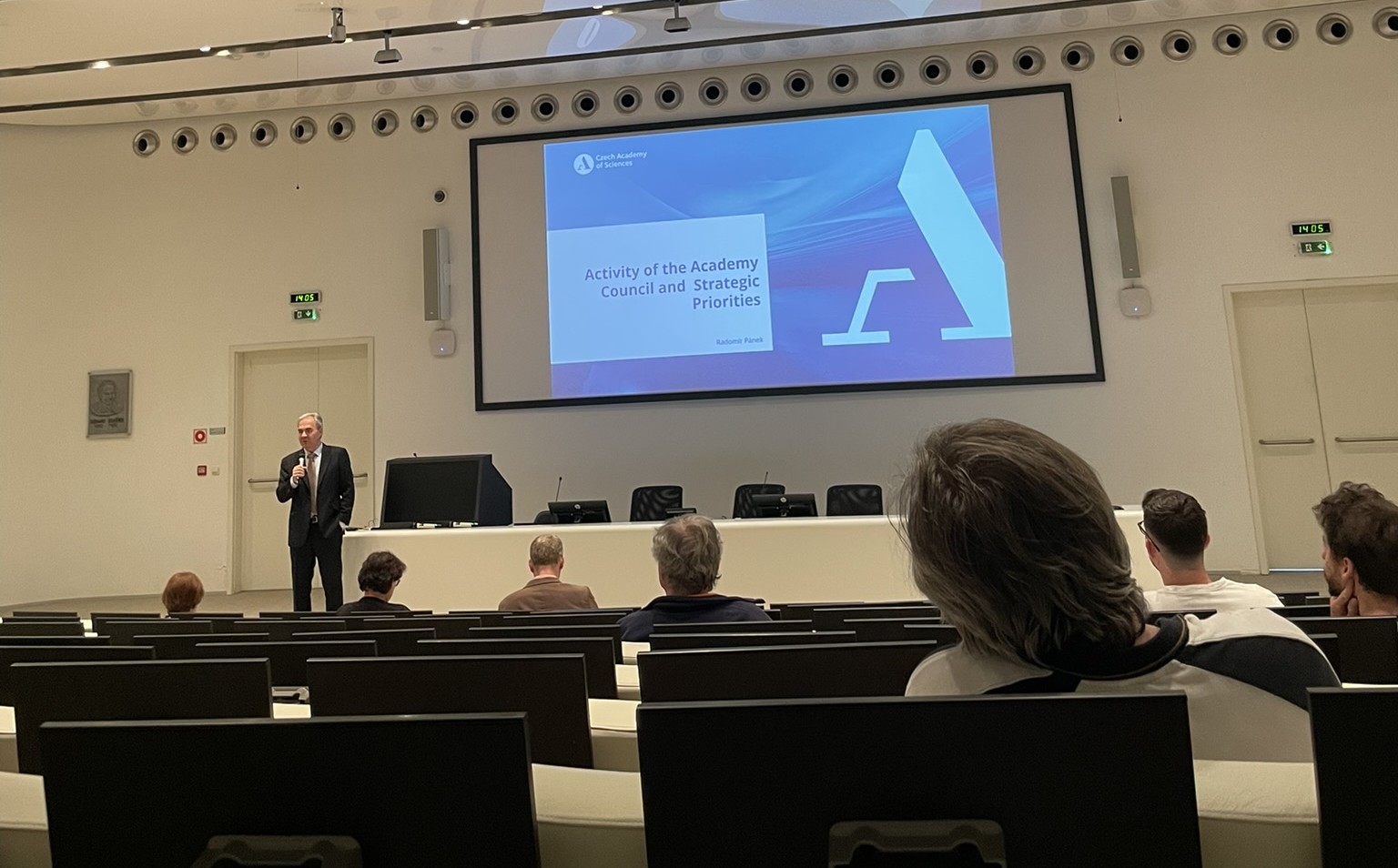
During the visit, Prof. Pánek delivered a lecture entitled Activities of the Academy Council and Strategic Priorities introducing the current priorities of the Academy and discussing topics relevant to the future development of Czech research. After that he met with Czech-BioImaging Director Prof. Pavel Hozák, members of the Czech-BioImaging Hub team, and staff of the Electron Microscopy Core Facility and the Light Microscopy Core Facility, both part of the Czech-BioImaging network.
Representatives of Czech-BioImaging introduced the infrastructure’s nationwide network of imaging facilities, its user community, and the services it provides to researchers from academia and industry. The discussion also highlighted the role of research infrastructures in supporting scientific excellence and technological innovation in the Czech Republic.
As part of the programme, the Electron Microscopy Core Facility presented its unique workflow for solving protein structures from individual intercellular protein crystals, recently described in a Nature Communications publication. The workflow enables sidestepping laborious purification steps and utilization of more accessible cryoEM equipment instead of large scale synchrotron facilities.
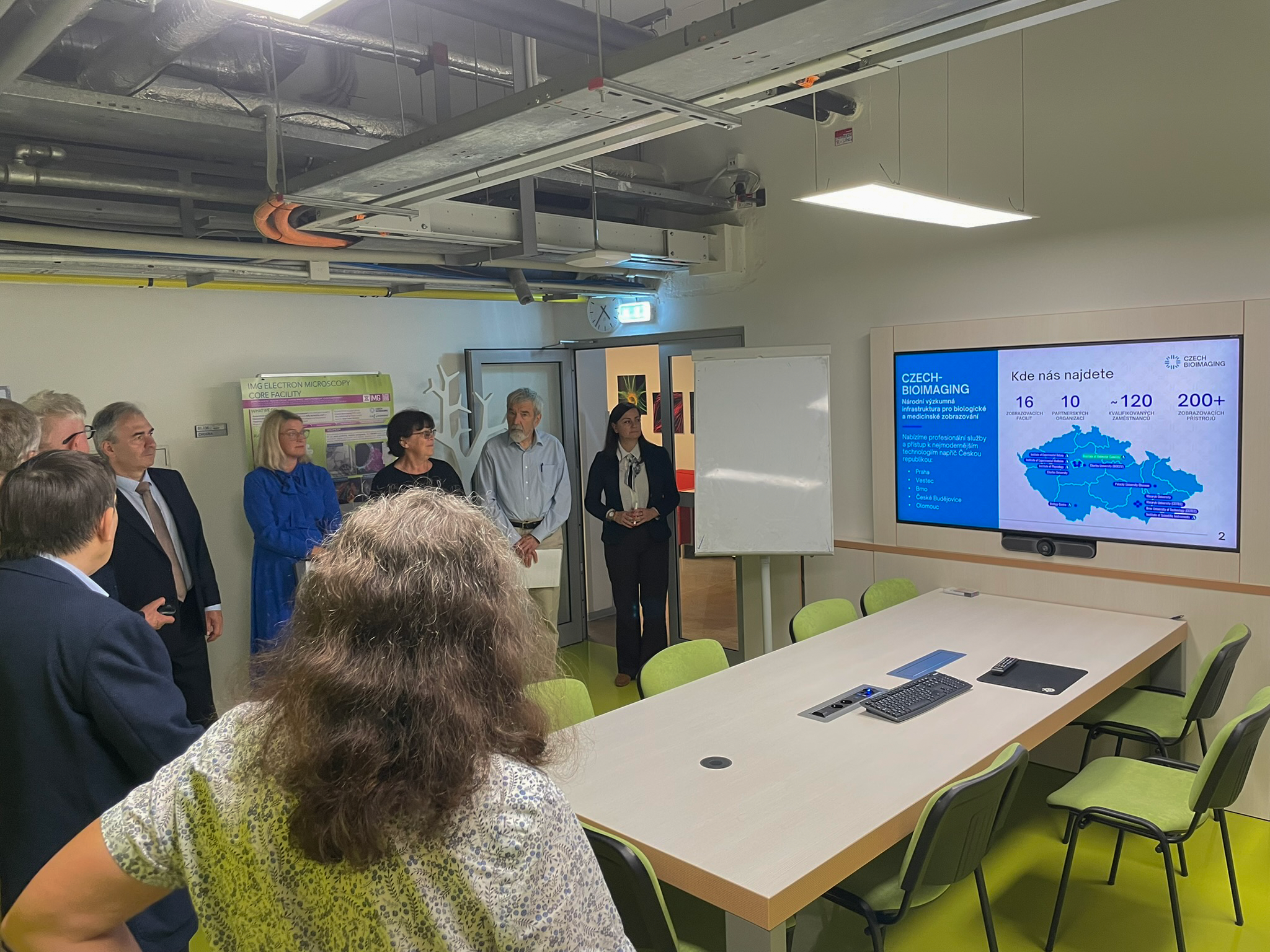
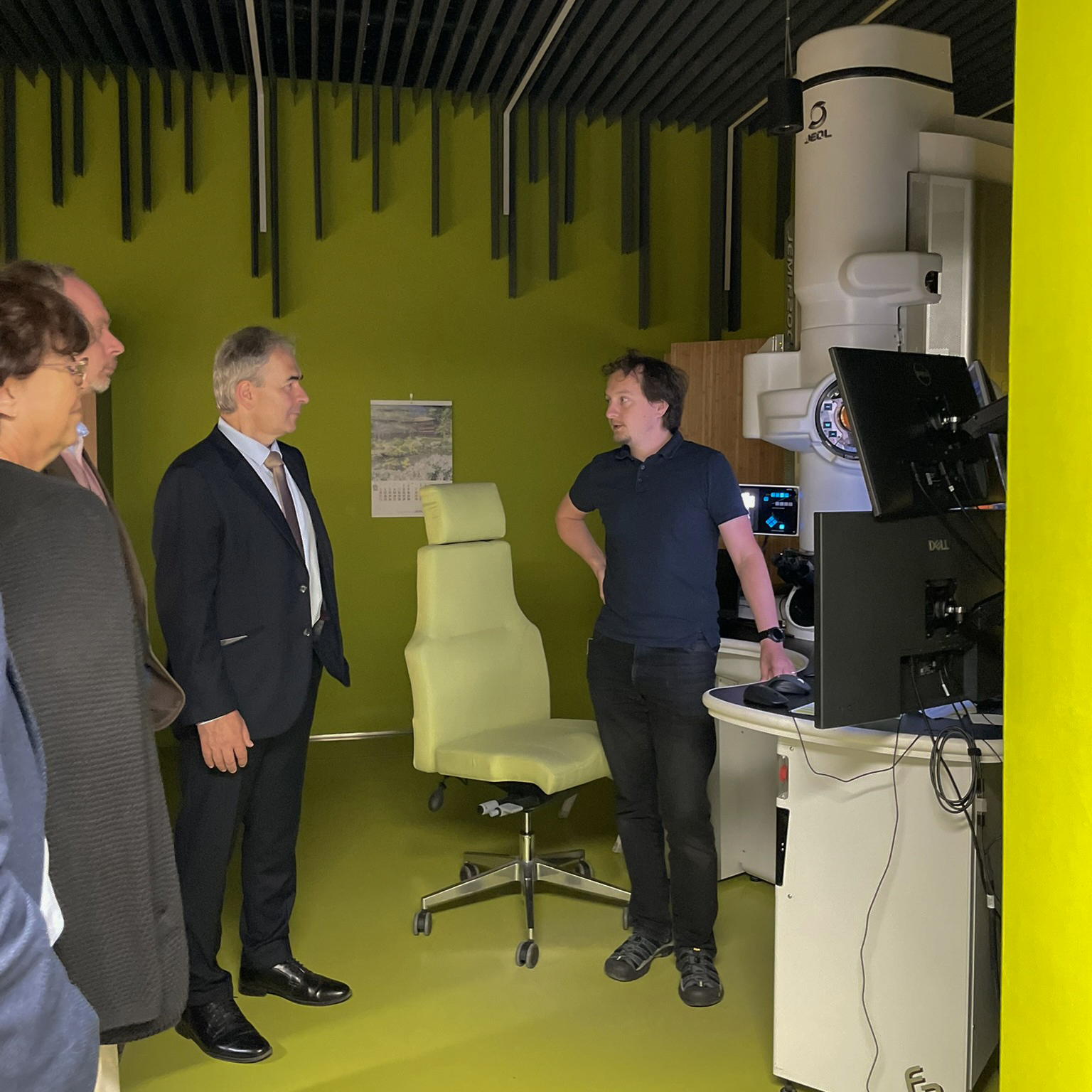
The Light Microscopy Core Facility showcased its portfolio of advanced imaging technologies and introduced the Virtual Desktop Infrastructure (VDI) developed to support image processing and data management. The system provides users with access to high-performance virtual workstations, a dedicated deconvolution server, and both short-term high-speed and long-term storage resources, enabling efficient handling and analysis of increasingly large imaging datasets.
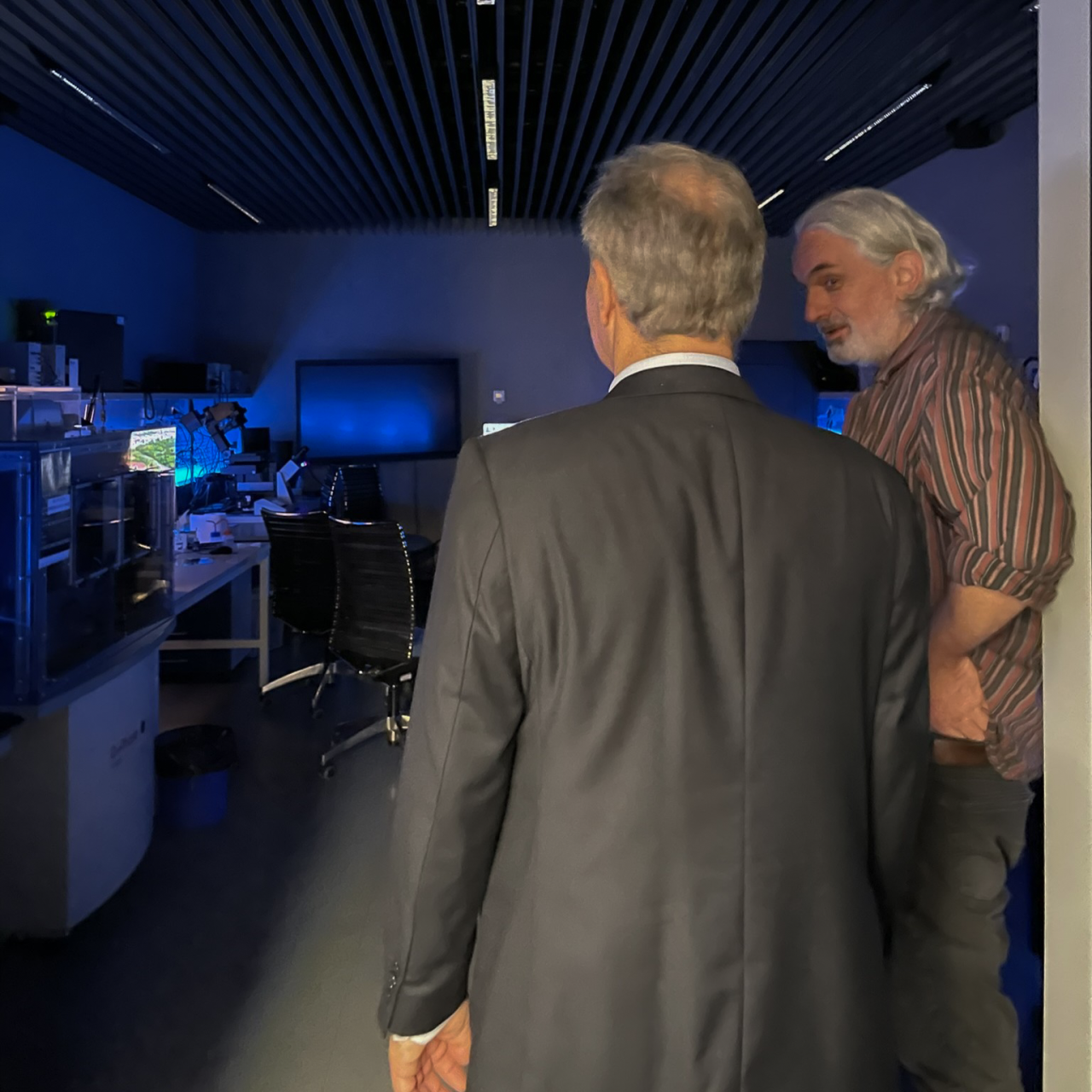
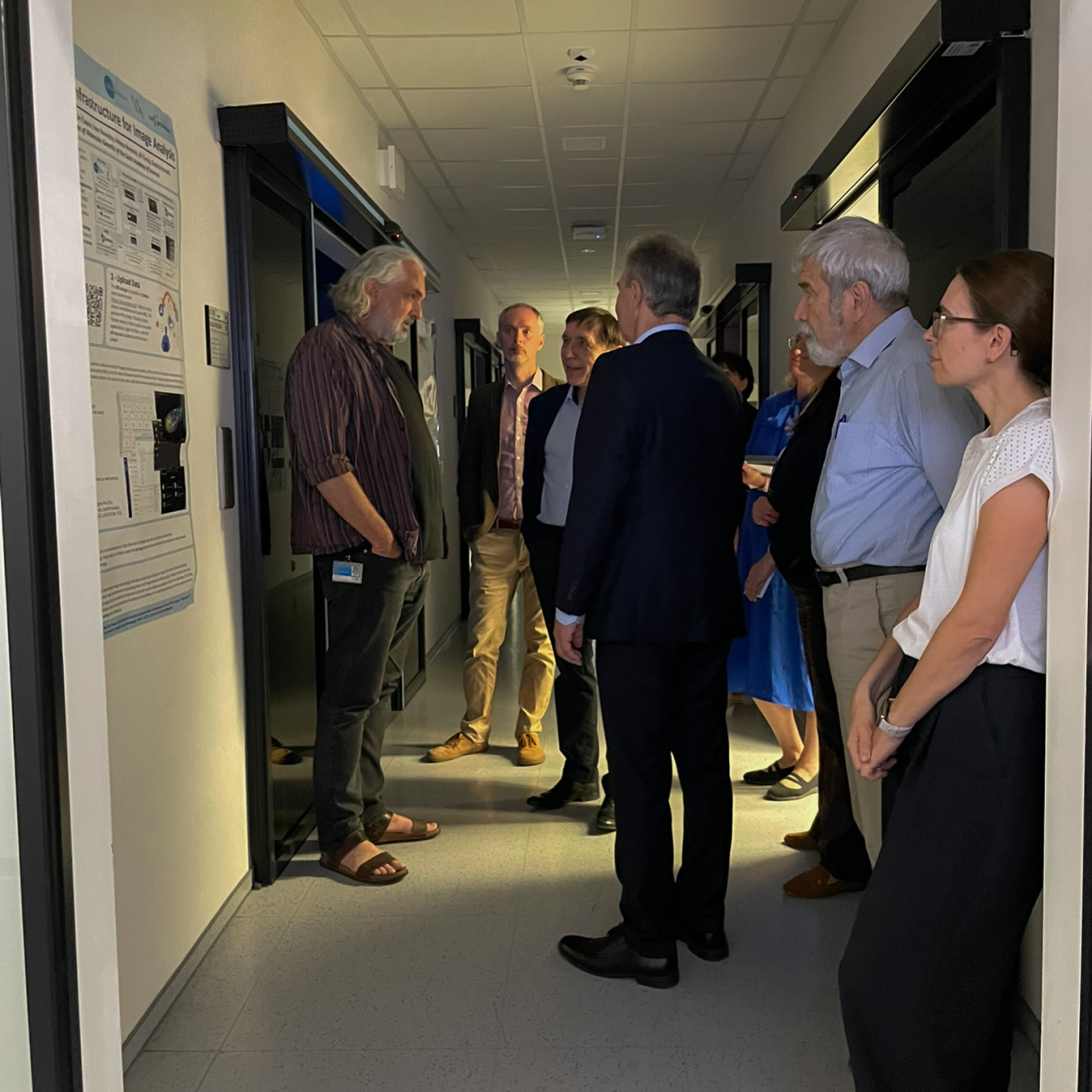
The visit provided an opportunity to demonstrate how Czech-BioImaging supports researchers through access to cutting-edge imaging technologies, expert support, training, and data-processing solutions. We appreciate the opportunity to engage in dialogue with the leadership of the Czech Academy of Sciences and welcome initiatives that foster closer connections across the Czech research community.
The Czech-BioImaging community is deeply saddened by the passing of Professor Ivan Rektor, an internationally respected neurologist, neuroscientist, and pioneer of neuroimaging research. Professor Rektor passed away on 14 June 2026 at the age of 77 after a long illness. Throughout his distinguished career at Masaryk University, St. Anne’s University Hospital, and CEITEC, he made lasting contributions to the fields of epilepsy, movement disorders, cognitive neuroscience, and brain imaging. He also served as Vice-Rector of Masaryk University and was widely recognized as one of the leading figures of Czech and European neuroscience.
For Czech-BioImaging and the wider imaging community, Professor Rektor played an important role as the Czech Republic’s Scientific Delegate for Neuroimaging at Euro-BioImaging ERIC, a position to which he was appointed in 2019. In this role, he helped represent and strengthen the Czech neuroimaging community within the European research infrastructure landscape.
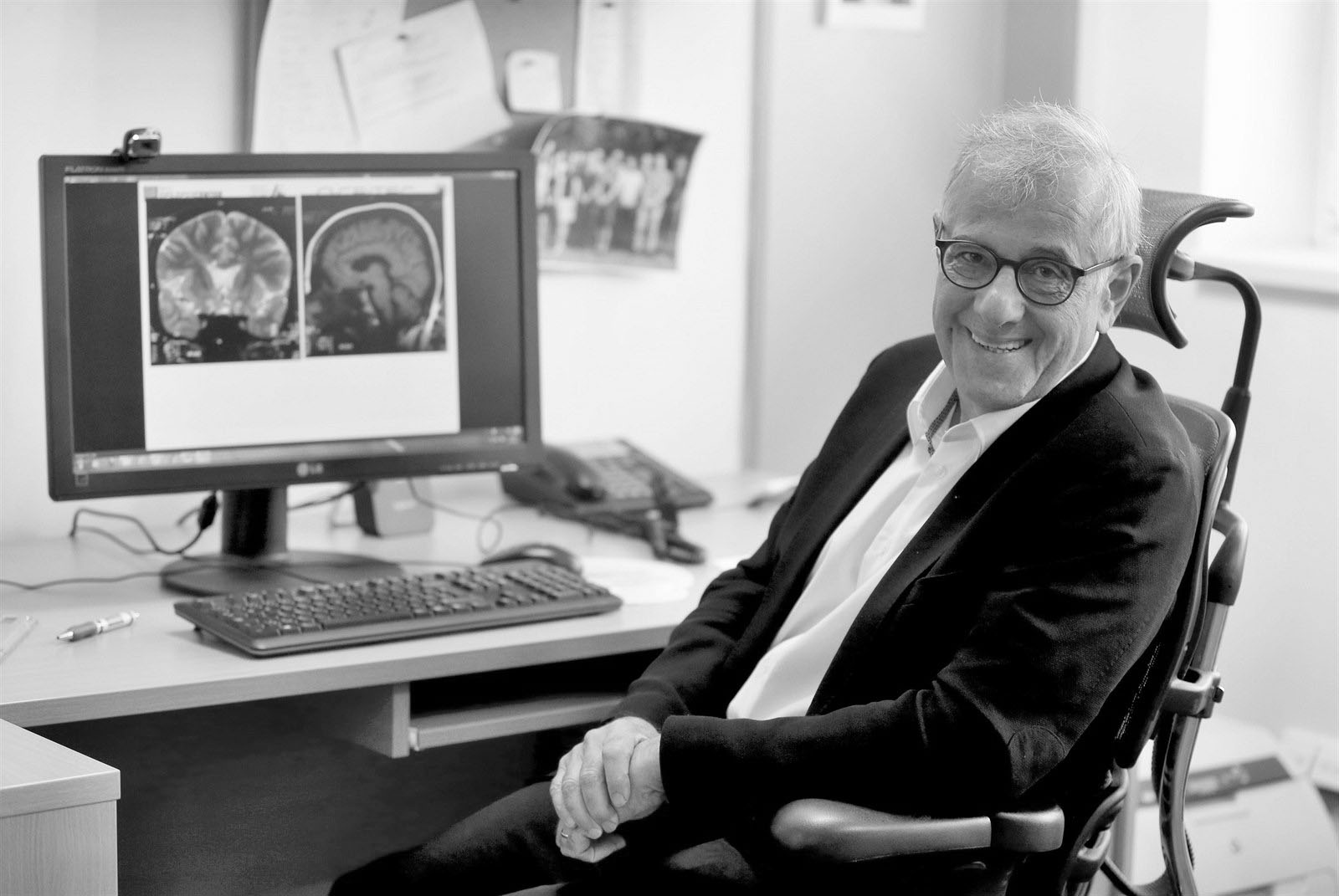
Over the course of his career, Professor Rektor helped establish advanced neurological and neuroimaging methods in the Czech Republic, led internationally recognized research programs, mentored generations of scientists and clinicians, and received numerous distinctions for his scientific achievements and lifelong contribution to neuroscience.
We extend our sincere condolences to his family, colleagues, students, and friends. His scientific legacy and commitment to advancing neuroimaging research will continue to inspire future generations.
Prague, 29 May 2026
The Czech Republic has reaffirmed its position within the leadership of one of Europe’s key research infrastructures. At the 14th meeting of the Euro-BioImaging ERIC Board, Professor Pavel Hozák, Director of the national research infrastructure Czech-BioImaging, was elected Vice-Chair of the Board, the organisation’s highest governing body. Euro-BioImaging ERIC brings together more than 300 state-of-the-art imaging facilities across 40 national nodes in 18 member states, providing researchers with access to cutting-edge technologies for biological and biomedical imaging. The election of a Czech representative to the infrastructure’s leadership confirms the Czech Republic’s significant role in the development of European research infrastructures and biological imaging.
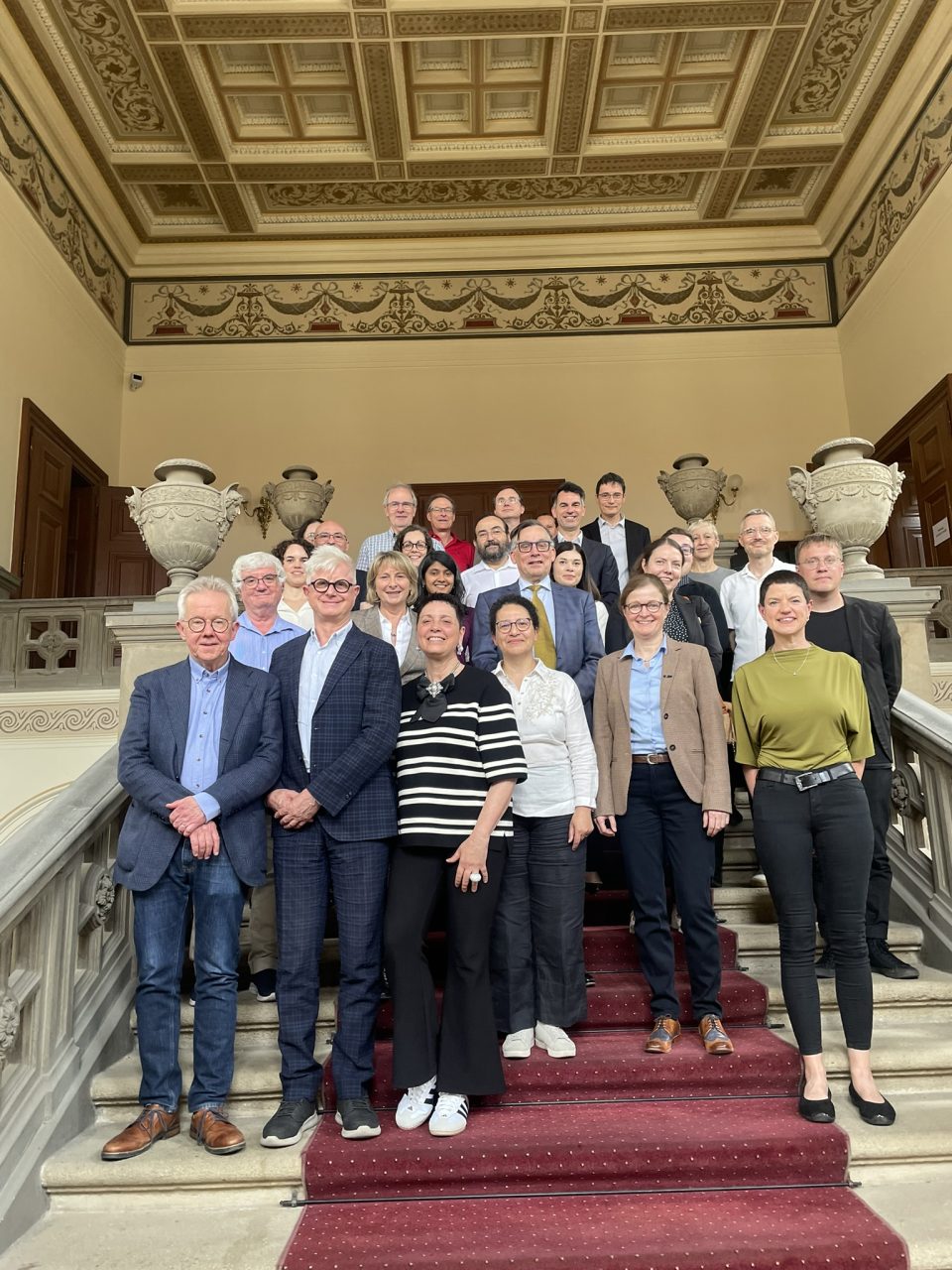
Euro-BioImaging was established to provide scientists, clinicians and industry partners across Europe with access to advanced imaging technologies. Since obtaining ERIC status in 2019, it has developed into one of Europe’s leading infrastructures for biological and biomedical imaging. Today, it connects a network of 40 national nodes in 18 member states and the European Molecular Biology Laboratory (EMBL), and is among the established European research infrastructures included on the ESFRI Roadmap.
Since 2020, Euro-BioImaging has supported more than 1,260 research projects from Europe and beyond, becoming an important component of the European Research Area. In addition to providing access to unique imaging technologies, it offers expert consultancy, training, support in scientific data management, the application of artificial intelligence, and collaboration with industry partners.
“Euro-BioImaging demonstrates that sharing advanced technologies and expertise across Europe delivers results that individual countries would find difficult to achieve independently. I greatly appreciate the trust placed in me by the member states and look forward to contributing to the further enhancement of Euro-BioImaging’s activities, ensuring that the infrastructure continues to support excellent science and innovation through shared access to state-of-the-art imaging methods,” says Pavel Hozák, newly elected Vice-Chair of the Euro-BioImaging ERIC Board.

The Czech Republic participates in Euro-BioImaging through the national research infrastructure Czech-BioImaging, headquartered at the Institute of Molecular Genetics of the Czech Academy of Sciences. Czech-BioImaging brings together 16 leading imaging facilities across the country and provides access to more than 200 specialised instruments for biological and biomedical imaging. More than 1,300 researchers use its services each year.
Czech-BioImaging serves as the Czech national infrastructure for biological and biomedical imaging, while Euro-BioImaging ERIC represents its European counterpart. Membership of this infrastructure enables Czech institutions to participate in international projects, share advanced technologies and provide services to users from abroad. Czech teams also contribute to the development of new methods, training activities and European projects focused on open science and image data management.
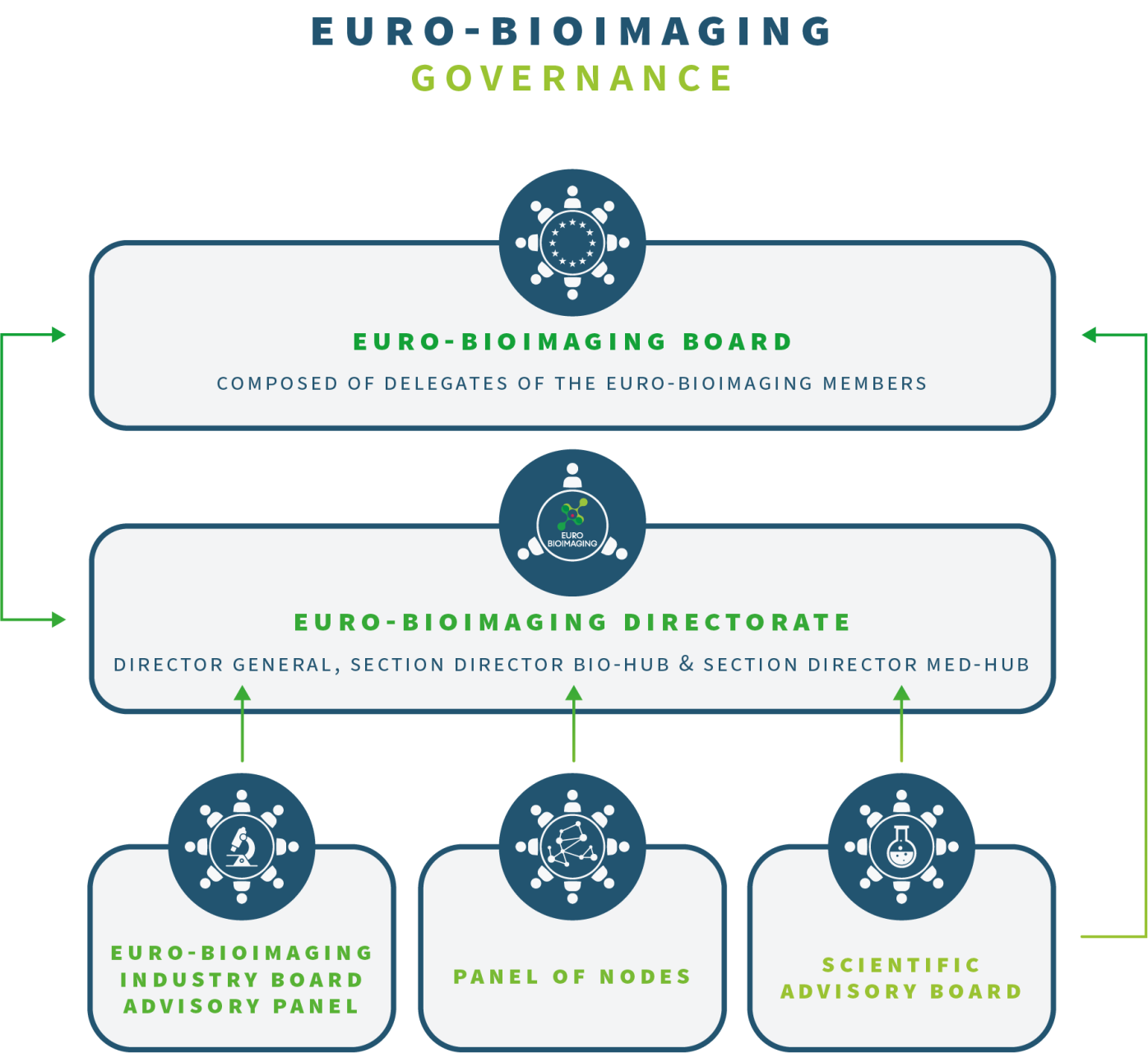
Euro-BioImaging ERIC is managed through a central Hub and two specialised sub-Hubs dedicated to biological and biomedical imaging. This structure coordinates the network of national nodes, service development, training, data management and international collaboration.
The Board is the highest decision-making body of the infrastructure and includes representatives of all member states. Each country holds one vote and delegates both government representatives and experts from the scientific community. The Board therefore combines administrative and scientific perspectives in guiding the infrastructure’s development and determining its strategic direction.
“Euro-BioImaging ERIC is among Europe’s strategic research infrastructures that significantly strengthen the competitiveness of the European Research Area. Professor Hozák’s election to the leadership of the Board reflects the high level of expertise within the Czech scientific community and the long-term contribution of the Czech-BioImaging infrastructure. It provides the Czech Republic with an opportunity to play an active role in shaping the future direction of this important European infrastructure,” says Jan Buriánek of the Czech Ministry of Education, Youth and Sports.
The election of Pavel Hozák as Vice-Chair of the Board represents significant recognition of the long-standing work of the Czech biological imaging community and confirms the Czech Republic’s strong position among European partners in the field of research infrastructures.
The Czech Republic is represented in Euro-BioImaging ERIC by Czech-BioImaging through three national nodes: the Prague Node for Advanced Light and Electron Microscopy, the Brno Multimodal Imaging Node, and the Centre for Advanced Preclinical Imaging in Prague. Czech nodes are an active part of the European network, contributing not only to the provision of services for international users, but also to the development of new methods, training activities and international scientific collaboration.
Read the original article: https://www.eurobioimaging.eu/news/14th-euro-bioimaging-board-meeting/
4 – 6 June 2026
PVA EXPO Prague – Letňany
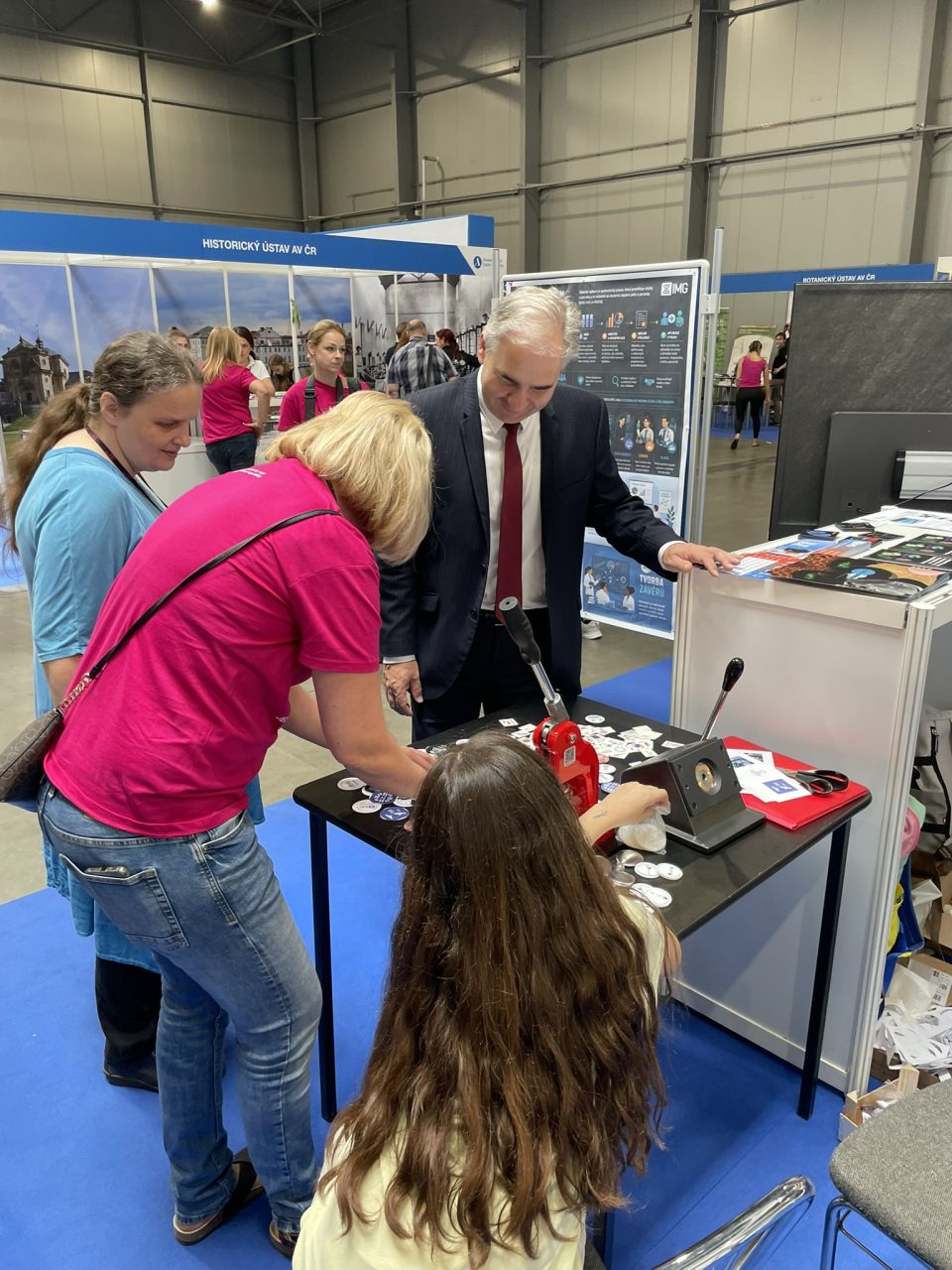
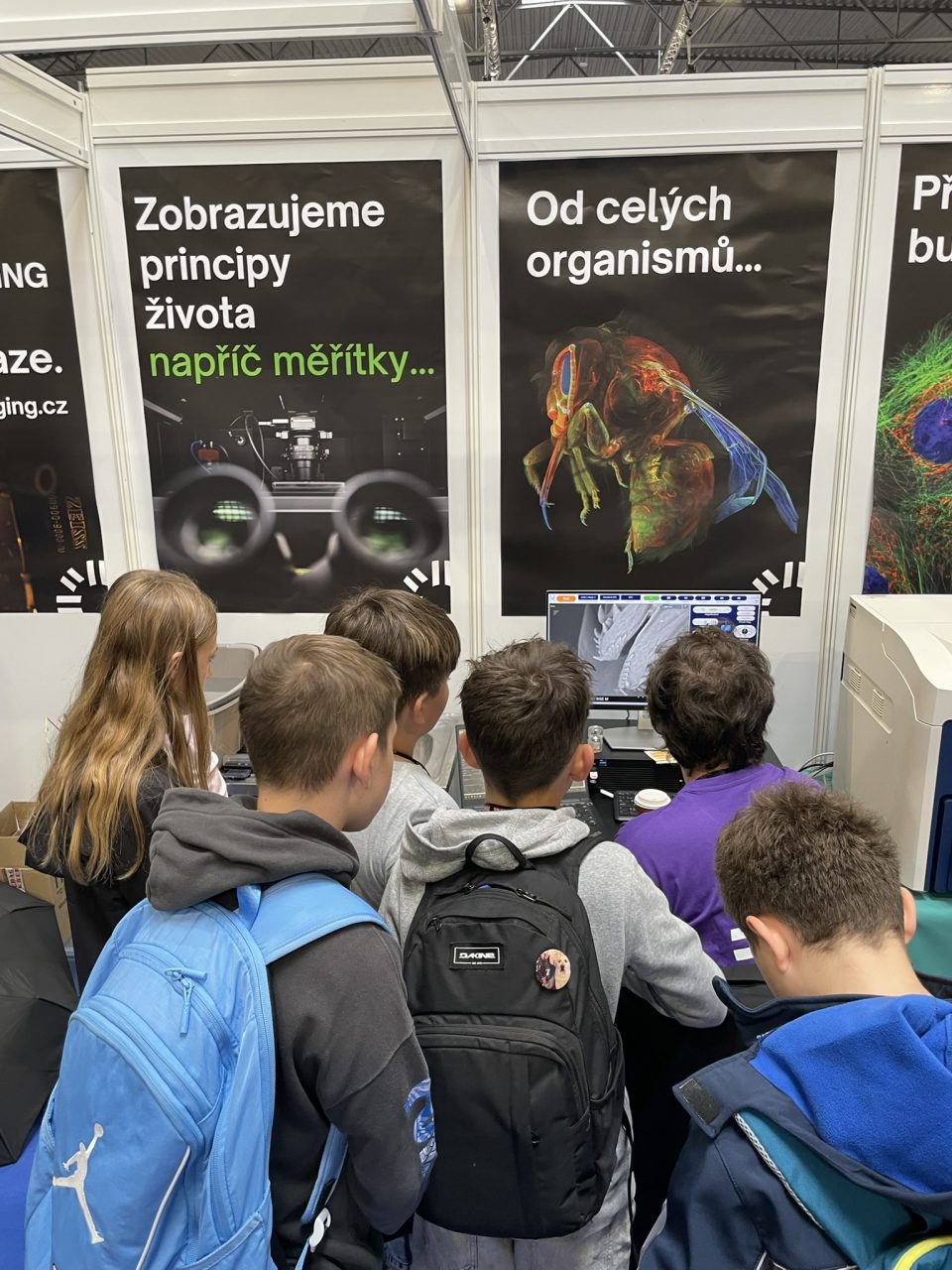
From 4–6 June 2026, Czech-BioImaging participated in Veletrh vědy 2026 (Science Fair 2026), the largest science outreach event in the Czech Republic, organized annually by the Czech Academy of Sciences. Held at PVA EXPO Prague in Letňany, the 10th anniversary edition brought together research institutes, universities, companies, and science enthusiasts for three days dedicated to discovery, experimentation, and dialogue between scientists and the public.
Spanning approximately 8,200 m² across two exhibition halls, the event featured nearly 100 interactive exhibits, science shows, workshops, and demonstrations covering a wide range of scientific disciplines. Designed for visitors of all ages, Veletrh vědy offers a unique opportunity to experience science firsthand and remains one of the most important science communication events in the Czech Republic.

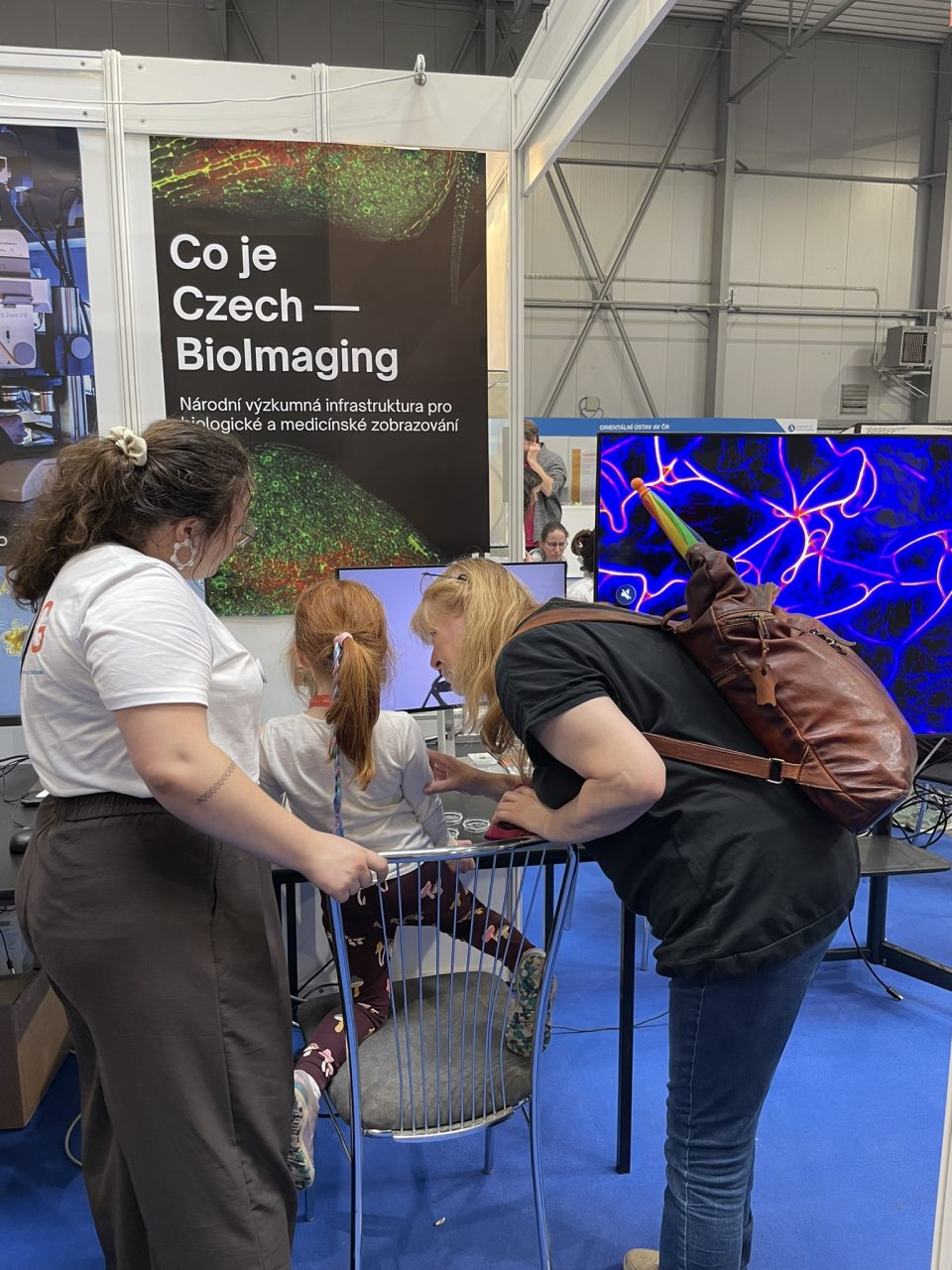
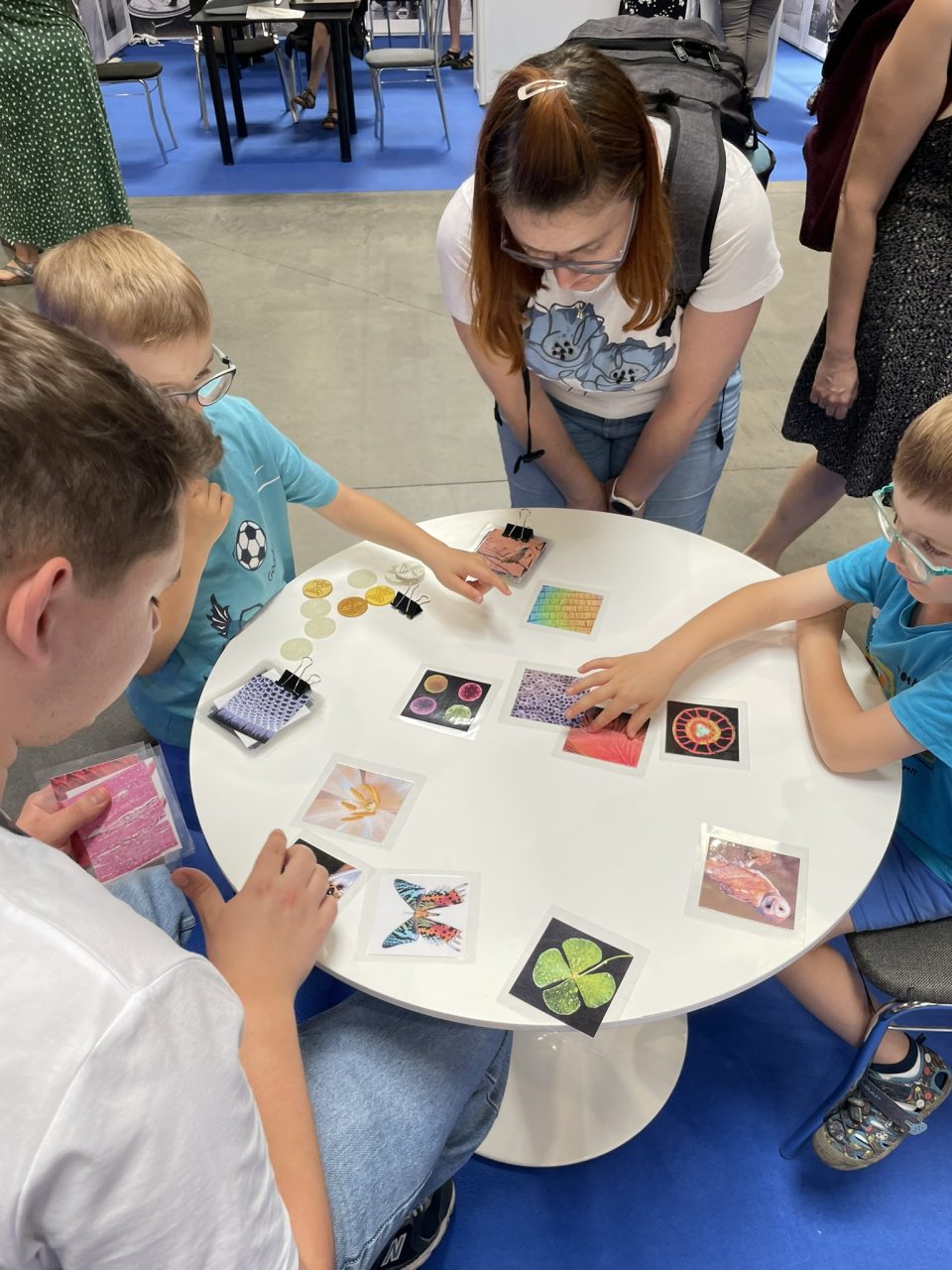
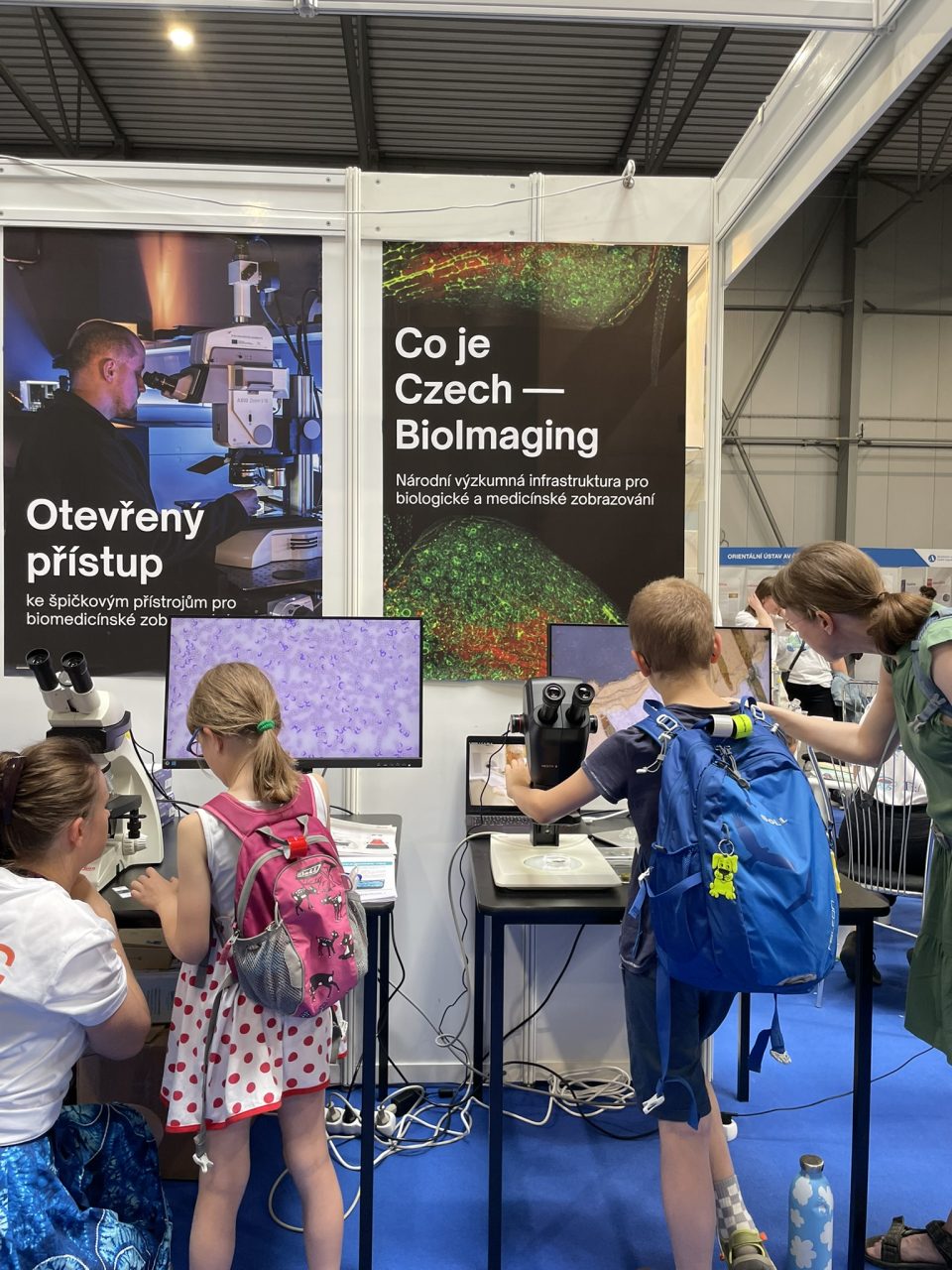
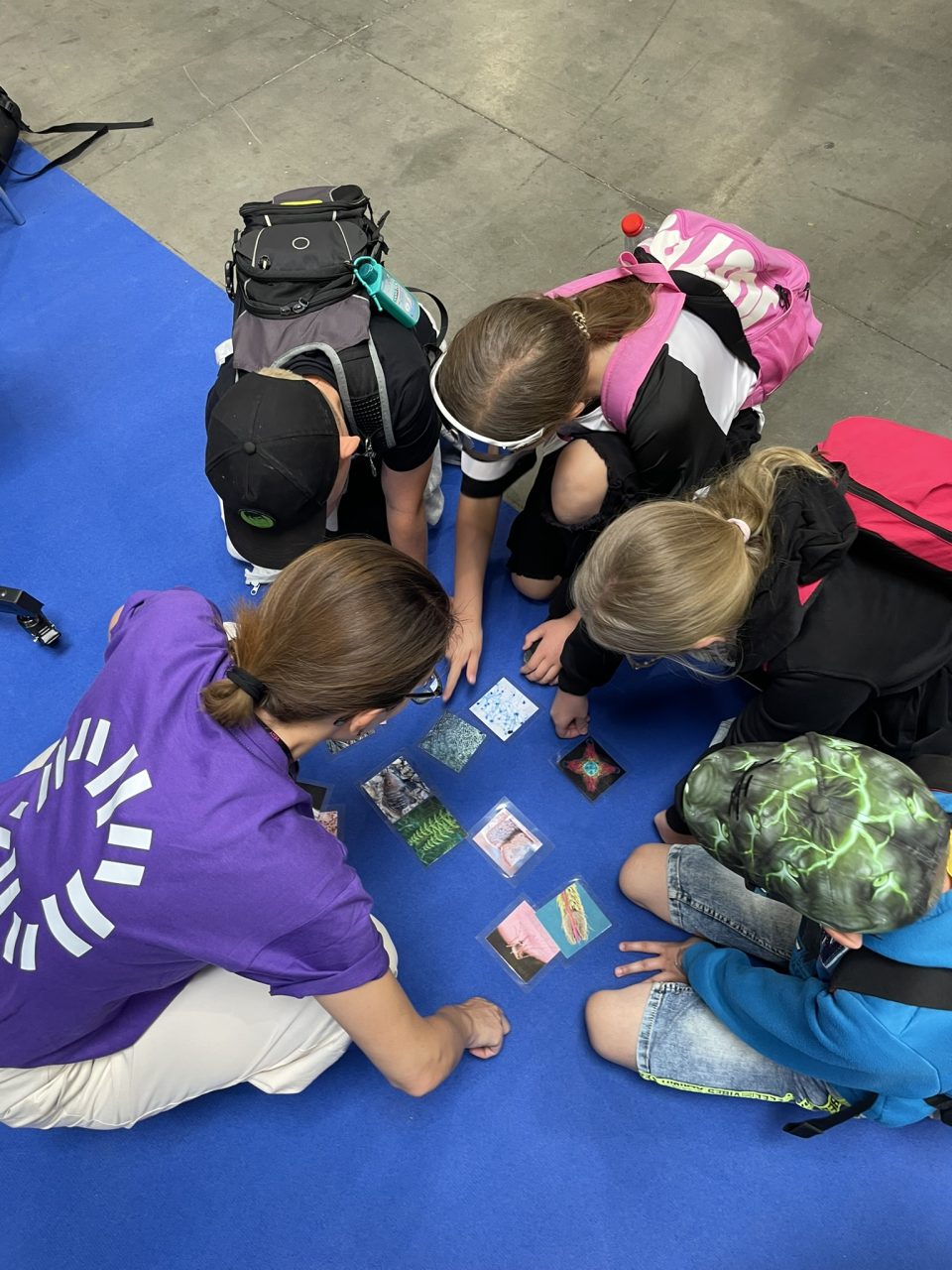
This year, Czech-BioImaging shared an exhibition booth with the national research infrastructure CZ-OPENSCREEN under the umbrella of the Institute of Molecular Genetics of the Czech Academy of Sciences (IMG CAS). Together, we presented the role of research infrastructures in supporting cutting-edge life science research and introduced visitors to the fascinating world of microscopy.
Throughout the event, visitors had the opportunity to explore both fluorescence and electron microscopy through interactive activities designed to make microscopy accessible and engaging. From observing fluorescently labelled samples to discovering the remarkable level of detail revealed by electron microscopes, participants gained insight into the tools scientists use to investigate the microscopic world and answer important biological questions. The activities highlighted how advanced imaging technologies support research across a wide range of life science disciplines.
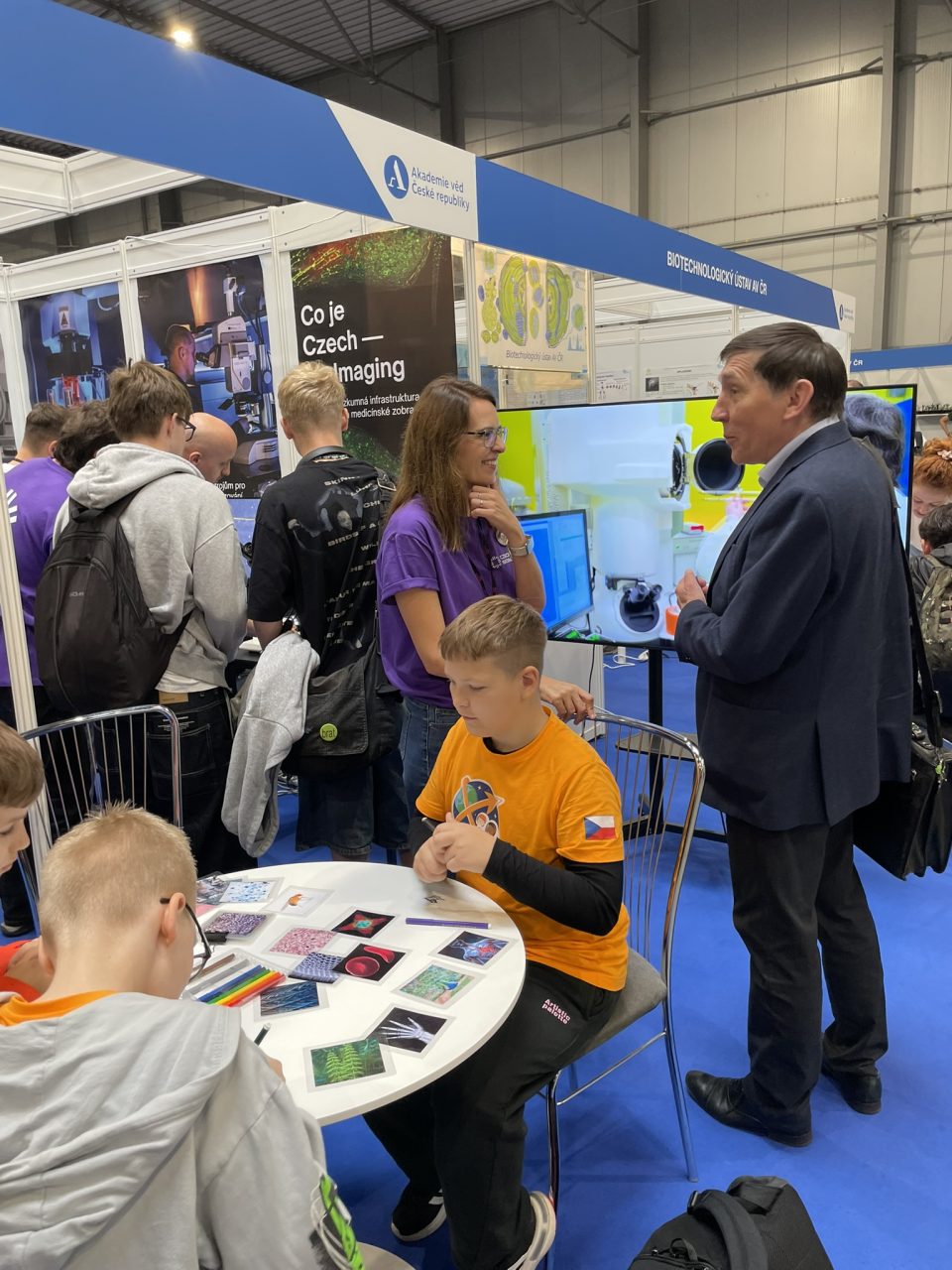
The booth welcomed several distinguished guests, including Senator Jiří Drahoš, President of the Czech Academy of Sciences Radomír Pánek, and IMG Director Petr Dráber, who took the time to learn more about the activities of Czech-BioImaging and CZ-OPENSCREEN and meet the teams behind the infrastructures.
The success of our participation would not have been possible without the dedication of many colleagues. We would like to thank our PhD students, staff members, and colleagues from the IMG LM and IMG EM Core Facilities, whose enthusiasm, expertise, and commitment helped create an engaging and inspiring experience for visitors throughout the three days of the event.
We also extend our sincere thanks to Specion for their technical support and for providing microscopy equipment that enabled visitors to experience microscopy firsthand.
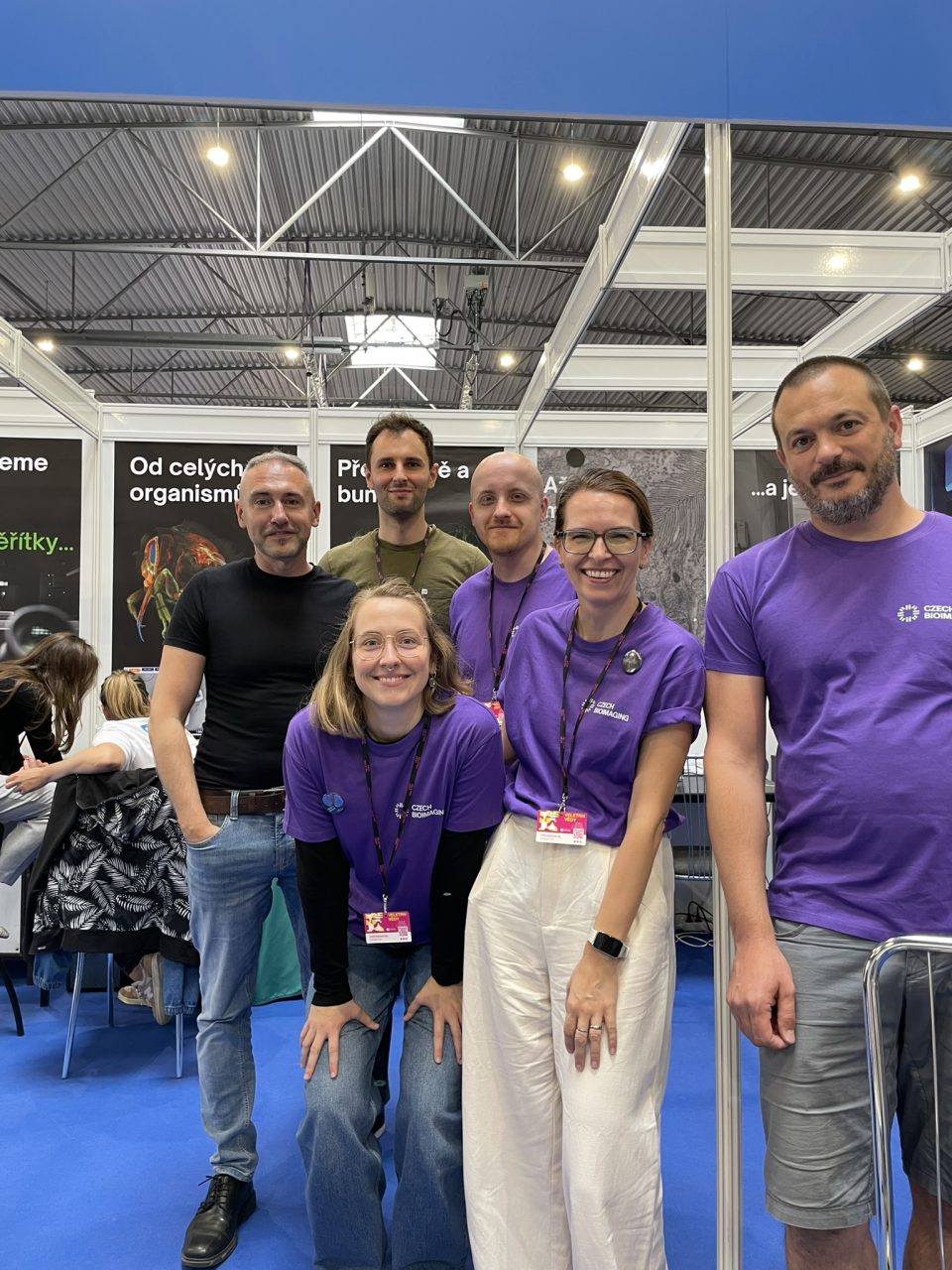
Finally, we would like to thank everyone who visited our booth and shared their curiosity, questions, and enthusiasm for science. Events such as Veletrh vědy play an important role in connecting researchers with the public, promoting scientific literacy, and inspiring the next generation of scientists.
We look forward to participating in future outreach activities and continuing our mission of bringing advanced microscopy closer to researchers, students, and the wider public.
Highlights from Czech-BioImaging’s participation at Veletrh vědy 2026, including microscopy demonstrations, interactive activities for visitors, and visits by distinguished guests.

25 June 2026
Institute of Molecular Genetics, Vídeňská 1083, 142 20, Prague
Dear Users,
we warmly invite you to join us for an afternoon and evening in an unusual setting, away from the dark microscopy rooms. The event will offer discussions not only about microscopy, but also entertainment, good food, and refreshing drinks. Together, we will celebrate another successful year of collaboration and perhaps recharge for the year ahead. The event is organized by the Prague microscopy facilities united within the Czech-BioImaging infrastructure and the Prague Node of Euro-BioImaging ERIC and hosted by the Institute of Molecular Genetics of the Czech Academy of Sciences (IMG).
We kindly ask everyone planning to attend to register in advance. This will help us estimate the required amount of food and drinks. After registering, you will receive a confirmation e-mail, which will also serve as your entry pass to the Krč campus at the main gate.
Deadline: 18 June 2026
Looking forward to seeing you!
Organizing Team









1-4 December 2026
To Be Announced
This comprehensive course is designed specifically for biologists to master cutting-edge image analysis software. It covers both the theory of image processing and its practical applications, focusing on precise and efficient image quantification, segmentation, and visualization techniques. Participants will gain hands-on experience with industry-leading commercial and open-source tools and elevate their data analysis skills to the next level.
The course also introduces the FAIR principles for scientific data and demonstrates effective strategies for data management using the OMERO database.
The course is organised by the Cellular Imaging Core Facility in collaboration with the Faculty of Informatics, Masaryk University.

8-11 September 2026
CEITEC MU, University Campus, Building C02, CELLIM CF, Brno
The Advanced Light Microscopy Methods is an advanced course for students, postdocs, technicians, and other laboratory staff in biology and biomedical science who require specialised microscopy methods for their experiments. The course consists of theoretical lectures (25%) and practical hands-on sessions on selected microscopes (50%) and image processing software (25%).
Overall, this course provides an overview of core principles behind super-resolution, FLIM-FRET and mesoscopic imaging methods, together with corresponding essential image processing steps. Participants will learn theoretical principles behind large sample imaging, super-resolution methods like Airyscan, Optical Reassignment, Structured Illumination and Single Molecule Localisation, as well as Fluorescence Lifetime and Förster Resonance Energy Transfer Microscopy.
A dedicated practical session will demonstrate the learned principles directly on real microscope acquisitions. Participants will gain skills needed to operate selected microscopes and experience how to setup advanced experimental workflow, and perform the most common troubleshooting.
The workshop concludes with an overview of related workflows in image processing and analysis utilising related software (ZEN, LAS X). Finally, the participants will receive comprehensive guidelines for advanced analysis and image visualisation in Imaris.
Practical training will be conducted on the following systems:
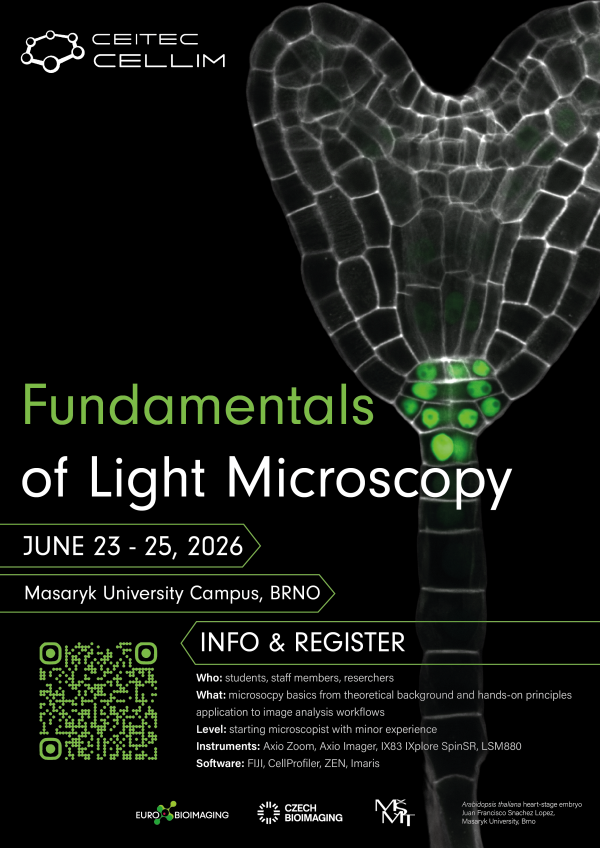
23-25 June 2026
CEITEC MU, University Campus, Building C02, CELLIM CF, Brno
The Fundamentals of Light Microscopy is a basic course for students, postdocs, technicians, and other laboratory staff in biology and biomedical science who require widefield and/or confocal microscopy for their experiments. The course consists of theoretical lectures (50%) and practical hands-on session on selected microscopes and software (50%).
Overall, this course provides an introduction to the fundamentals of light microscopy, with a focus on understanding how images are formed and how acquisition choices affect resolution, contrast, and quantitative image quality. Participants will learn core principles including diffraction and the point spread function, numerical aperture and refractive index effects, sampling and digitization, detector characteristics and noise, and the conceptual differences between major imaging modalities such as widefield, confocal, super-resolution and light sheet microscopy.
A dedicated practical session will demonstrate the learned principles directly on real microscope acquisitions. Participants will gain skills needed to operate selected microscopes and experience how changing parameters influences contrast, optical sectioning, signal-to-noise ratio, and artifacts.
Finally, the workshop concludes with an introduction to basic workflows in image processing and analysis, including foundational steps for viewing, correcting, and preparing microscopy datasets for downstream quantification using open-source and commercial tools (FIJI/ImageJ, CellProfiler, ZEN, Imaris).
23 – 25 June 2026
Czech Republic, Portugal, Sweden, UK
Průmyslová 595, 252 50 Vestec, Czech Republic
This course is jointly organised by four Euro-BioImaging Nodes and will be run at four connected training centres that are part of Euro-BioImaging:
This course is organised under the EVOLVE project (Grant agreement N° 101130986) as part of Euro-BioImaging’ effort in increasing the adoption of hybrid training thus combining the advantages of remote and in-person training.
This distributed course will be held in person at the four locations and the four local training hubs will be remotely connected and jointly going through the training programme provided each day by one of the sites.
This means that students can enjoy the advantages of small in-person training – connecting with their fellow students and direct support from their trainers – as well as being connected on an international level and benefit from the training and image analysis expertise at all the training centres.
The course is designed for life science researchers with some Image Analysis experience who want to push their analysis capabilities to the next level by using Python and Jupyter Notebooks, as well as implementing and applying analysis tools developed by the community for their image analysis challenges.
Financial support to cover travel and accommodation (Max. 500 EUR per person) is available upon request and for a limited number of participants.
Registration is open until April 15th, and local travel grants are available here.




The BioImaging Facility at the Institute of Physiology of the Czech Academy of Sciences (IPHYS) has recently expanded its technological portfolio with a new Brillouin microscopy system. The acquisition was made possible through the OP JAK project funded by the Ministry of Education, Youth and Sports of the Czech Republic (MEYS) and represents a strategic investment into progressive technologies that were previously not available in open access within Czech-BioImaging or elsewhere in Czechia. As part of the national infrastructure Czech-BioImaging and the Euro-BioImaging Advanced Light and Electron Microscopy Prague Node, the facility now offers Brillouin microscopy in open access to the scientific community.
Šimon Vrana, Imaging Specialist at IPHYS BioImaging Facility supports users in applying advanced biophysical imaging methods to their research questions: “I am specialized in Atomic Force Microscopy, Brillouin and other biophysical methodologies. My role in the facility is to support our users with different imaging approaches to address scientific questions in this field of biomechanics.”

Brillouin microscopy is an emerging optical modality that enables non-contact, label-free mapping of mechanical properties in biological samples. The technique measures the interaction between laser light and thermally driven acoustic waves within a sample, providing information about its internal mechanical characteristics.
By extracting parameters such as the longitudinal elastic modulus and viscoelastic behavior, researchers can investigate how stiffness and mechanical heterogeneity influence biological systems. This is particularly relevant because changes in mechanical properties are often associated with development, differentiation, and disease.
Although Brillouin microscopy has been widely used in cell and tissue research, the first users of the new system at IPHYS are working in plant biology. Current projects include measurements on Physcomitrella moss provided by Imaging Facility Institute of Experimental Botany of the Czech Academy of Sciences, comparing genetically modified lines with wild-type counterparts.
The system is suitable for a broad spectrum of samples:
In general, any sample compatible with confocal microscopy can be investigated, provided it is sufficiently transparent and preferably adherent.
The facility invested in a commercial Brillouin microscope (Discoverer, CellSense) to ensure reliability, robustness, and accessibility for users. Unlike many custom-built systems, the commercial platform enables streamlined operation and faster onboarding.
“We want to offer Brillouin Microscopy as a service, and the CellSense system is very reliable and user-friendly. After a short training and some troubleshooting, users should be able to measure samples themselves.”
This strategic choice allows Czech-BioImaging to provide sustainable open access to technology without the need for extensive in-house development and maintenance.
A key advantage of the IPHYS setup is its integration of Brillouin microscopy with spinning disk fluorescence microscopy, including the Yokogawa SoRa super-resolution system. This multimodal configuration enables researchers to correlate mechanical mapping with high-resolution fluorescence imaging.
In practice, this means that users can:
“Users can examine a cell sample stained with fluorescent dyes, identify a protein of interest, and then shift to Brillouin microscopy to measure local viscoelastic properties without dyes or mechanical probes.”
Beyond Brillouin imaging, the facility provides access to confocal and multiphoton microscopy, FLIM, PLIM, light-sheet imaging, and mechanical testing approaches such as AFM and compression, biaxial tensile testing—allowing comprehensive multimodal experimental design.
The facility primarily supports projects where biomechanics plays a central role in the biological question. Researchers can investigate:
By integrating Brillouin microscopy into broader imaging workflows, scientists can better understand how physical properties shape biological function.
As part of Czech-BioImaging, the IPHYS BioImaging Facility operates under a 100% open-access policy and provides comprehensive user support.
Services include:
While commercial software provides basic Brillouin data processing, the facility also supports advanced workflows using third-party tools such as Fiji and develops customized solutions in C++, C#, or Python when required.
With the introduction of Brillouin microscopy, Czech-BioImaging strengthens its position within Euro-BioImaging ERIC.
The combination of:
makes the IPHYS BioImaging Facility a unique access point for researchers interested in biomechanics-driven biological questions in Czechia and Europe.
Next Page »« Previous Page