
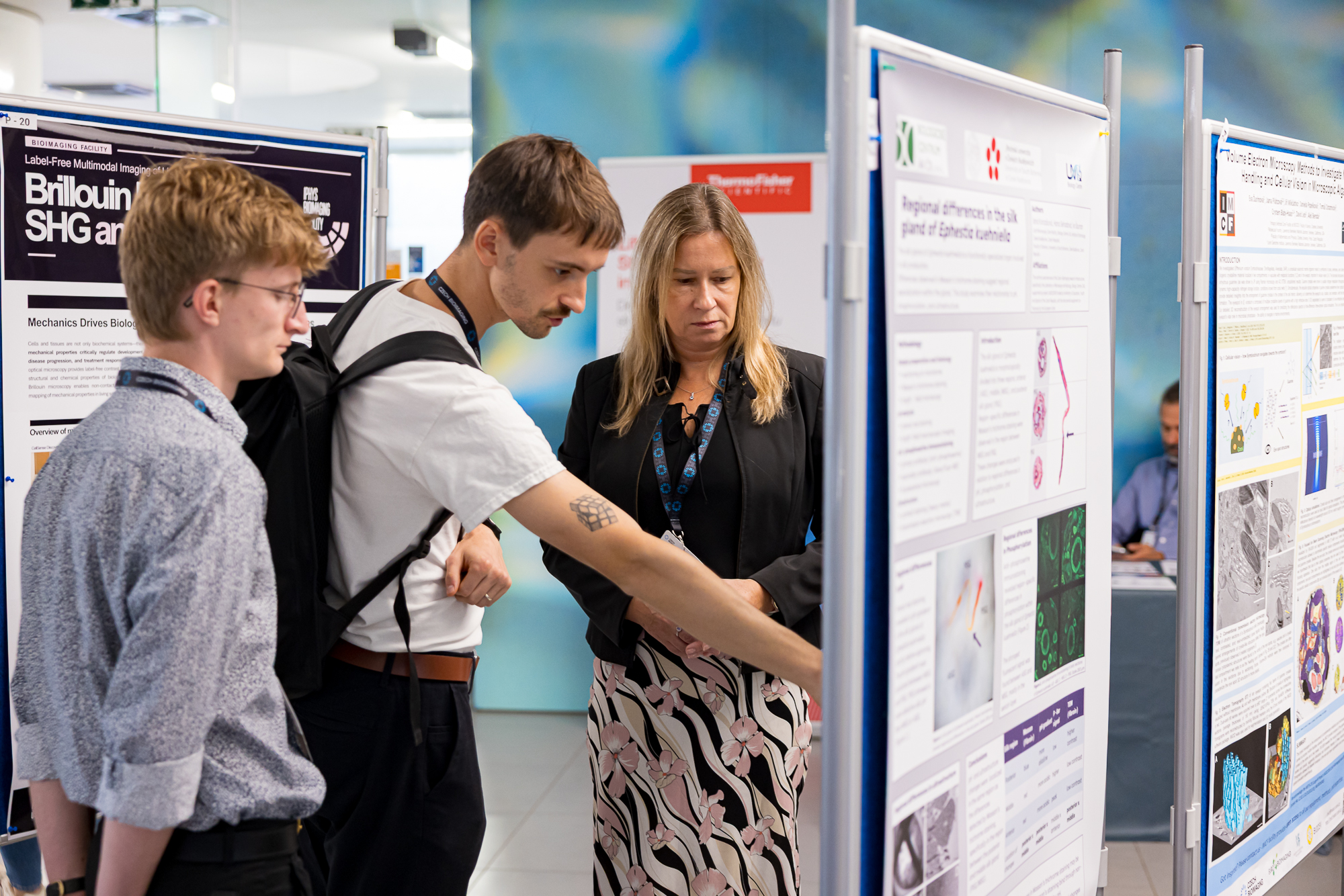
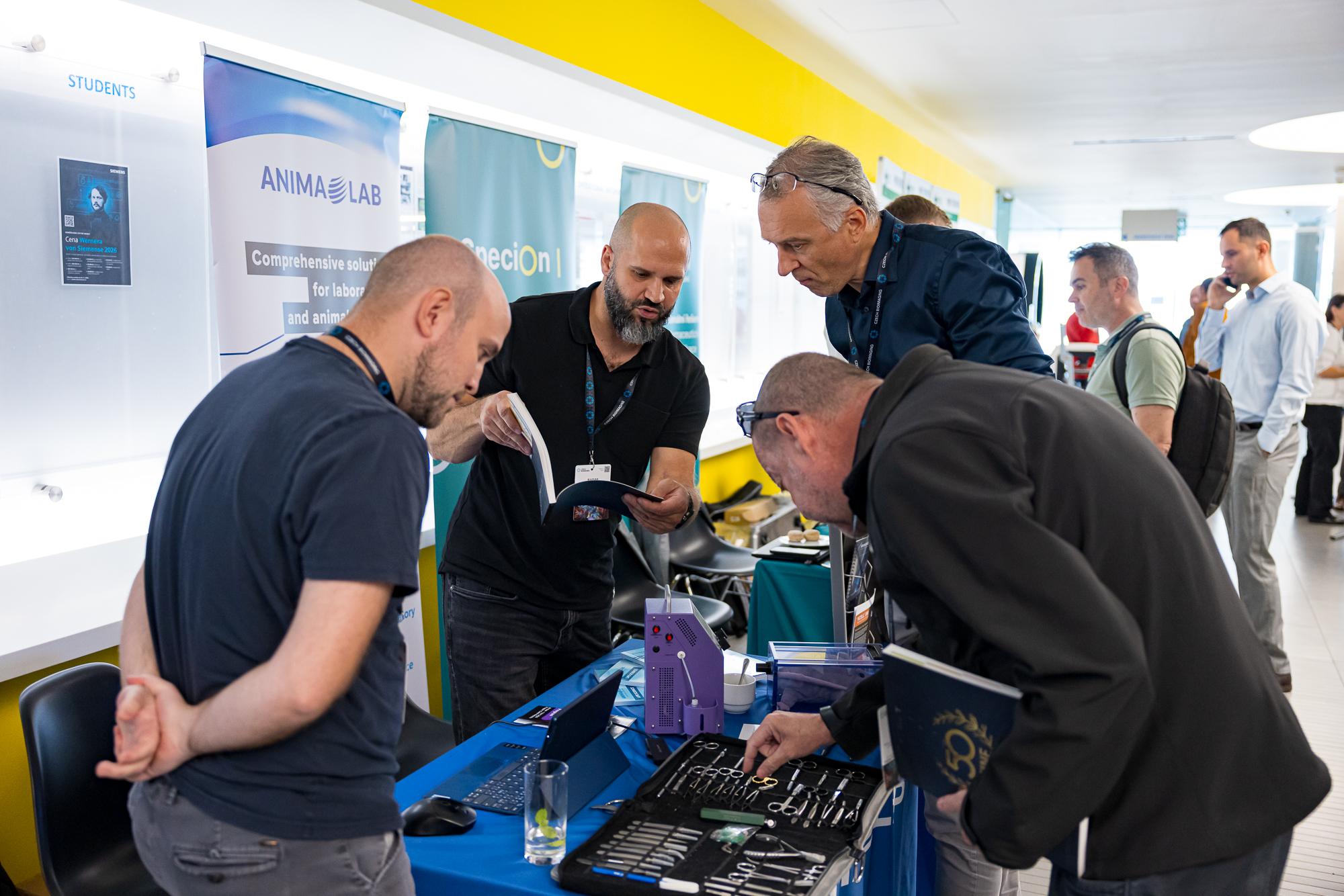
On 30 September and 1 October 2026, the Czech-BioImaging community came together at the Institute of Molecular Genetics of the Czech Academy of Sciences in Prague for Imaging Principles of Life 2026, our annual scientific conference. Over two days, the programme brought together researchers, imaging specialists, Core Facility staff and industry partners to share new developments, research results and expertise across the field of biological and medical imaging.
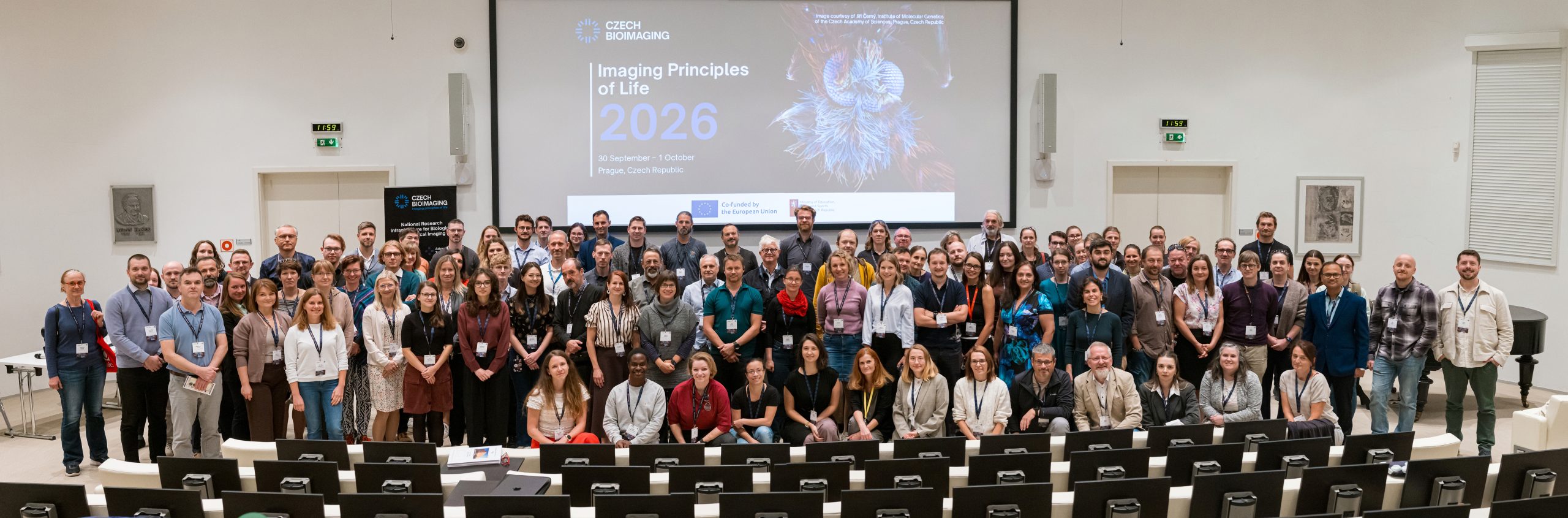
The scientific programme covered imaging across scales and modalities – from bioimage analysis and super-resolution light microscopy to electron microscopy, multimodal and correlative approaches, and medical imaging. Alongside presentations from Czech-BioImaging users and Core Facilities, we were delighted to welcome four invited speakers: Jean-Yves Tinevez from Institut Pasteur, Marta Carroni from Stockholm University, Christian Franke from Friedrich Schiller University Jena, and Martin Krššák from the Medical University of Vienna.
One of the highlights of this year’s programme was a new hybrid presentation format, designed to put the collaboration between researchers and Czech-BioImaging Core Facilities in the spotlight. Each presentation brought together a researcher and a Core Facility representative, combining the scientific perspective of the user with insight into the imaging technologies, expertise and support provided by the facility. The format offered a practical look at how research questions are translated into imaging approaches and how close collaboration with Core Facilities contributes to successful research projects.
The new format proved to be a successful addition to the conference programme, providing space to showcase not only scientific results but also the expertise and collaboration behind them. Based on the positive experience this year, hybrid user–Core Facility presentations will remain part of the programme at future Imaging Principles of Life meetings.
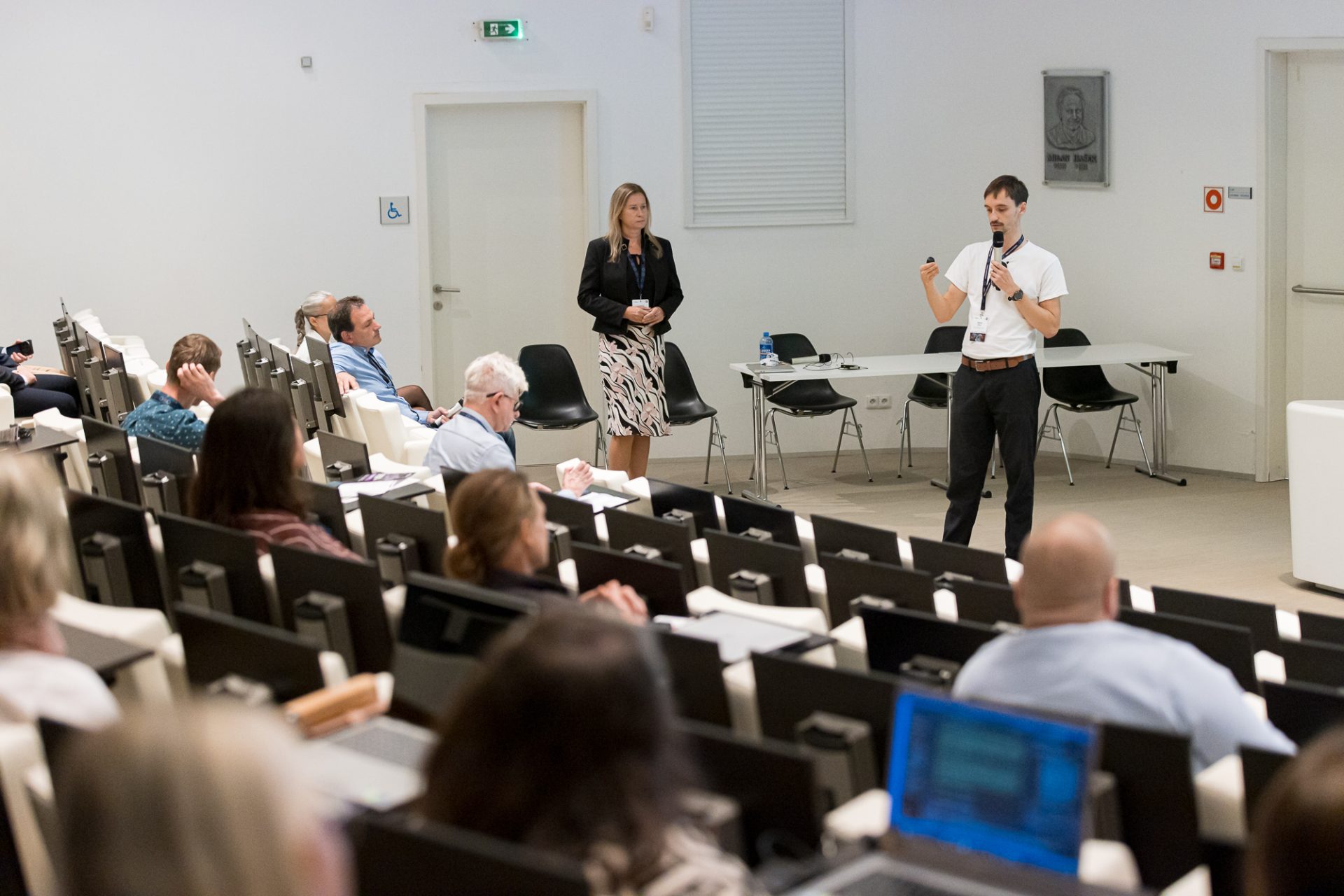
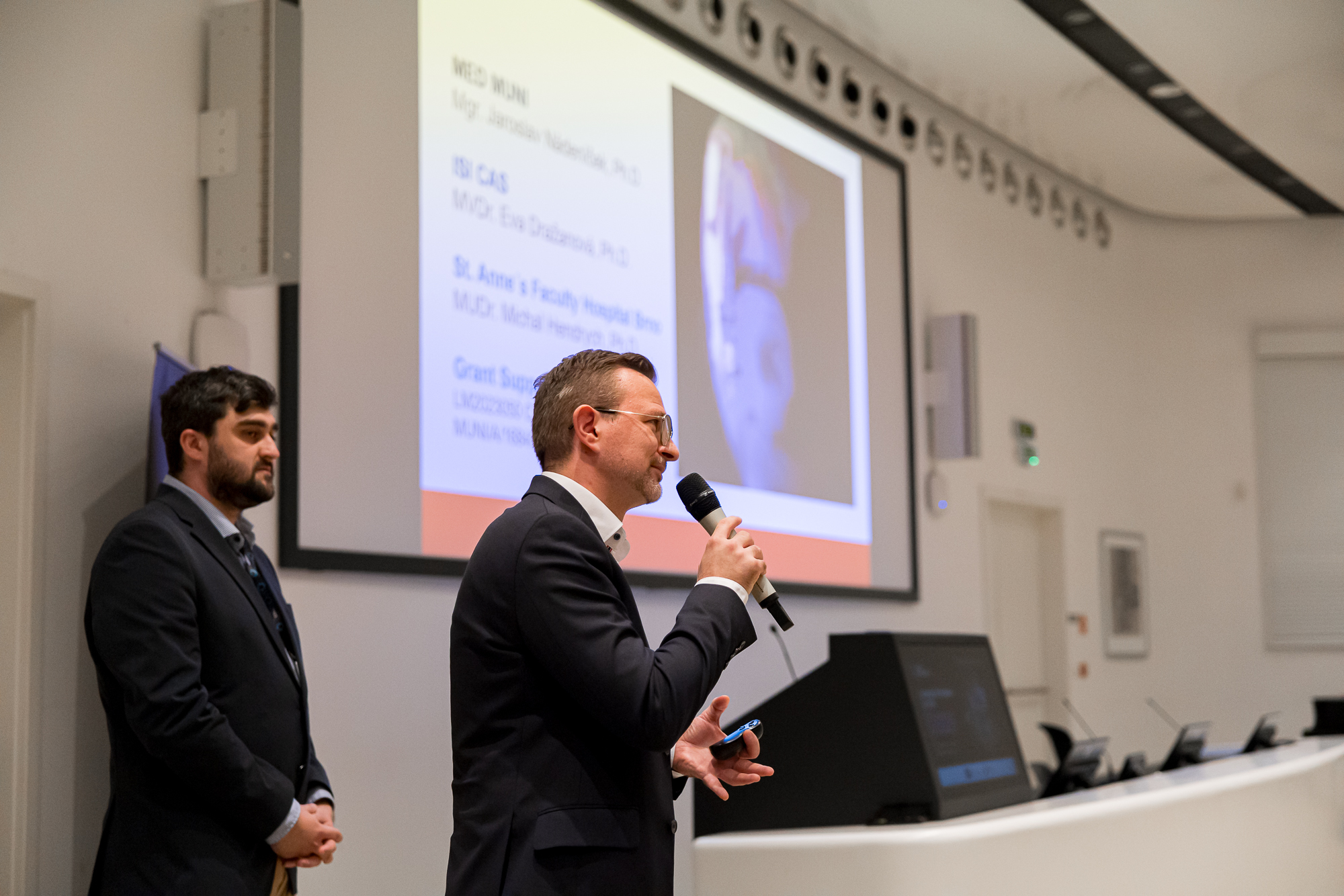
The programme extended beyond scientific talks. Participants had the opportunity to present and discuss their work during the poster session, meet technology providers and learn about the latest developments at the industry exhibition and industry presentations, and connect with colleagues from across the Czech-BioImaging community.
After the first day of science, discussions continued in a more informal setting during the conference dinner on the Vltava River, providing an opportunity to meet colleagues, exchange ideas and strengthen existing and new collaborations.
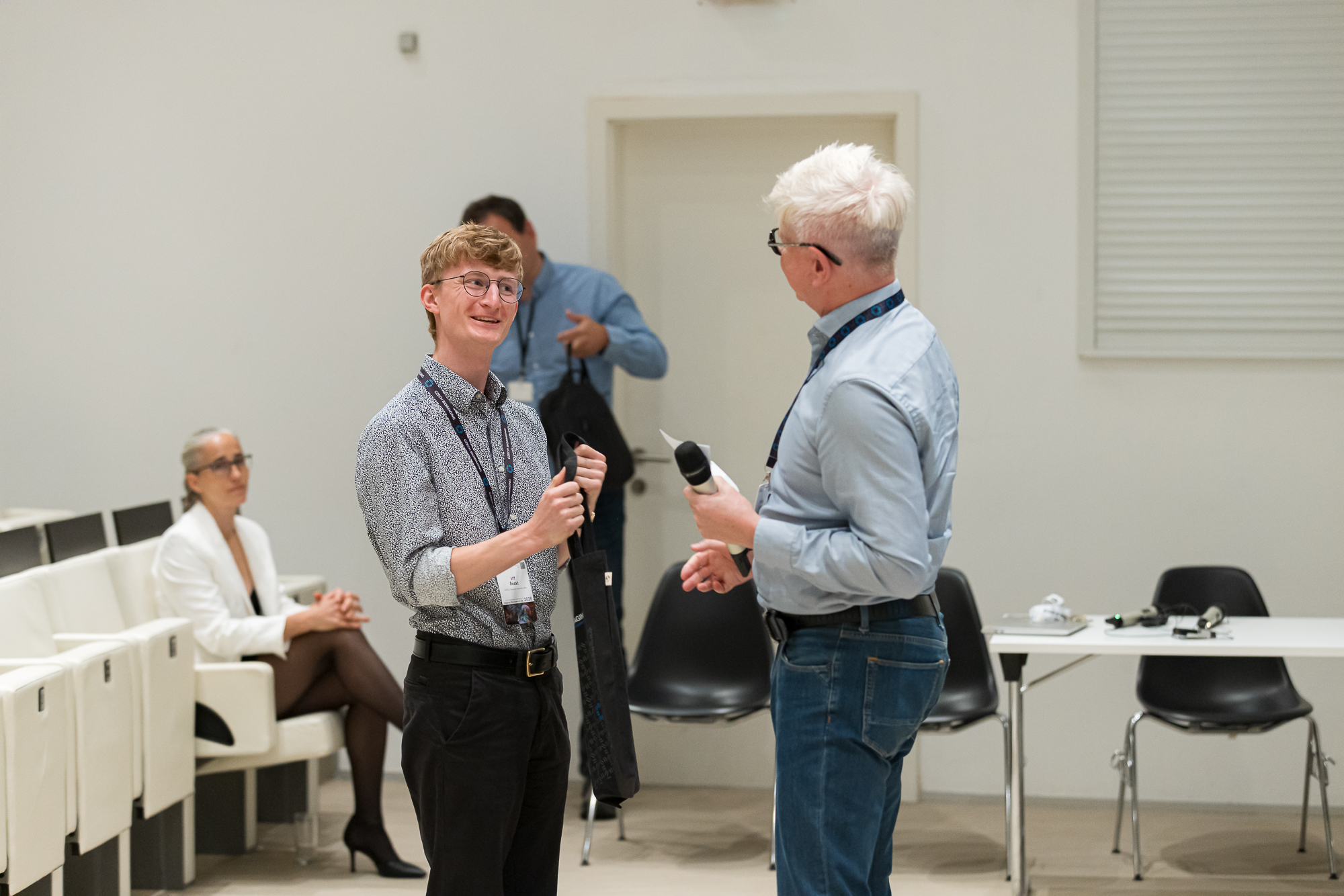
The conference concluded with the announcement of the winner of our social media giveaway – Vít Řezáč. Congratulations!
We would like to thank all our speakers, presenters, session chairs, partners, exhibitors and participants for contributing to two days full of science, discussion, new connections and collaboration.
We look forward to seeing you again at Imaging Principles of Life 2027!
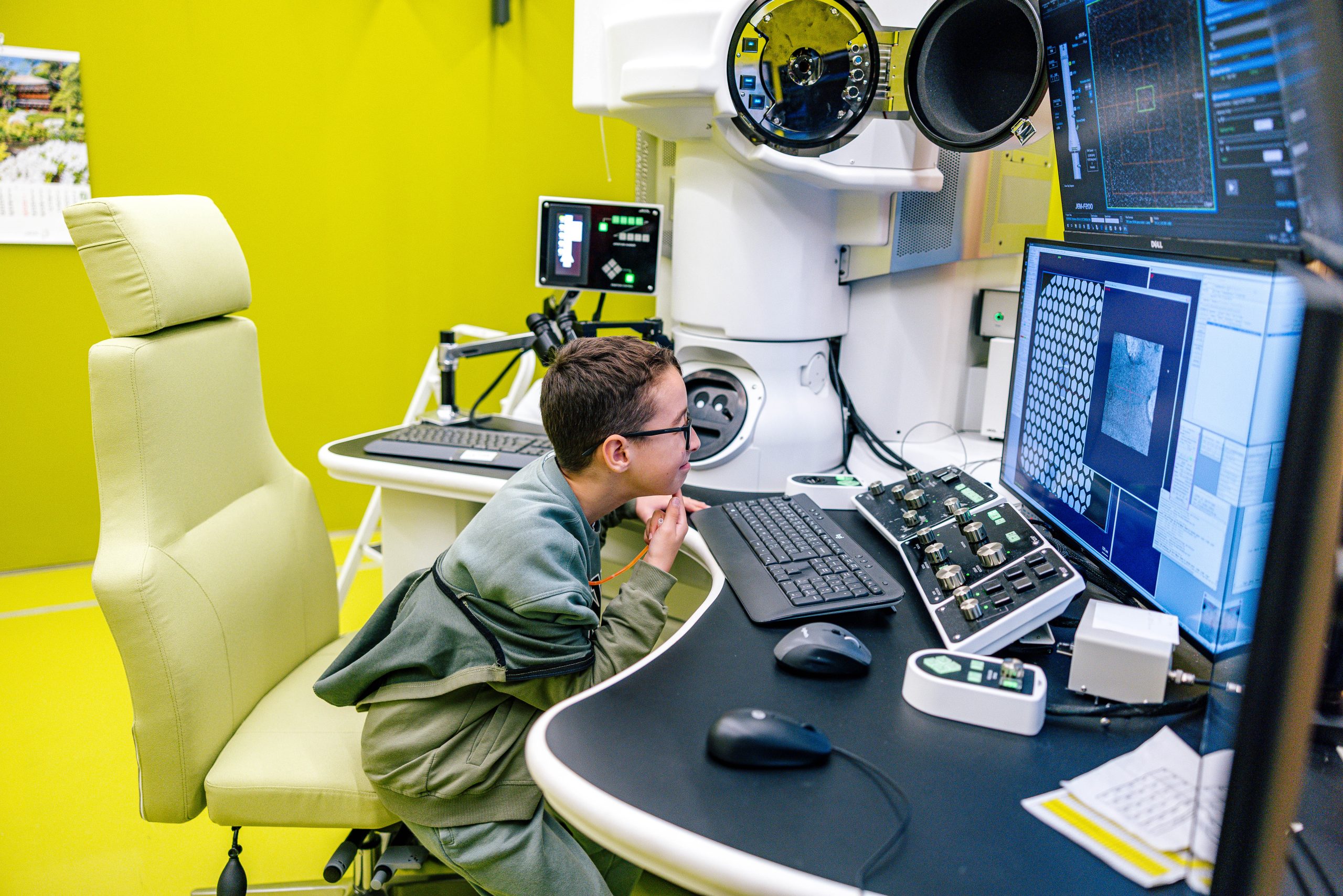
On 25 September 2026, Czech-BioImaging joined Researchers’ Night, opening the doors of its Core Facilities and giving visitors a chance to discover modern microscopy and imaging technologies up close.
At the Krč campus in Prague, five Czech-BioImaging Core Facilities joined the programme, welcoming the public into their laboratories, introducing their microscopes and imaging technologies, and preparing hands-on activities to show how imaging helps us explore the world that is normally hidden from our eyes.
Throughout the evening, around 600 visitors came to the Krč campus, turning the laboratories into lively spaces full of questions, demonstrations and encounters between researchers and the public.
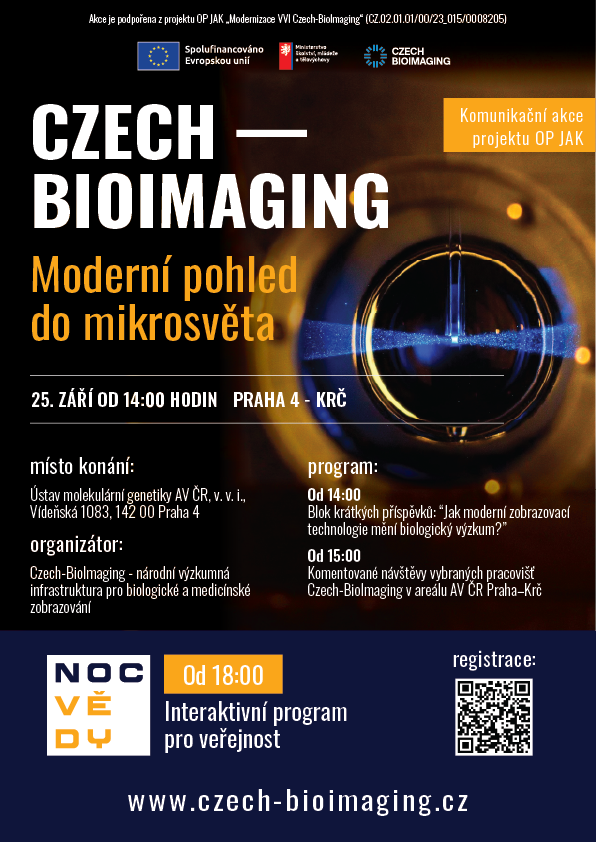
Czech-BioImaging activities already began in the afternoon with Moderní pohled do mikrosvěta (A Modern View into the Microworld), a communication event organised as part of the OP JAK project Modernizace VVI Czech-BioImaging (CZ.02.01.01/00/23_015/0008205).
During a series of short presentations, experts from Czech-BioImaging introduced advanced imaging technologies acquired with support from the project and showed how they are being used in current biological and biomedical research. The topics ranged from combining light and sound in imaging and preparing samples for electron microscopy to live imaging, electron and Raman microscopy, and X-ray imaging. The presentations were followed by guided visits to selected Czech-BioImaging facilities at the Krč campus, giving participants an opportunity to see some of the technologies directly in the laboratories.
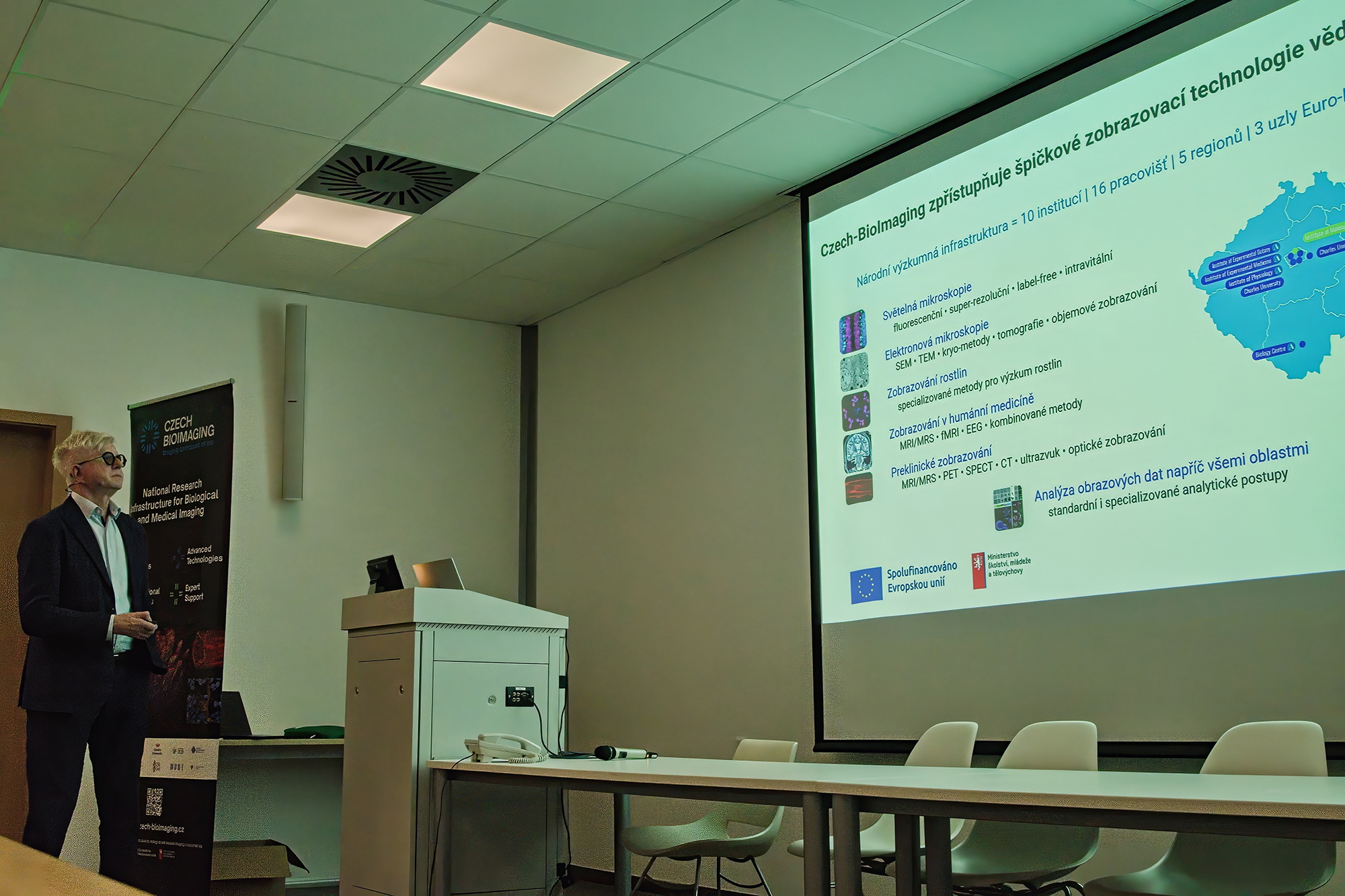
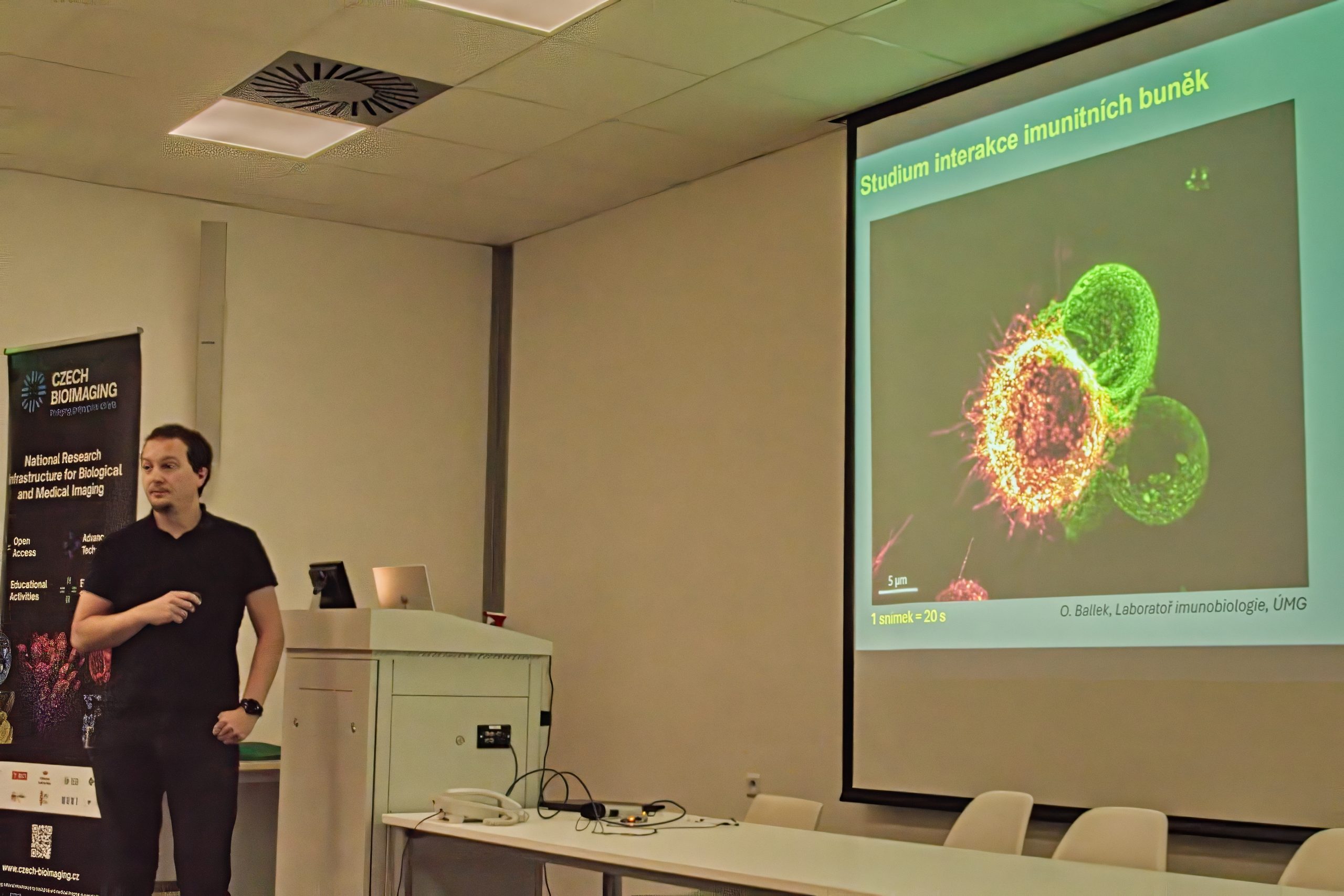
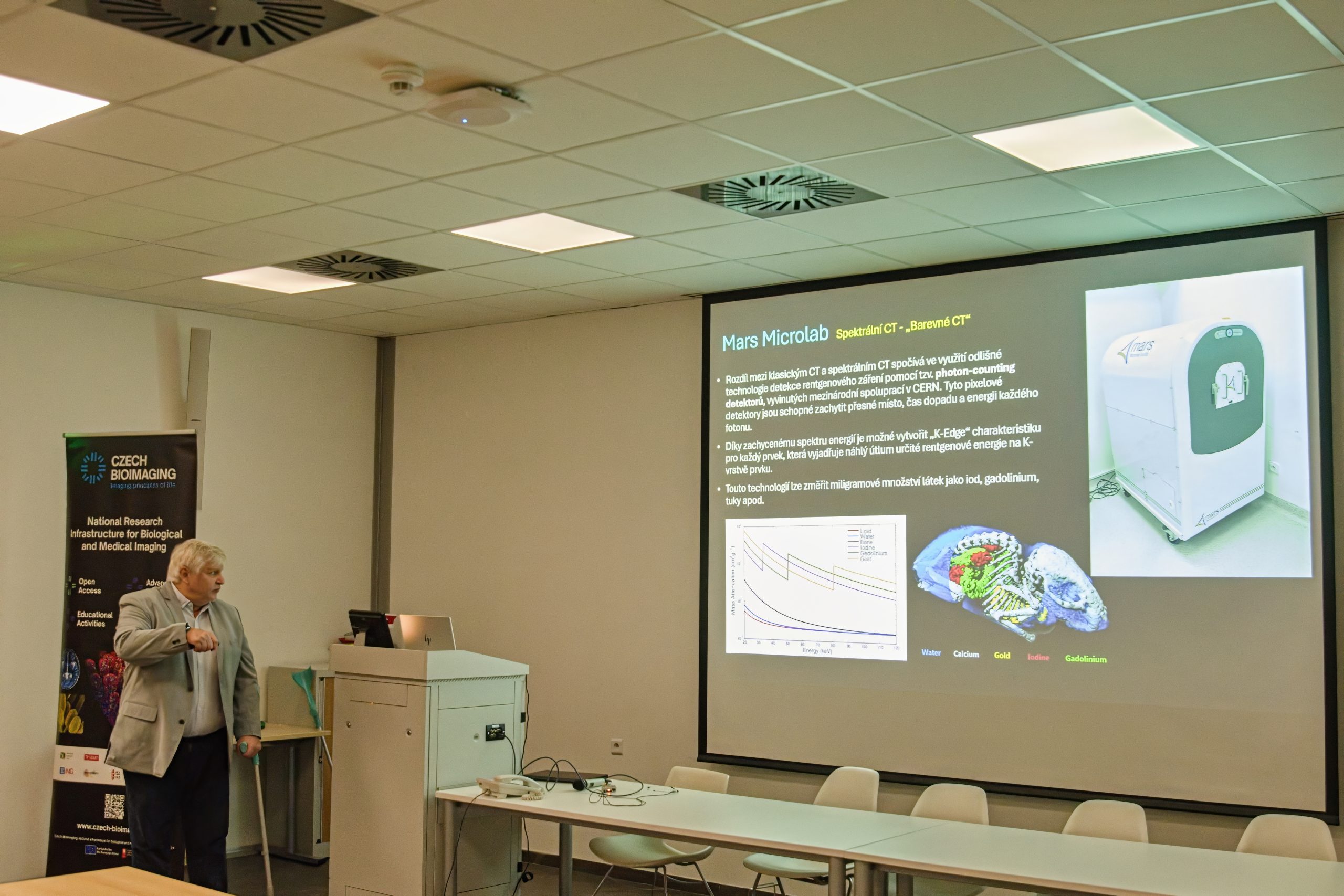
Photos from the communication event by Zdeněk Cimburek.
Czech-BioImaging at Researchers’ Night 2026: Opening the World of Imaging to the Public
From 17:00, the Krč campus opened its doors to the wider public for Researchers’ Night. Four Czech-BioImaging Core Facilities – Electron Microscopy Core Facility (IMG EM), Light Microscopy Core Facility (IMG LM), Bioimaging Facility (IPHYS BIF) and Microscopy Service Centre (MSC IEM) – welcomed visitors into their laboratories. Through live demonstrations, hands-on activities and opportunities to explore microscopes and imaging technologies up close, researchers and facility staff introduced visitors of all ages to the fascinating world of biological imaging and showed how these technologies help us see and understand what is normally hidden from the human eye.
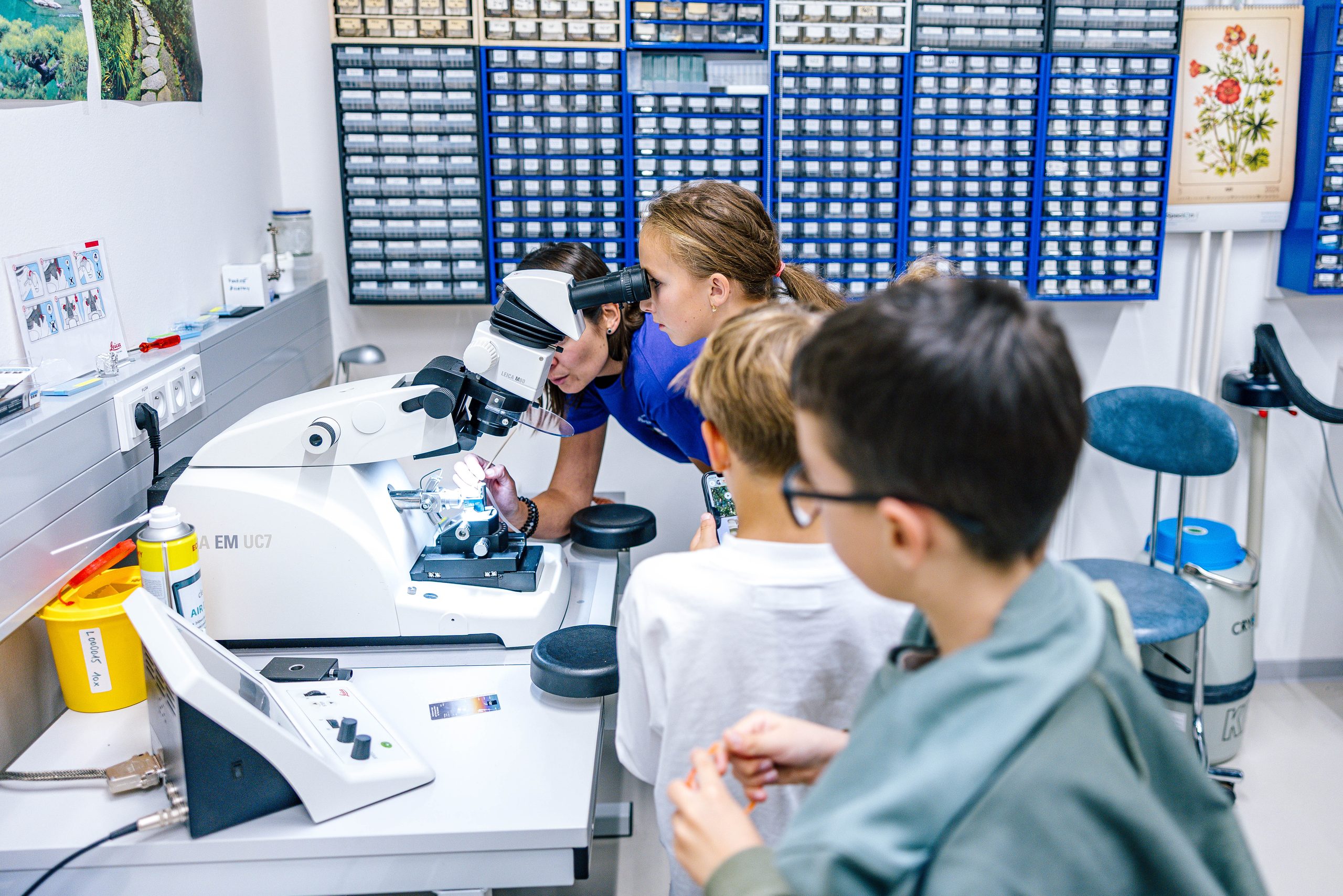
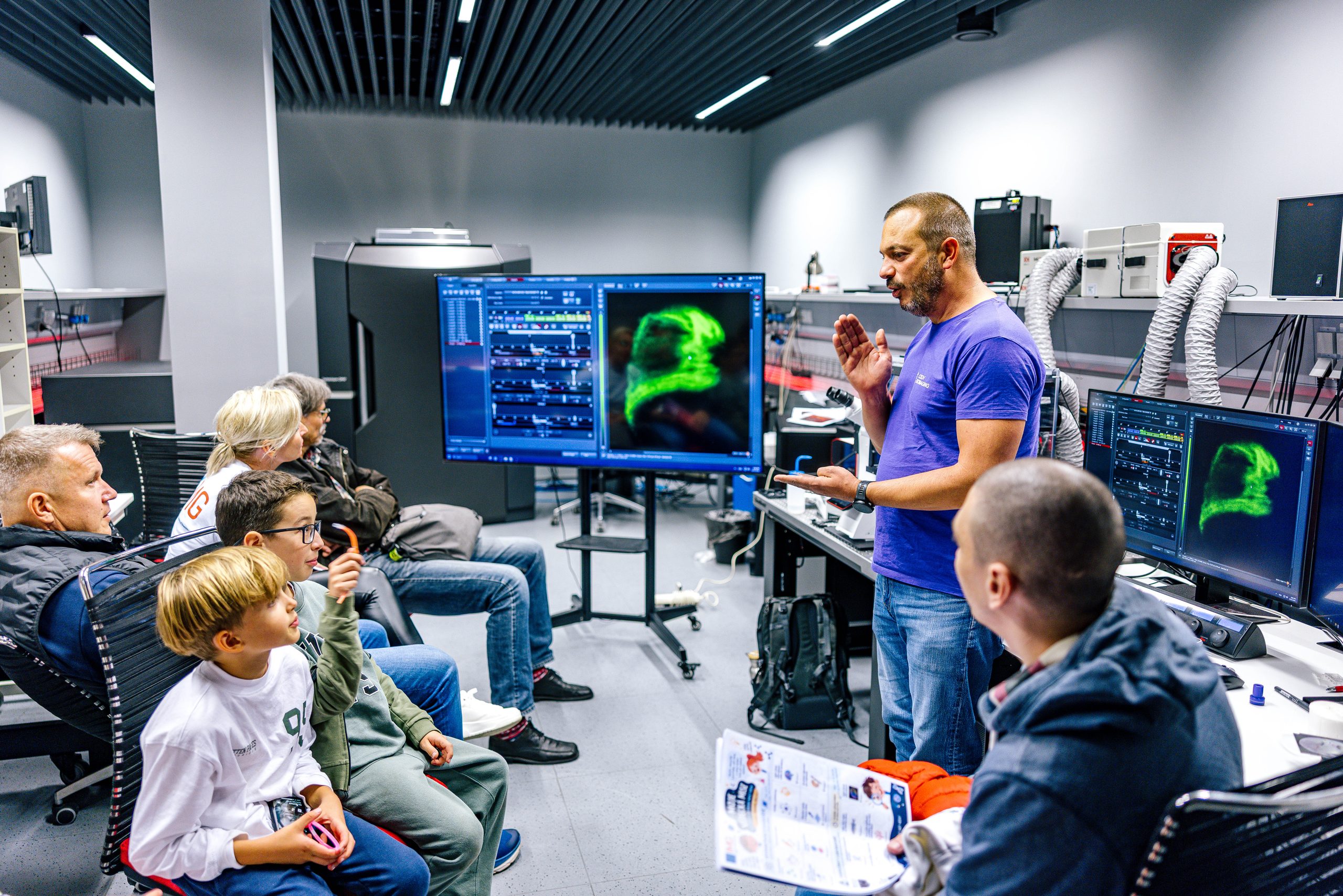
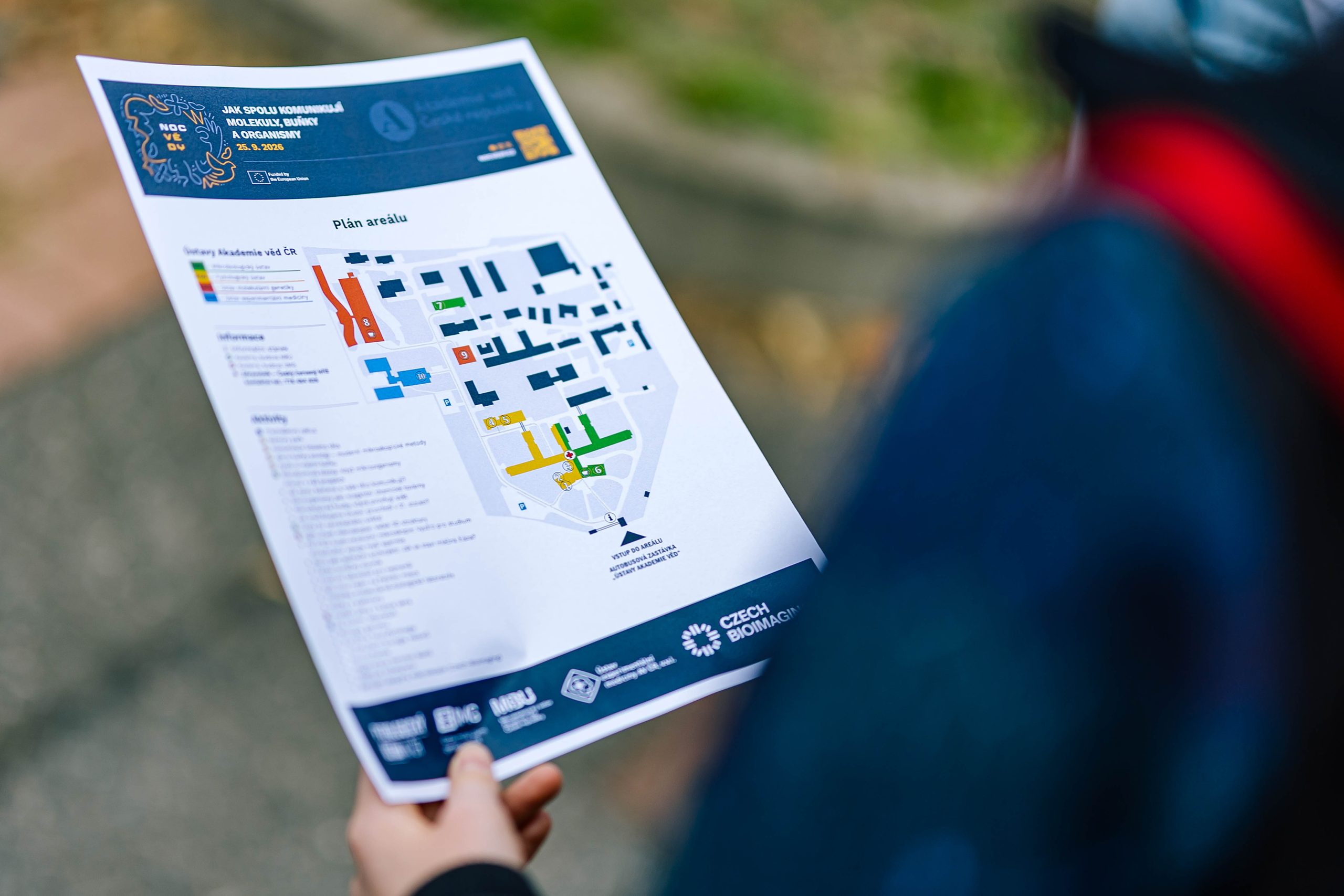
And Czech-BioImaging activities were not limited to Krč. Other Core Facilities across the Czech Republic also joined Researchers’ Night, including the Vinicna Microscopy Core Facility (VMCF) at Charles University in Prague and the Laboratory of Electron Microscopy (LEM) at the Biology Centre of the Czech Academy of Sciences in České Budějovice, bringing microscopy and imaging closer to the public at several Czech-BioImaging locations.
A big thank you goes to all our Core Facility staff, researchers, organisers and volunteers who dedicated their time and creativity to preparing demonstrations, opening their laboratories and sharing their enthusiasm for imaging with the public.
And, of course, thank you to everyone who came to visit us, asked questions, looked through microscopes and explored the microworld with us. We hope to see you again at Researchers’ Night 2027!
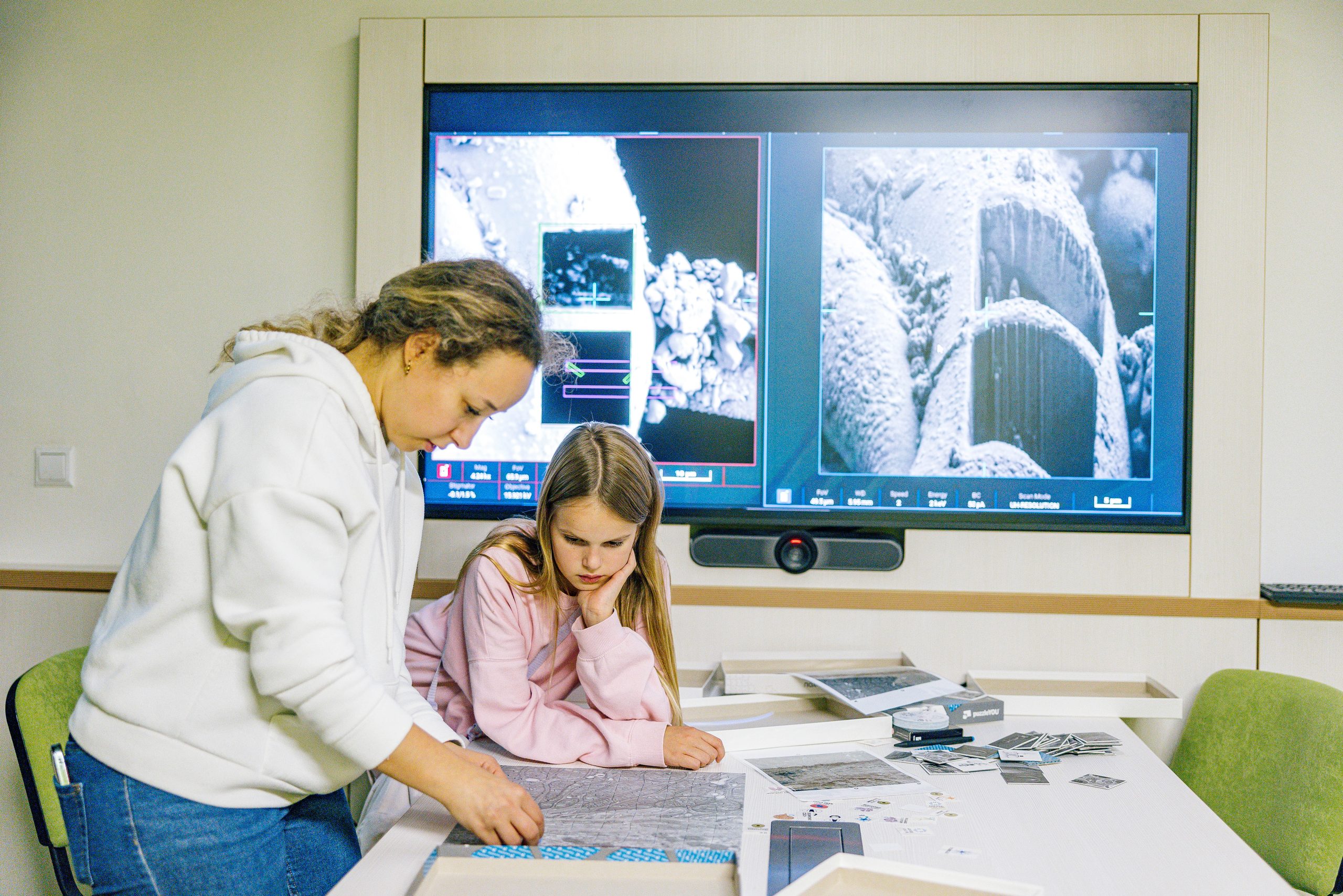
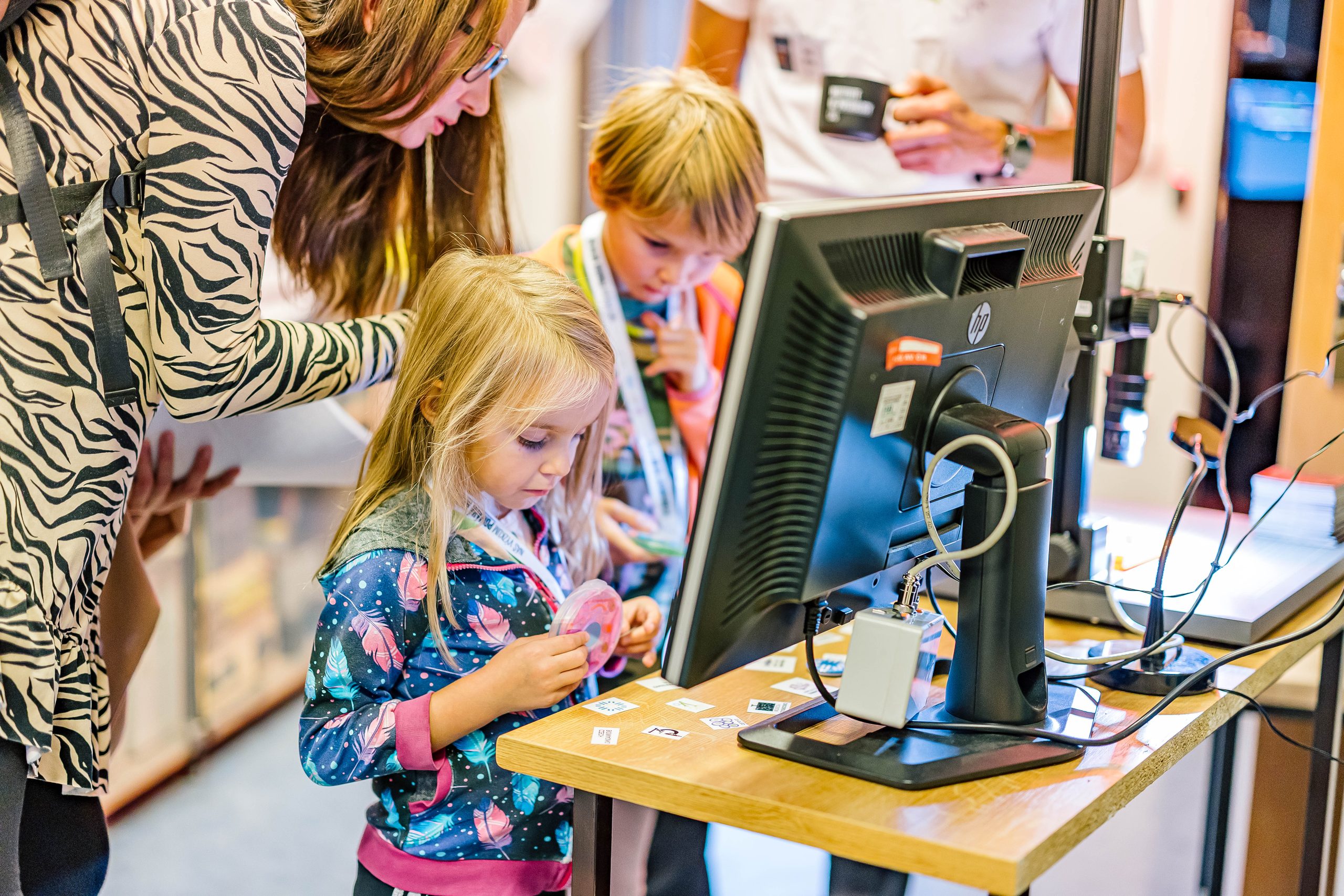
Photos from the Researchers’ Night by Stanislav Pecháček.
30 November – 4 December 2026
Institute of Molecular Genetics, Vídeňská 1083, 142 20, Prague
The course is designed for beginners and intermediate users of transmission electron microscopes. Upon completion of the course, participants will understand the principles of transmission electron microscope design and operation, and will receive extensive hands-on experience with transmission electron microscopes of varying complexity. Participants are encouraged to bring their own samples on TEM grids for imaging. While the focus will be on routine TEM operation, a demonstration of the cryoTEM workflow and a brief overview of sample preparation methods are also included in the program.
The course will be taught in English.




8-9 September 2026
Krč campus, Vídeňská 1083, Prague 4, Czech Republic (hybrid)
This two-day introductory course, co-organized by three Czech-BioImaging Core Facilities – the Microscopy Service Centre IEM CAS, Core Facility Magnetic Resonance ISI CAS, and IPHYS Bioimaging Facility – focuses on how preclinical imaging facilities can actively support and enhance animal-based research, from study planning to data acquisition. Aimed at researchers and technical staff new to preclinical models or imaging workflows, the course introduces essential principles of proper and ethical animal handling in the specific context of facility-based imaging experiments.
Participants will learn how imaging facilities contribute to animal welfare, regulatory compliance, and experimental quality by providing expertise in animal preparation, handling during imaging procedures, and protocol optimization. The course emphasizes the value of early collaboration with facility staff to reduce experimental variability, improve reproducibility, and ensure efficient use of animal models.
The course will introduce several methods used in multimodal preclinical imaging, including in vivo two-photon microscopy, in vivo multiphoton-based label-free techniques (SHG, THG, CARS), and magnetic resonance imaging (MRI) of small rodents, illustrated through real-world examples and case studies.
The course is designed for researchers (PhD candidates, Postdocs, Principal Investigators, etc.) with a serious interest in integrating in vivo imaging into their projects.
two-photon fluorescent microscopy (functional calcium/voltage imaging, structural imaging), second harmonic generation (SHG), third harmonic generation (THG), coherent anti-Stokes Raman spectroscopy (CARS), high field magnetic resonance perfusion imaging (MRI), fluorescence lifetime imaging microscopy (FLIM)
Course fee: 40 EUR
Registration deadline: 14. 8. 2026
Payment deadline: 15. 8. 2026



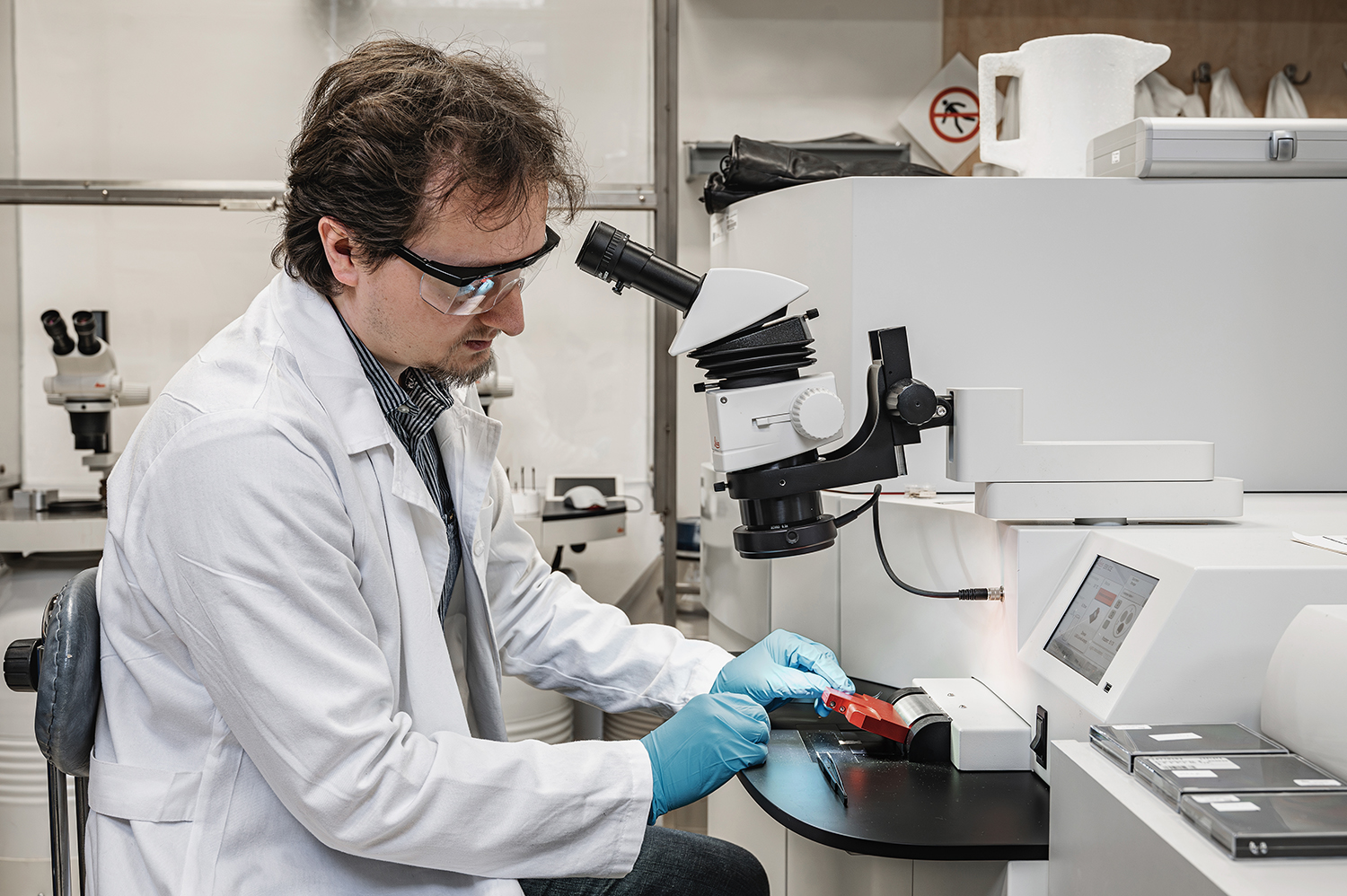
Dominik Pinkas, Electron Microscopy Core Facility, Institute of Molecular Genetics of the Czech Academy of Sciences. Photo: Czech-BioImaging archive.
Protein crystallization inside living cells offers an alternative route to structural biology that avoids protein purification and can preserve proteins in a quasi-native cellular environment. However, intracellular crystallization is often inefficient, and only a small fraction of cells may contain suitable crystals. Conventional serial X-ray crystallography therefore requires tens of thousands of crystal-containing cells, limiting studies of proteins that crystallize only rarely.
The newly developed IncelluloED workflow combines intracellular protein crystallization with in situ three-dimensional electron diffraction. The method enables high-resolution structure determination from a single protein crystal located inside a single cell. It builds on standard cryogenic electron-microscopy technologies, including cryo-light microscopy, correlative imaging, cryo-focused ion-beam milling and electron diffraction in a cryo-transmission electron microscope.
As a proof of concept, the researchers studied HEX-1 protein from the filamentous fungus Magnaporthe grisea. The protein was expressed in insect cells, where it formed intracellular microcrystals approximately 4-15 µm in size. Crystal-containing cells were deposited on transmission electron microscopy grids and vitrified by plunge freezing.
The frozen grids were first examined by cryo-light microscopy. Co-expression of a fluorescent marker made the crystals visible as sharply defined regions lacking fluorescence. Combined reflected light and fluorescence imaging provided the three-dimensional coordinates of selected crystals relative to the sample surface.
These coordinates were transferred to a cryo-FIB/SEM microscope by correlating the light-microscopy and electron-microscopy images. The targeted cells were then milled with a focused ion beam to produce electron-transparent lamellae approximately 250–300 nm thick. The lamellae were transferred to a cryo-TEM, where continuous-rotation electron-diffraction data were collected directly from the intracellular crystal. The complete workflow proceeds from crystal detection and plunge freezing through correlative localization, targeted lamella preparation and final diffraction-data acquisition.
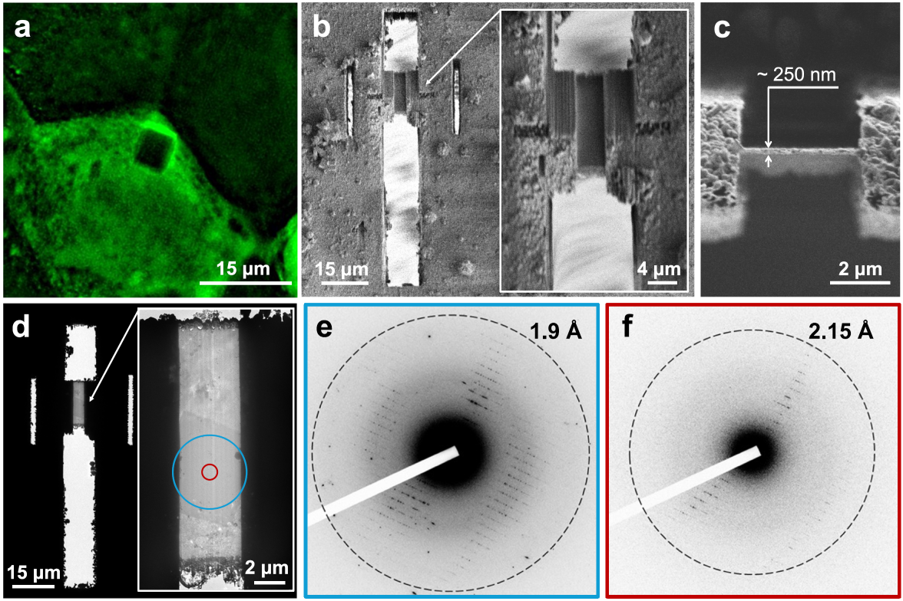
Example of a prepared lamella containing an in cellulo MgHEX-1 crystal and its electron diffraction (ED) (a) shows HEX-1 crystal in negative fluorescence imaging, (b) and (c) show lamella preparation through the same crystal. The crystal is clearly visible in the TEM in (d) while (e) and (f) show diffraction patterns obtained from blue and yellow areas of the crystal, respectively. (Nature Communications 17, 2109 (2026))
Using a crystal volume of approximately 1.6 µm3, IncelluloED produced the previously unknown MgHEX-1 structure at 1.9 Å resolution. A second dataset collected from only about 0.8 µm3 yielded a structure at 2.2 Å resolution. Both structures contained detailed information sufficient for modelling most of the protein backbone and side chains.
intracellular
single-cell sample
resolution
For comparison, serial synchrotron X-ray crystallography achieved a resolution of 1.8 Å but required data from 62,496 intracellular crystals, representing a combined crystal volume of approximately 11 million µm3. The electron-diffraction and X-ray structures showed no major differences in the overall protein conformation.
IncelluloED therefore reduces the required sample volume by approximately seven orders of magnitude while retaining structural information comparable to established serial X-ray methods. Because the workflow uses instrumentation already available in many cryo-EM facilities, it could make high-resolution analysis of rare intracellular crystals accessible without requiring synchrotron or X-ray free-electron-laser experiments.
The method remains to be validated on a broader range of proteins and crystal symmetries. Nevertheless, it introduces a practical route for studying proteins that crystallize inefficiently, detecting structural heterogeneity that would otherwise be averaged across thousands of crystals, and investigating intracellular protein structures within their cellular environment. It represents an important step towards a “single-cell structural laboratory.”
Article: Bílá, Š., Pinkas, D., Khakurel, K. et al. Single-cell structural biology with intracellular electron crystallography. Nat Commun 17, 2109 (2026). https://doi.org/10.1038/s41467-026-69205-6
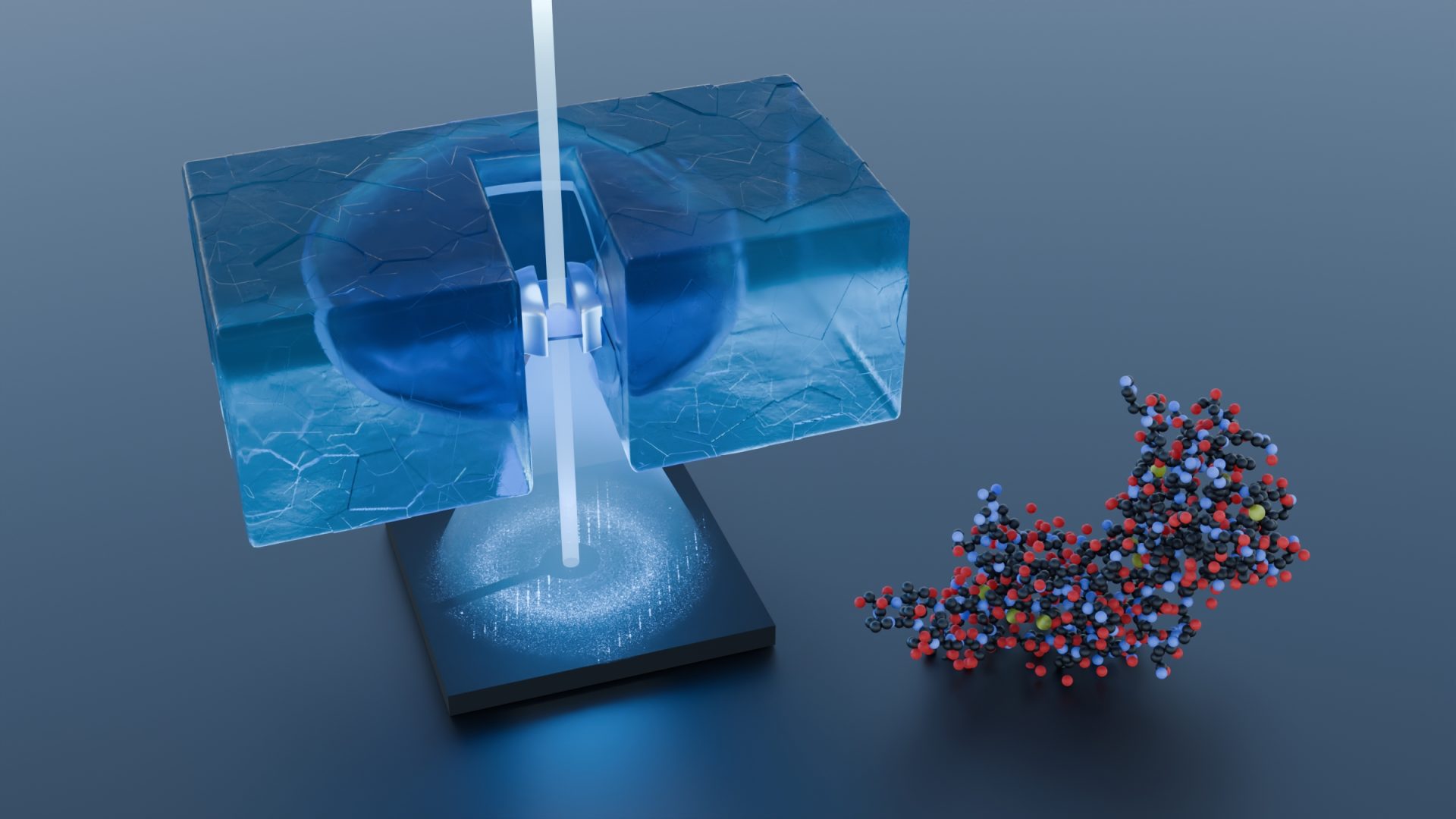
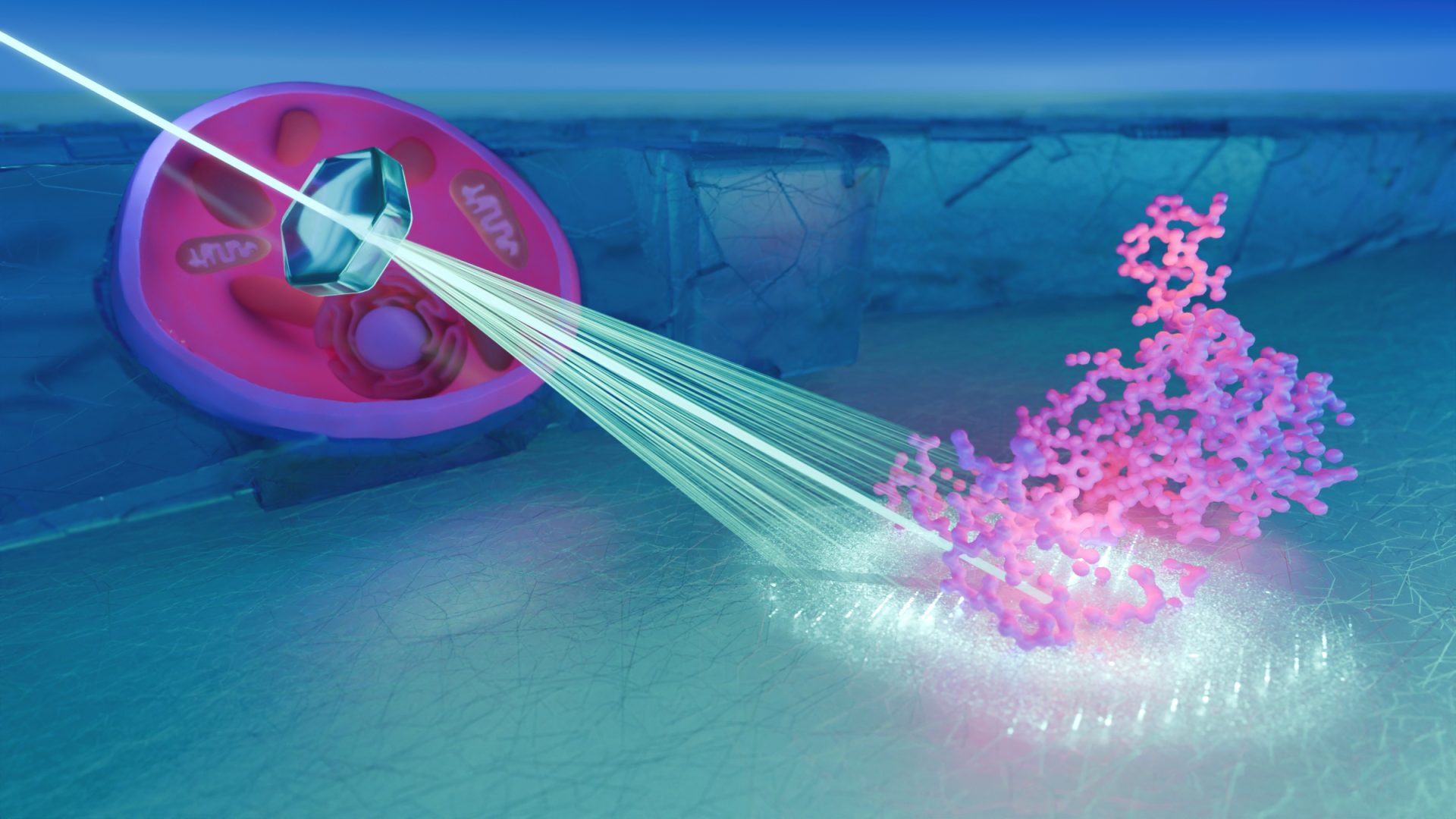
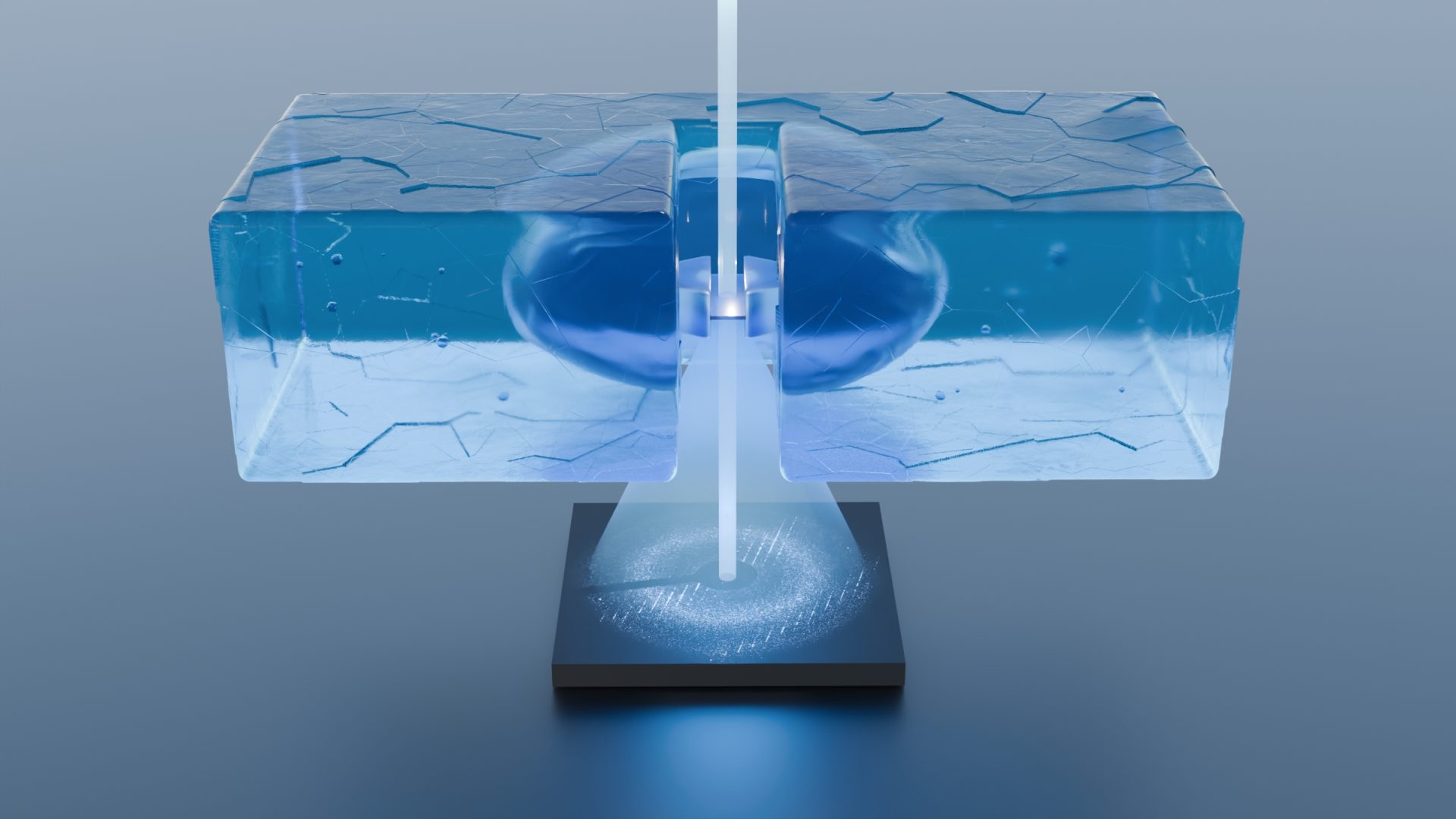
Artistic illustration of IncelluloED method by Lucas J. Martin, Max Planck Institute of Biophysics, Frankfurt am Main, Germany
25. září 2026
Ústav molekulární genetiky AV ČR, v. v. i., Vídeňská 1083, 142 00 Praha 4 – Krč
Program bude mít dvě navazující části.
První část programu bude komunikační akcí projektu OP JAK „Modernizace VVI Czech-BioImaging“ (CZ.02.01.01/00/23_015/0008205). Nabídne cyklus krátkých příspěvků představujících progresivní zobrazovací technologie pořízené na pracovištích Czech-BioImaging s podporou tohoto projektu.
Během krátkých vystoupení představí odborníci a odbornice z našich pracovišť nové technologie, jejich možnosti i konkrétní využití ve výzkumu. Návštěvníci a návštěvnice se dozvědí například, jak lze propojit světlo se zvukem, jak hledat mikroskopickou „jehlu v kupce zmrzlého sena“, co umožňuje elektronová a Ramanova mikroskopie nebo jak může rentgenové zobrazování objevit „barvy“.
Účast na odpoledním programu od 14:00 je možná pouze po předchozí registraci.
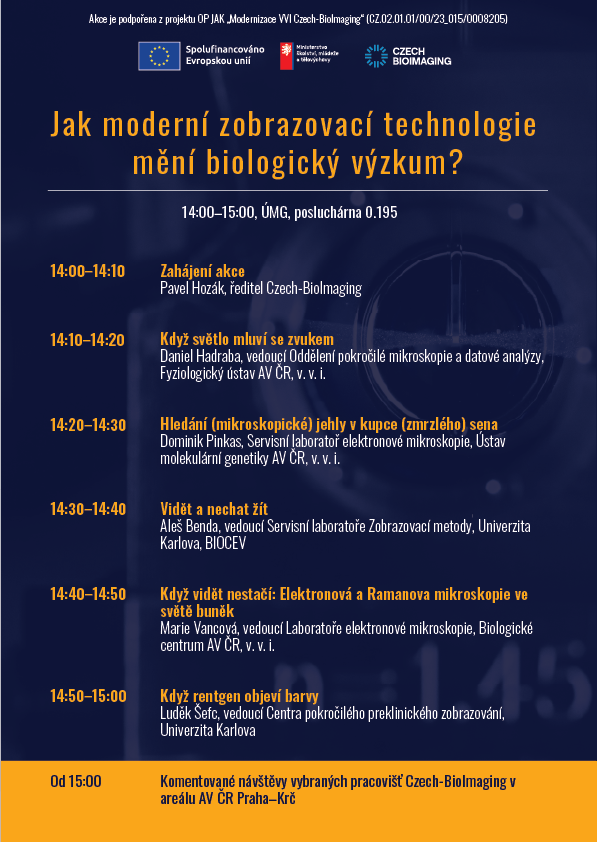
14:00–14:10 | Zahájení akce
Pavel Hozák, ředitel Czech-BioImaging
14:10–14:20 | Když světlo mluví se zvukem
Daniel Hadraba, vedoucí Oddělení pokročilé mikroskopie a datové analýzy, Fyziologický ústav AV ČR, v. v. i.
14:20–14:30 | Hledání (mikroskopické) jehly v kupce (zmrzlého) sena
Dominik Pinkas, Servisní laboratoř elektronové mikroskopie, Ústav molekulární genetiky AV ČR, v. v. i.
14:30–14:40 | Vidět a nechat žít
Aleš Benda, vedoucí Servisní laboratoře Zobrazovací metody, Univerzita Karlova, BIOCEV
14:40–14:50 | Když vidět nestačí: Elektronová a Ramanova mikroskopie ve světě buněk
Marie Vancová, vedoucí Laboratoře elektronové mikroskopie, Biologické centrum AV ČR, v. v. i.
14:50–15:00 | Když rentgen objeví barvy
Luděk Šefc, vedoucí Centra pokročilého preklinického zobrazování, Univerzita Karlova
Na přednáškovou část budou volně navazovat komentované prohlídky vybraných pracovišť Czech-BioImaging v areálu AV ČR Praha-Krč. Návštěvníci tak budou mít příležitost nahlédnout přímo do prostředí výzkumných laboratoří a seznámit se s moderními zobrazovacími technologiemi zblízka.
Odpolední program následně plynule přejde do druhé části – Noci vědy. Od 17:00 do 22:00 se pracoviště Czech-BioImaging v areálu AV ČR Praha-Krč otevřou široké veřejnosti a nabídnou interaktivní program zaměřený na mikroskopii a moderní zobrazovací metody.
Do Noci vědy se zapojí také další pracoviště Czech-BioImaging po celém Česku, a návštěvníci tak budou mít možnost poznat svět biologického a medicínského zobrazování i na dalších místech republiky.
Program Noci vědy je k dispozici na www.nocvedy.cz.
Akce je podpořena z projektu OP JAK „Modernizace VVI Czech-BioImaging“ (CZ.02.01.01/00/23_015/0008205).
Foto použité v grafice: Jiří Černý, Ústav molekulární genetiky AV ČR, v. v. i.


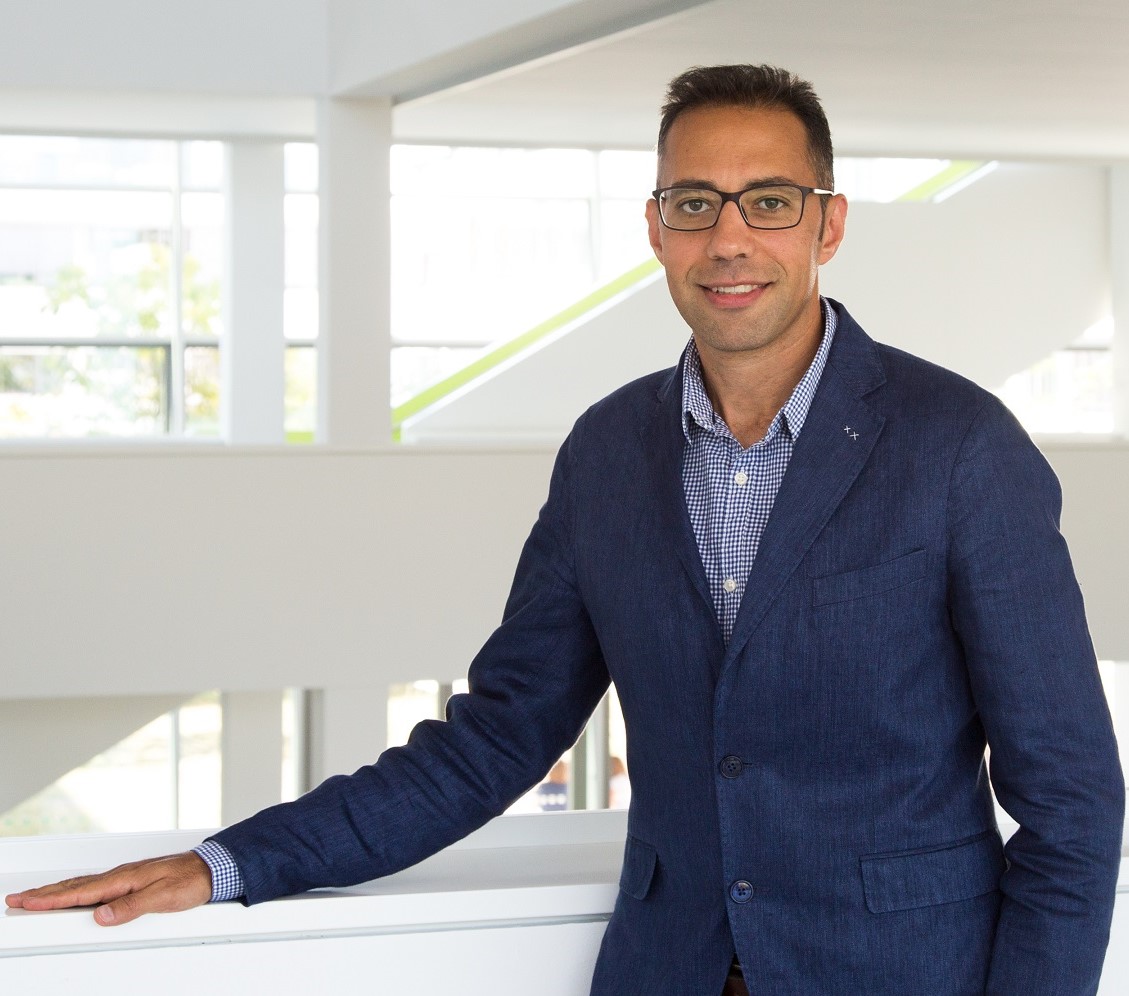
Published in Nature Communications, the study by Gui et al. uncovers an unexpected role of the protein MCL1 in driving tumour metabolism, challenging a long-standing view of its function in cancer. The work was supported by advanced in vivo PET imaging performed at the Center for Advanced Preclinical Imaging, Charles University, a Czech-BioImaging and Euro-BioImaging facility. We spoke with the paper’s corresponding author, Dr. Mohamed Elgendy (Medical Clinic I, University Hospital Carl Gustav Carus, Technische Universität Dresden, Dresden, Germany), about the significance of the findings, their potential clinical impact, and the role of imaging in the study.
For years, cancer researchers have viewed the protein MCL1 primarily as a protective shield for tumors—a classical “anti-apoptotic” brake that prevents cancer cells from self-destructing. However, your new study shattered this view. Could you explain how MCL1 acts as more than just a shield, and why your findings represent such a major paradigm shift?
MCL1 is one of the most highly expressed proteins in several types of tumors and is an anti-apoptotic member of the Bcl-2 family, a family of proteins that are typically viewed as effectors crucially deciding about cell death or survival downstream of DNA damage, ER stress, metabolic crisis, etc.
The study thus represents a major paradigm shift: It positions – for the first time to the best of our knowledge – MCL1 as an upstream regulator that signals to a key signaling cascade (mTOR signaling), thereby challenging the classical view of MCL1 as merely a downstream effector. Moreover, the tumor-promoting role of MCL1 has so far been largely attributed to its anti-apoptotic function. Here, we show that the novel functions of MCL1 in controlling mTORC1 signaling and subsequently in regulating bioenergetics contribute to tumor promotion by MCL1.
The ground-breaking nature of this discovery is illustrated by the fact that it was selected among the best 50 Cancer articles in Editor’s highlight and received high visibility (Top 1% of the 349,562 tracked articles of a similar age in all journals and top 5% in Nature Comm. https://www.nature.com/articles/s41467-025-66831-4/metrics).
This completely changes our understanding of tumor metabolism. But how do these laboratory findings translate to real-world patient care, specifically for patients fighting melanoma or AML?
From a clinical preservative, the study has an immediate clinical relevance. Targeting MCL1 is emerging as a promising therapeutic strategy with several inhibitors under clinical development. Our findings show that MCL1 inhibitors act to inhibit mTOR signaling. mTOR inhibitors (mTORi) are used clinically in cancer therapy and therefore the unexpected and unintended property of MCL1 inhibitors on mTOR inhibition we show here is very relevant clinically.
Moreover, several clinical trials testing MCL1 inhibitors have been halted or discontinued due to reported cardiotoxicity. Importantly, in the light of our novel insights, we identify a crucial mechanism of the cardiotoxicity of MCL1 inhibitors and finally devise a dietary approach to dramatically ameliorate such cardiotoxicity. This is likely to be vital for further advancing the use of those inhibitors in clinical testing. Additionally, our data establish MCL1-mTORC1-HK2 as an important prognostic axis in melanoma and AML.
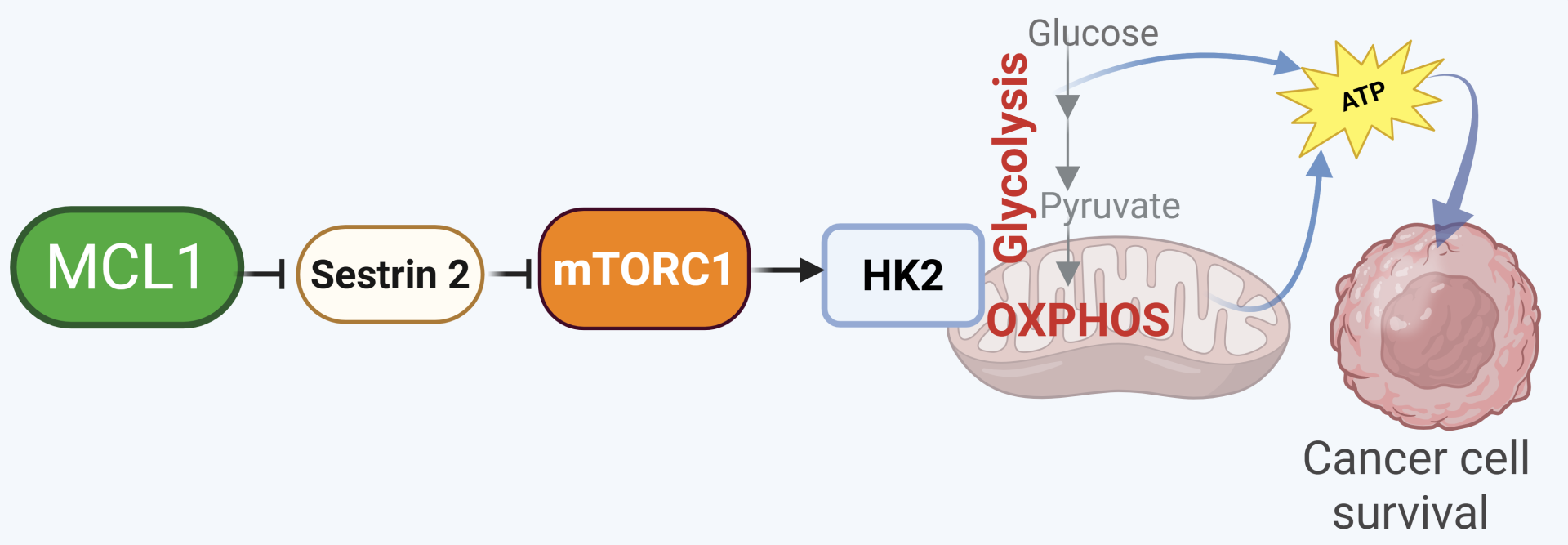
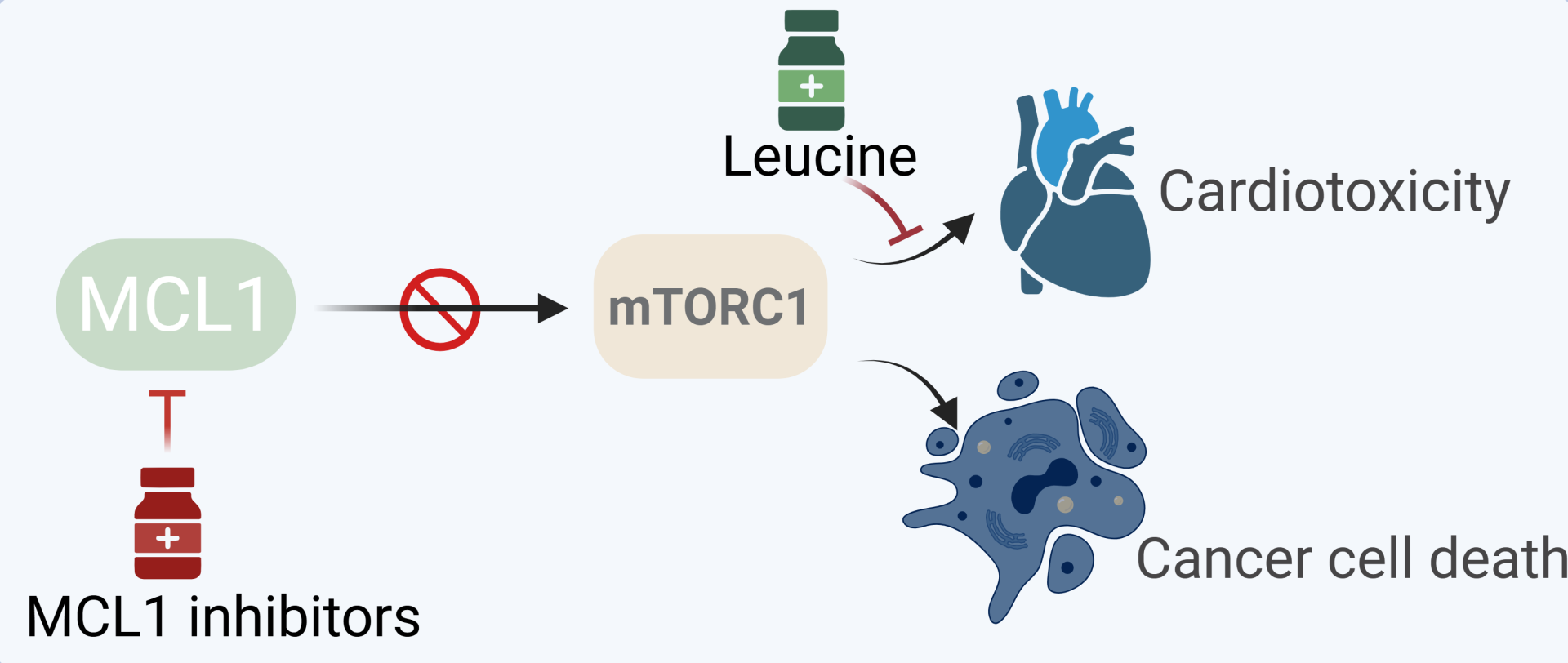
Your study relied on advanced imaging approaches to understand how MCL1 influences tumor metabolism in vivo. Could you explain how imaging technologies helped validate your findings?
Our in-vitro data indicated that depletion or inhibition of MCL1 leads to a decline in glucose metabolism and glycolysis. As metabolism of cancer cells in vitro may differ from that of tumors in vivo, we aimed to assess the role of MCL1 in regulating tumor metabolism in vivo
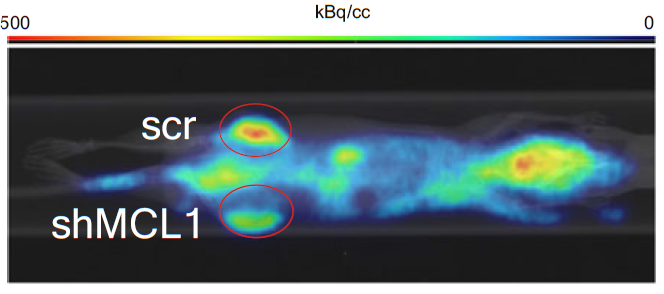
We validated our findings in vivo through collaboration with the group of Prof. Ludek Sefc and the team of the Center for Advanced Preclinical Imaging (CAPI) at the Charles University in Prague, which is supported by Euro-BioImaging and Czech-BioImaging funding. We exploited the advanced imaging technique of in vivo 18-fluorodeoxyglucose positron emission computed tomography (18FDG PET), an imaging technique that assesses the uptake of radio-labeled 18FDG and is routinely used to monitor glucose metabolism in tumors 18FDG-PET scan. This technique allows for the direct quantification of glucose uptake, an indicative readout of glucose metabolism and glycolysis.
In-vivo 18FDG-PET scan was performed on tumor subcutaneous xenograft derived from melanoma cells that were either depleted or not of MCL1. This analysis further confirmed the findings obtained from the CHL-1 model. We have further normalized the data according to injected FDG, quantified FDG uptake in internal organs (heart, brain and kidney), and quantified PET imaging calculating SUVmax alongside gamma counting.
Nod skid gamma (NSG) mice received single subcutaneous flank injections with melanoma transduced with either scrambled shRNA or doxycycline -inducible shRNA against MCL1 on both flanks. Once tumors were established, mice were given drinking water containing 1 mg ml-1 doxycycline and 1% sucrose for induction of MCL1 shRNA expression in vivo for five additional days. Mice were fasted overnight (14-18h), weighed and heated prior to intravenous injection of 18FDG through the tail vein (activity approx. 6 MBq per mouse). Animals were placed into heated induction chamber under anesthesia (1.5% isoflurane) for 40min uptake. The 10min CT-PET imaging (Albira, Bruker, Germany) under anesthesia (1.5% isoflurane) was performed running PET measurement (10min, PET single, offset 35mm) & CT (2x 8min, 125mm LOW 400kV/400µA, offset 35mm). Tumors were isolated, weighed, and their size determined using digital caliper. The 18FDG activity in blood samples and extracted tumors was measured using a 2480 Wizard2® Automatic Gamma Counter (PerkinElmer, USA), and corrected for the half-life decay. CT-PET image analysis and co-registration were carried out using PMOD analysis software (PMOD Technologies LLC; Switzerland). Consistent with the in-vitro results, MCL1 depletion in tumors led to decline in 18FDG signal as compared to control tumors, suggestive of inhibition of glucose metabolism in MCL1-depleted tumors. Of note, at the time of tumor isolation there was no significant difference in tumor size between both groups of tumors. Establishing the control and MCL1-deplted tumors on both flanks of mice controlled for the inter-mouse and inter-organ variabilities of 18FDG uptake as it allowed comparison of two tumors established in the same mouse.
Original Nature Communications article: Gui, W., Paral, P., Dhamija, B. et al. MCL1 modulates mTORC1 signaling to promote bioenergetics and tumorigenesis. Nat Commun 16, 10841 (2025). DOI: 10.1038/s41467-025-66831-4
Authors:
Markéta Schmidt Černohorská, Euro-BioImaging Scientific Ambassador
Mohamed Elgendy, Medical Clinic I, University Hospital Carl Gustav Carus, Technische Universität Dresden, Dresden, Germany
Daniela Klimešová, Czech-BioImaging Project Manager
21-23 September 2026
Institute of Molecular Genetics of the Czech Academy of Sciences, Prague, Czech Republic
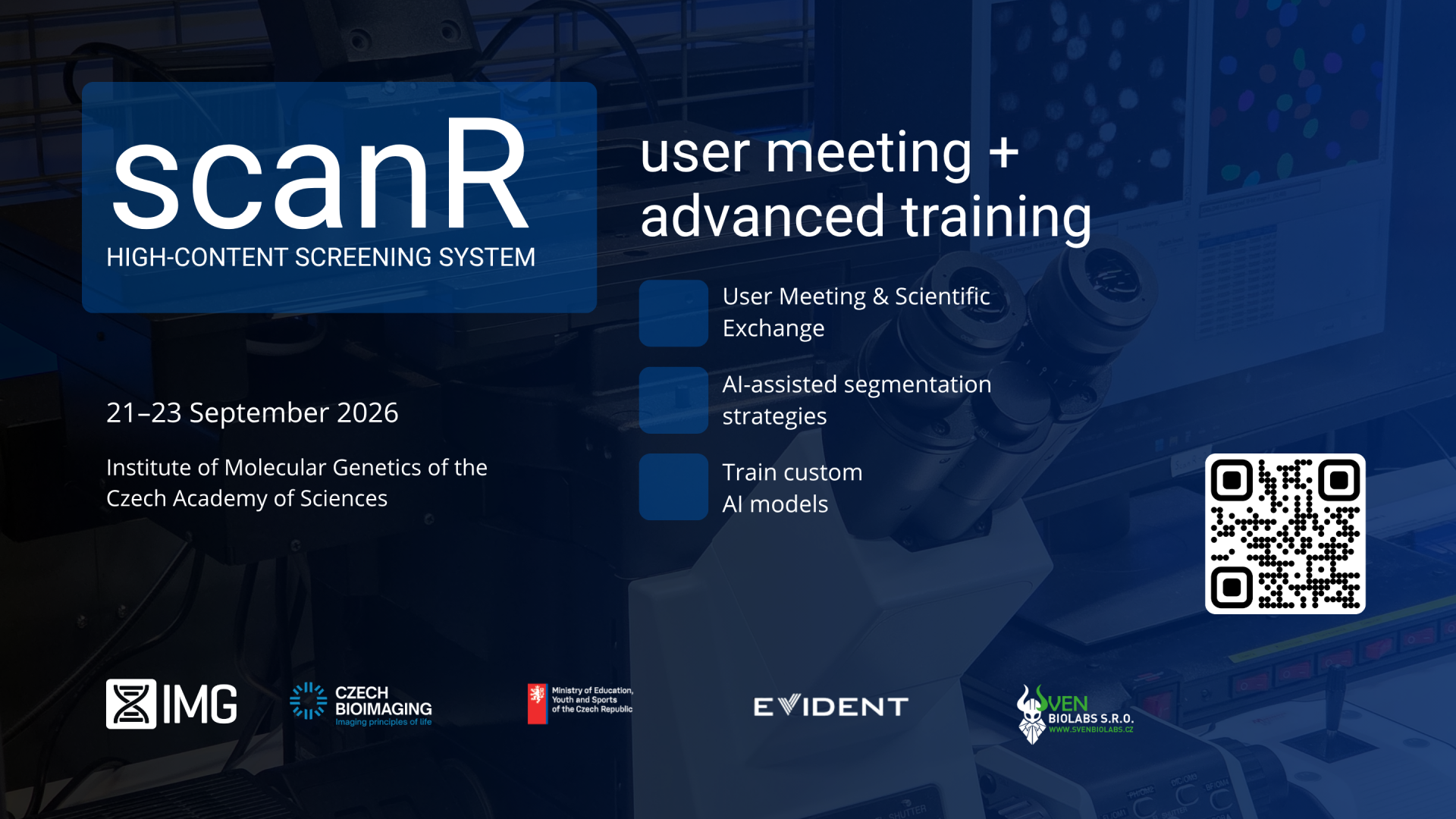
We are delighted to invite you to a three-day scanR User Meeting & Advanced AI Training focused on advanced image analysis and AI-assisted workflows in the scanR platform. The meeting is jointly organized by EVIDENT and the Light Microscopy Core Facility at IMG Prague which is a part of the Prague Node of Euro-BioImaging ERIC.
The event is intended for scanR users and researchers working with high-content microscopy. It combines a one-day user meeting with two days of practical hands-on training focused on AI-assisted segmentation, custom AI model training, user dataset processing, and integration of AI models into scanR analysis workflows.
Topics covered include:
The event is strongly supported by EVIDENT, with three application specialists, the lead software developer of the scanR platform, and additional experts from Japan joining us on site. This makes the training a unique opportunity to discuss advanced workflows, troubleshooting, and future developments of the scanR platform directly with the expert team.
The organizing team consists of Ivan Novotný and Jan Valečka from the Light Microscopy Core Facility at IMG Prague together with Pavel Moudrý from the DNA Replication Dynamics Group, Laboratory of Genome Integrity, Palacký University Olomouc.

International exchange is one of the most effective ways to advance scientific expertise. Earlier this month, Czech-BioImaging welcomed Vaishali Kailaje, Senior Scientific Assistant, Facility In-charge, Digital Imaging Facility at the Advanced Centre for Treatment, Research and Education in Cancer (ACTREC), Kharghar, Navi Mumbai, India, for a two-week visit through the Global BioImaging International Job Shadowing Program.
From 1 to 12 June 2026, Vaishali visited several Czech-BioImaging facilities in Prague, gaining hands-on experience with state-of-the-art imaging technologies while working alongside imaging specialists from across our network. Her programme combined one-on-one mentoring, practical training on cutting-edge imaging platforms, and participation in the Super-Resolution in Light Microscopy Course, offering a comprehensive overview of the expertise and technologies available within Czech-BioImaging.
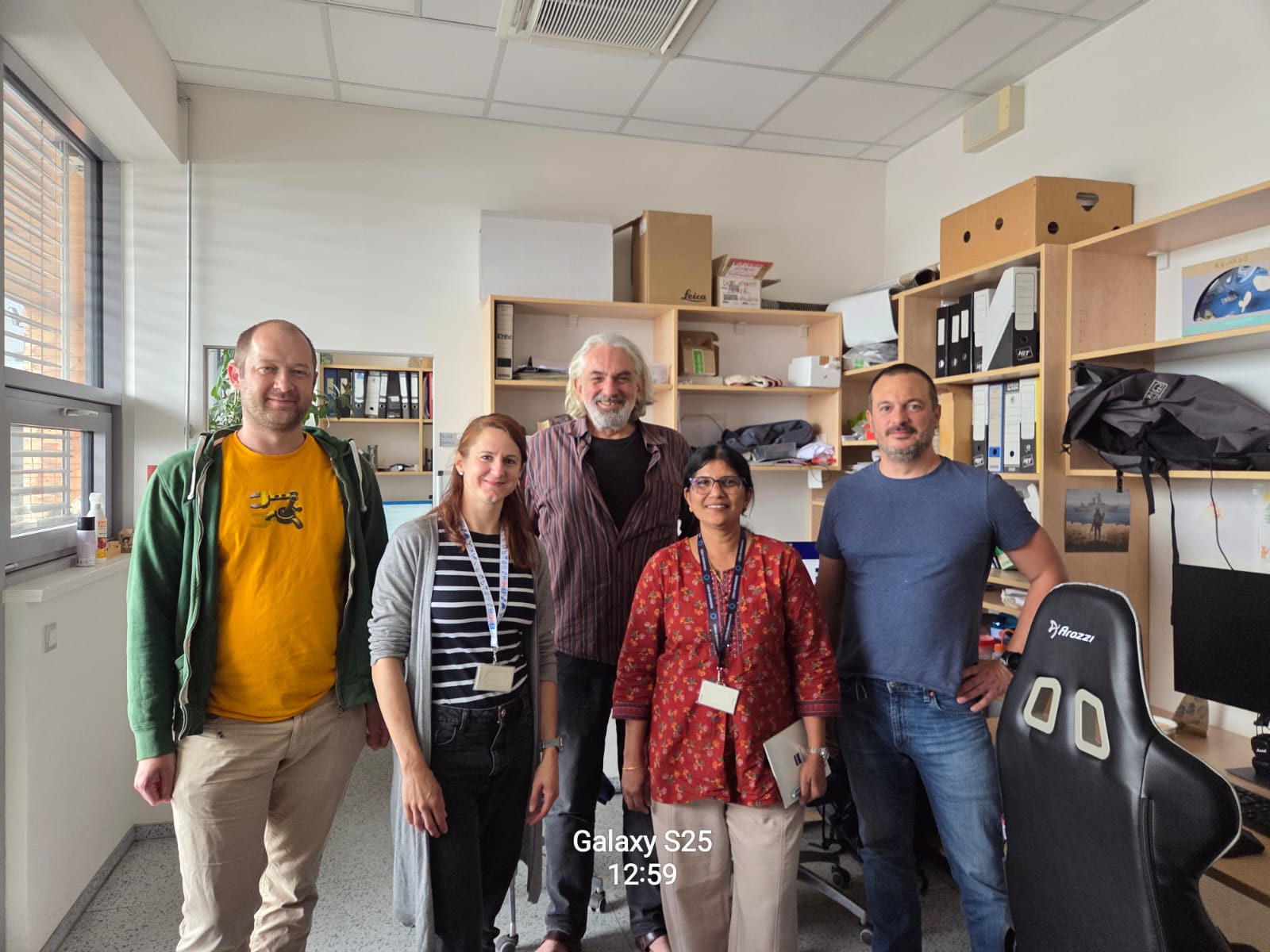
Vaishali Kailaje (second from right) with the IMG Light Microscopy Core Facility team: Jan Valečka, Michaela Blažíková, Ondrej Horváth and Ivan Novotný.
Reflecting on her objectives, Vaishali explains: “The primary goal of my visit was to gain hands-on experience with fluorescence techniques such as FRET, FRAP, FLIM, and FCS, as well as super-resolution methods including STED, SIM, STORM, and PALM. I am delighted to say that this objective was fully achieved thanks to the excellent guidance and support provided by the experts and mentors I had the privilege of meeting.”
During her stay, Vaishali trained across four Czech-BioImaging facilities in Prague. At the Imaging Methods Core Facility of BIOCEV (CUNI IMCF BIOCEV), she explored label-free imaging, FLIM, FCS, lattice light-sheet microscopy and STED. At the Light Microscopy Core Facility (IMG LM), she focused on live-cell imaging, high-content screening, FLIM-FRET, TIRF and spinning disk microscopy while participating in the Super-Resolution in Light Microscopy Course. At the Institute of Physiology BioImaging Facility (IPHYS BIF), she gained experience with Brillouin microscopy alongside label-free imaging and FLIM. Her programme concluded at the Institute of Experimental Medicine Microscopy Service Centre (IEM MSC), where she explored live-cell super-resolution imaging using Airyscan, intravital imaging of mice brain and image analysis using Imaris software.
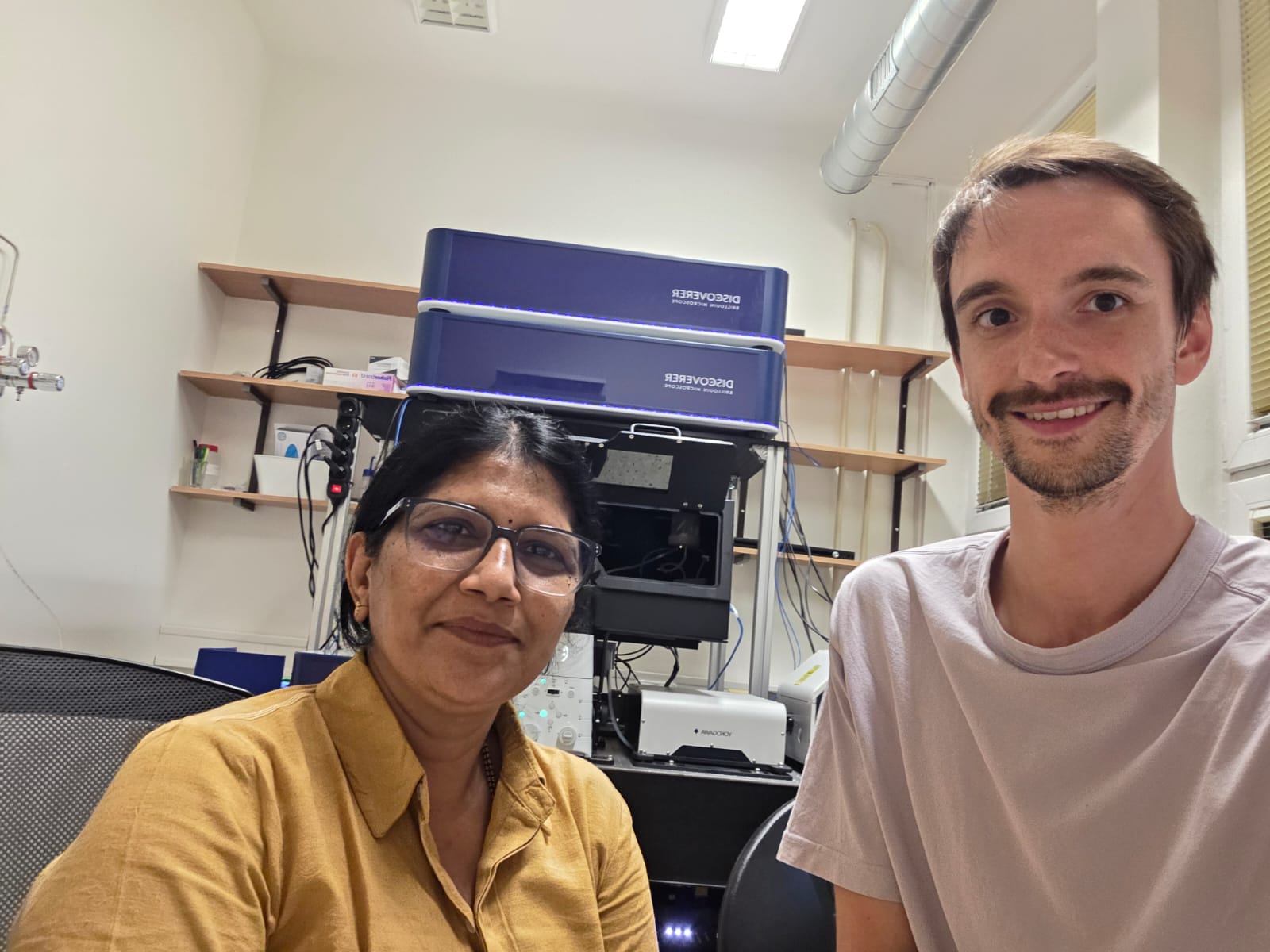
At the IPHYS BIF with Šimon Vrana in front of the Brillouin microscope.
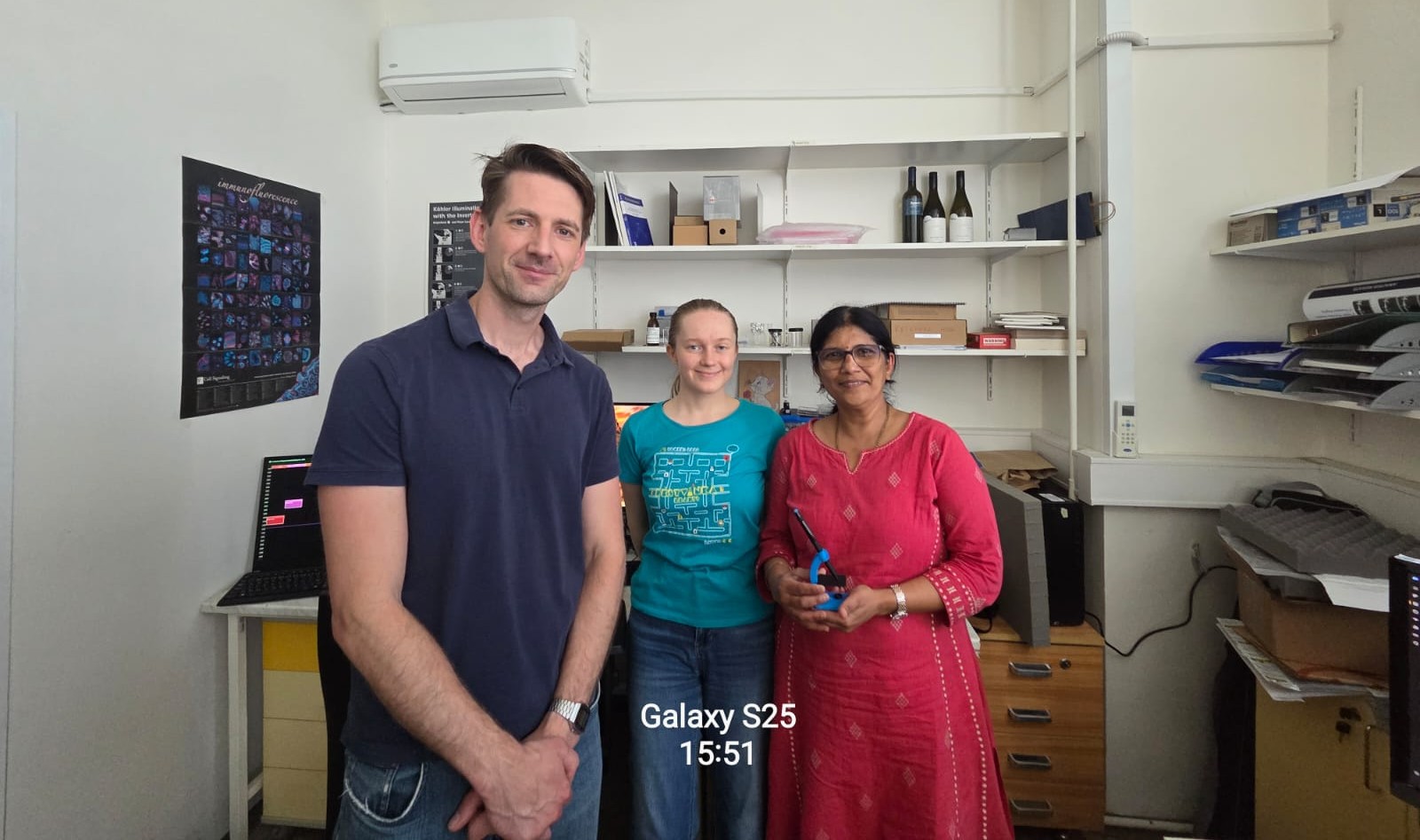
At the IEM MSC with Štěpán Kortus and Iva Švecová.
Throughout the programme, Vaishali received practical training on the Leica STED system, Zeiss Elyra for SIM and TIRF-SMLM, Olympus SoRa and ScanR systems, the Discoverer™ Brillouin Microscope, the NanoLive label-free imaging system, and the Akoya multiplex imaging platform. She also observed correlative cryo-electron microscopy workflows and intravital mouse brain imaging for the first time – these experiences she describes as among the highlights of her visit.
Working closely with imaging specialists across the Czech-BioImaging network, Vaishali particularly appreciated the openness with which the teams shared their expertise, workflows, and protocols. A highlight of the programme was the Super-Resolution in Light Microscopy Course, whose combination of lectures and extensive practical sessions significantly deepened her understanding of super-resolution imaging and the optimization of acquisition parameters. She expressed special thanks to Ivan Novotný for enabling her participation in the course and for creating an excellent learning environment.
Beyond developing technical skills, the visit created valuable opportunities to build professional relationships across the Czech-BioImaging community. These new connections will continue beyond the job shadowing, providing a network of colleagues she can turn to for advice and future collaboration. The knowledge and experience gained during the programme will support the further development of imaging applications and instrumentation at ACTREC, strengthening the facility’s ability to support researchers interested in advanced microscopy techniques.
Looking back on her two weeks with Czech-BioImaging, Vaishali says the experience extended far beyond learning new microscopy techniques. “My visit was much more than a training course—it was a journey that fostered knowledge, friendships, and future collaborations.”
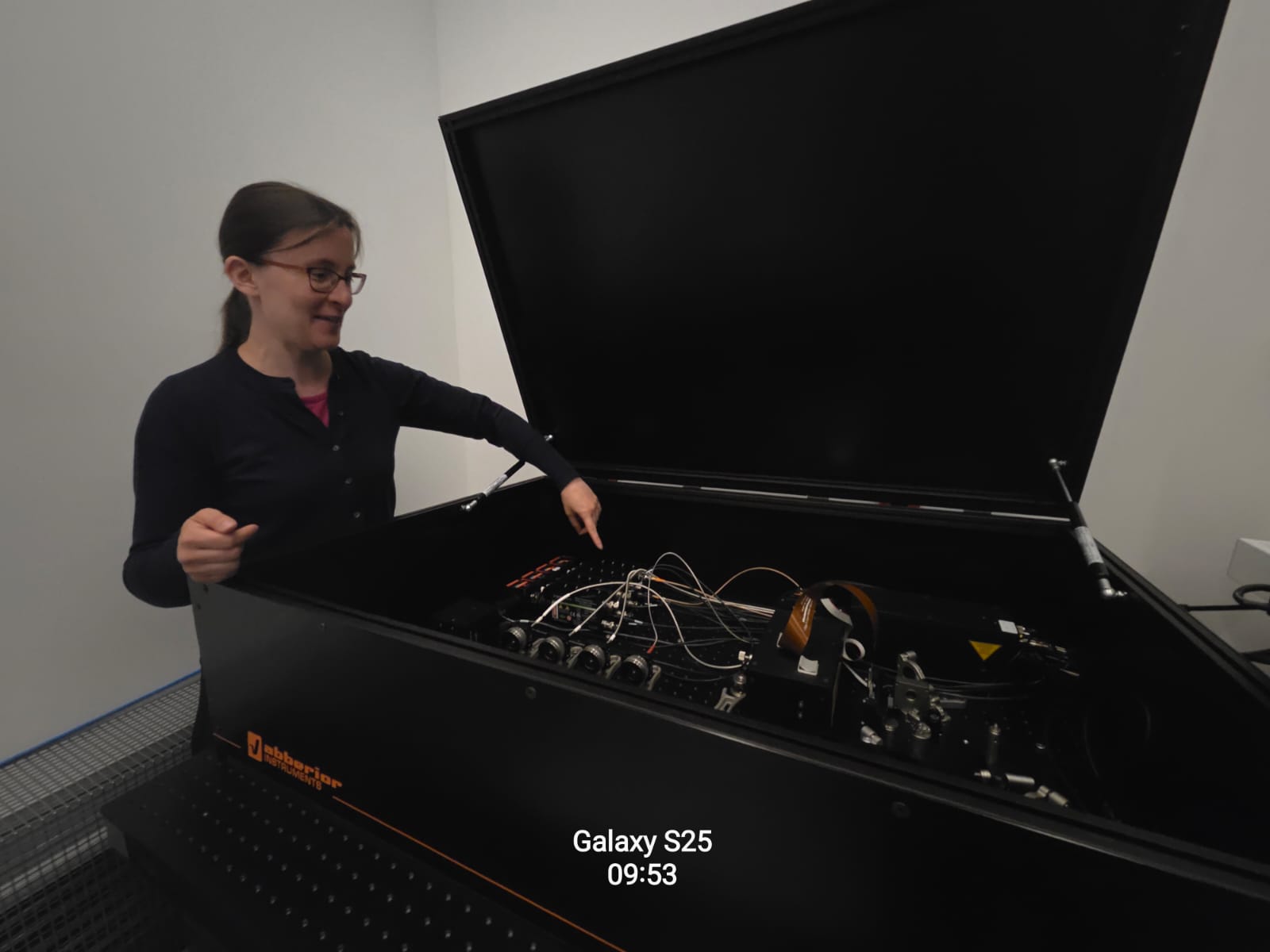
Marie Olšinová showing the Abberior Instruments STED microscope at the CUNI IMCF BIOCEV.
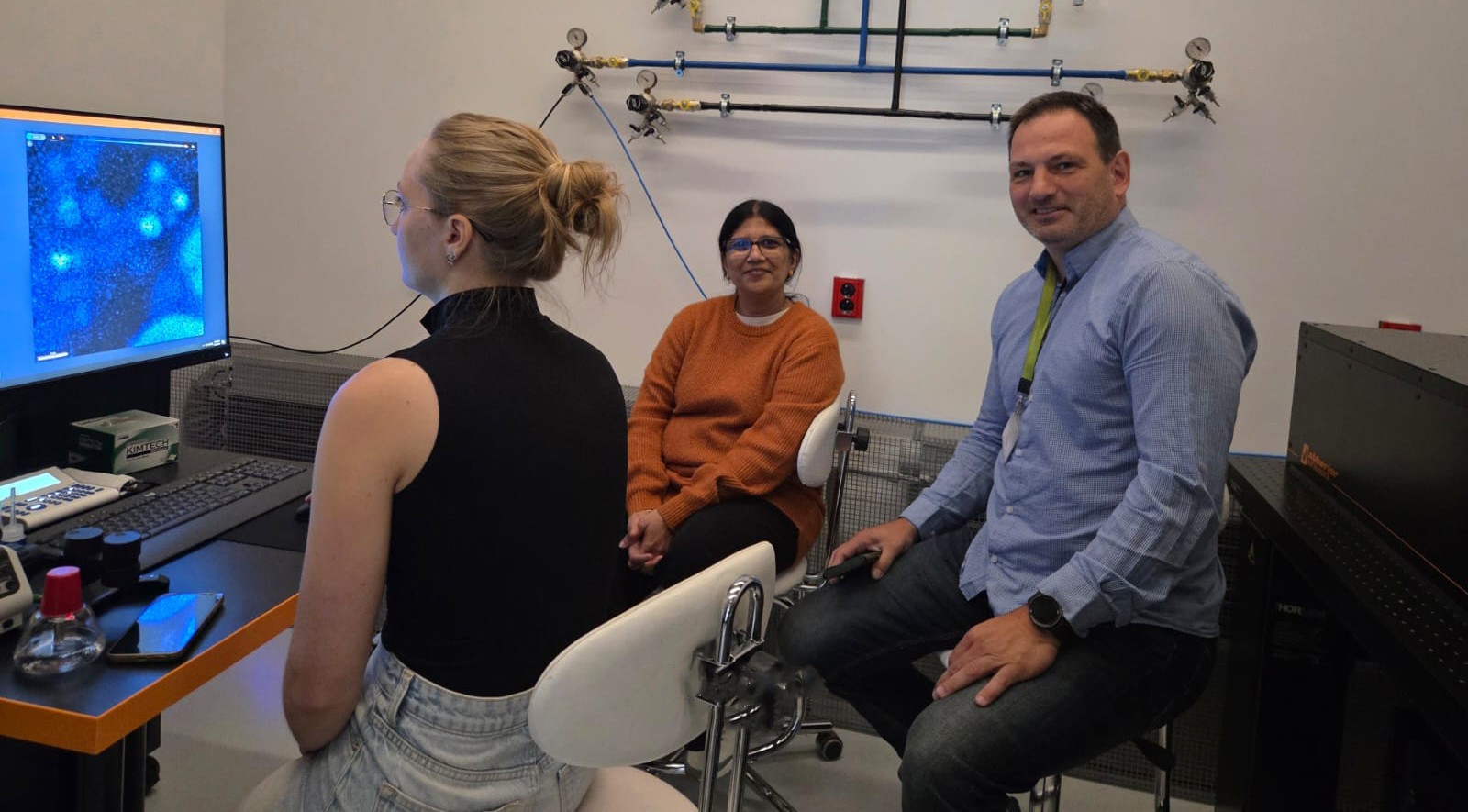
Kateřina Paldusová from the J. Heyrovský Institute of Physical Chemistry, a Czech-BioImaging user, reviewing STED microscopy images with Aleš Benda.
Vaishali’s visit was made possible through the Global BioImaging International Job Shadowing Program, which supports international exchange between imaging facilities worldwide. She expressed her sincere gratitude to the Global BioImaging community for the travel grant that made the visit possible, to India BioImaging for introducing her to the Global BioImaging platform, and to the Czech-BioImaging network for providing such an outstanding learning opportunity. She noted that the experience had been immensely enriching, both professionally and personally, and that the knowledge, friendships, and professional connections established during her stay would remain invaluable throughout her career.
International exchanges like this demonstrate the value of sharing expertise across imaging communities. We were delighted to welcome Vaishali to the Czech-BioImaging network and look forward to seeing the new collaborations and scientific advances that grow from this experience.
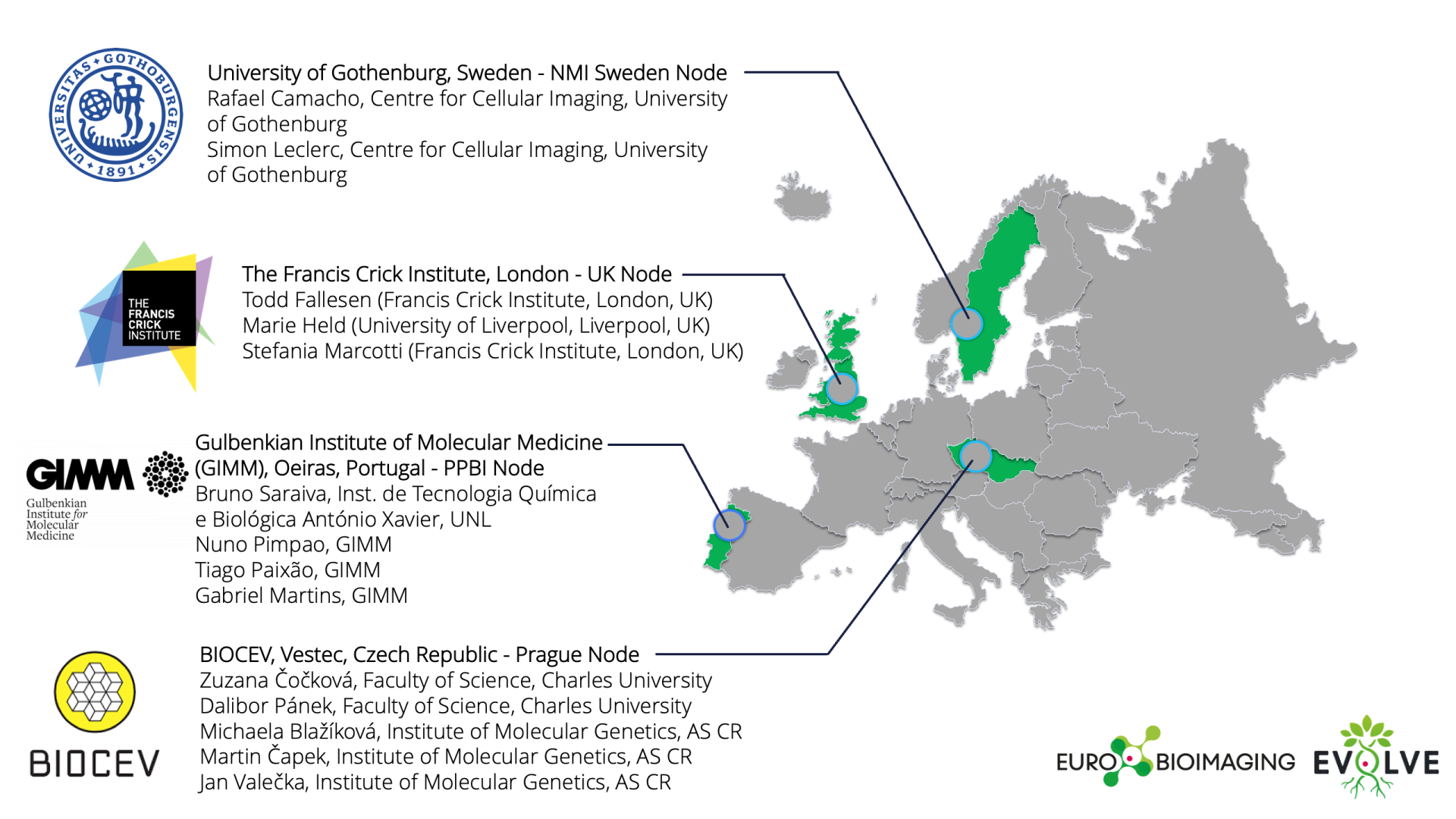
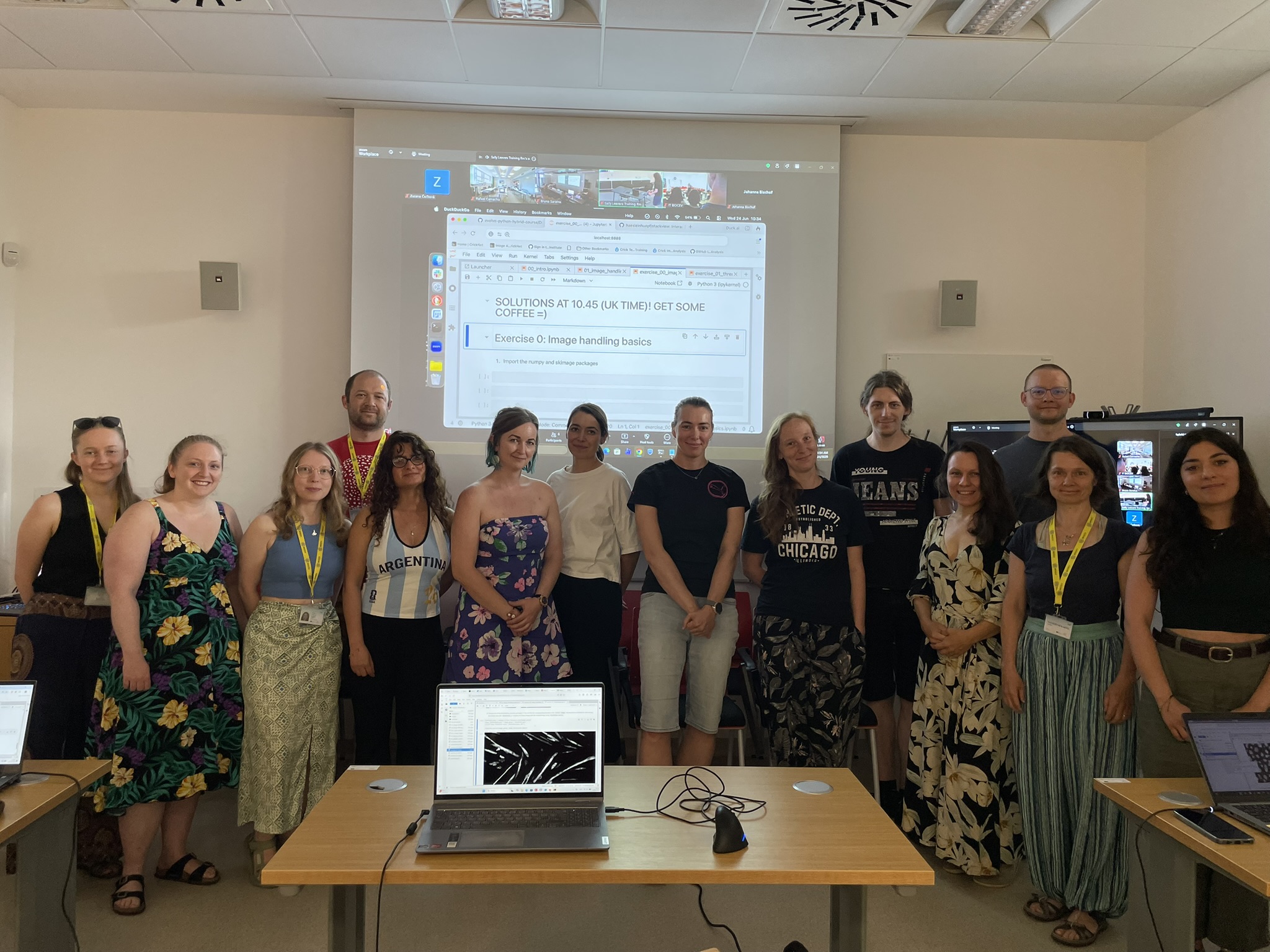
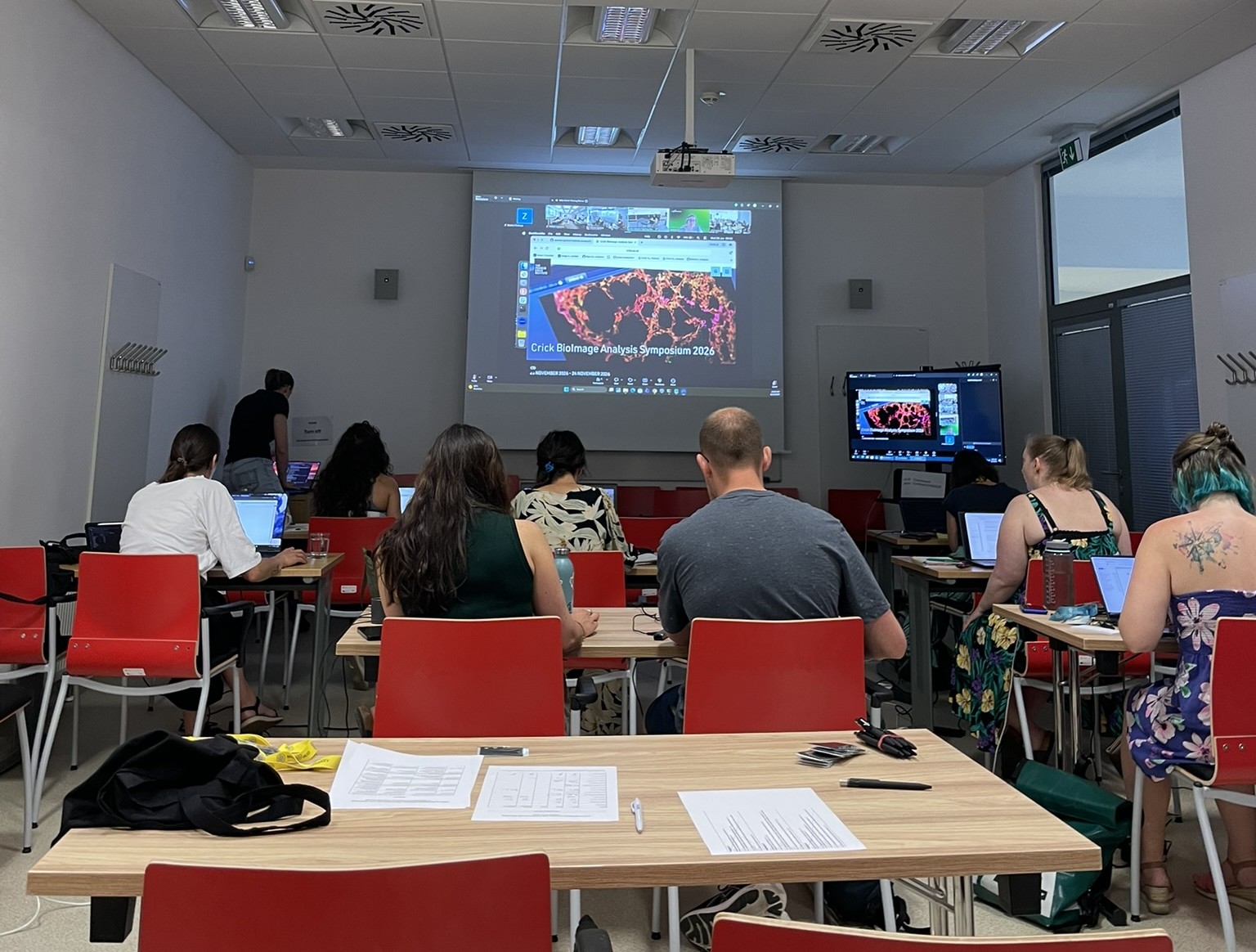
From 23 to 25 June 2026, Czech-BioImaging, through its CUNI IMCF BIOCEV facility, welcomed 11 participants to the Prague edition of the Intro to BioImage Analysis with Python course. Together with several staff members from Czech-BioImaging Core Facilities, they formed part of a total of 55 participants registered across all four host sites. The three-day training organized by the Euro-BioImaging ERIC formed part of the EVOLVE project and provided life scientists with practical experience in modern bioimage analysis using Python and Jupyter notebooks.
The course was organised as a distributed hybrid event across four Euro-BioImaging Nodes, allowing participants to attend in person at their local site while joining a shared international programme of lectures and hands-on sessions. Alongside the Prague Node hosted by the IMCF BIOCEV facility, the training took place simultaneously at the University of Gothenburg (NMI Sweden Node), the Gulbenkian Institute for Molecular Medicine (PPBI Node, Portugal) and The Francis Crick Institute (UK Node). This collaborative format combined local support from trainers with opportunities to learn and interact with participants and experts across Europe.
The programme introduced participants to reproducible bioimage analysis workflows in Python. During practical sessions, they worked with Jupyter notebooks to learn image processing techniques, segmentation, feature extraction and workflow automation. The course also explored recent developments in AI-based image analysis, including neural networks, deep learning and the use of pre-trained models from the BioImage Model Zoo for microscopy data analysis.
A valuable contribution to the Prague edition came from Zuzana Čočková, data analyst at the CUNI IMCF BIOCEV facility, who joined the programme as a lecturer on the final day. During her half-day session, she introduced participants to accessible, ready-to-use deep learning tools for bioimage analysis, showing that powerful AI methods are within reach for scientists even without extensive technical experience. In the hands-on part, participants segmented cells and organelles in bioimages of diverse modalities and sample types using Cellpose, empanada-napari, and pre-trained community models available through the BioImage Model Zoo. The practical sessions were supported throughout the course by staff members from the CUNI IMCF BIOCEV and IMG LM Core Facilities, who provided guidance and assisted with individual questions and troubleshooting.
Reflecting on both the importance of Python in modern life sciences and the enthusiastic response from participants, Zuzana said: “In my humble opinion, Python skills are becoming really important for life scientists. Even getting the basics down means you can analyse your data reproducibly, and it gives you flexibility you just don’t get with closed software. And since most modern AI tools are written in Python, once you’re comfortable in it you can plug these cool methods straight into your workflows. Judging from the number of participants who attended the course, the interest is huge — and I’ve already had people asking when the next one is going to be!” The strong interest shown by participants highlighted the growing demand for practical training in reproducible bioimage analysis and modern computational methods.
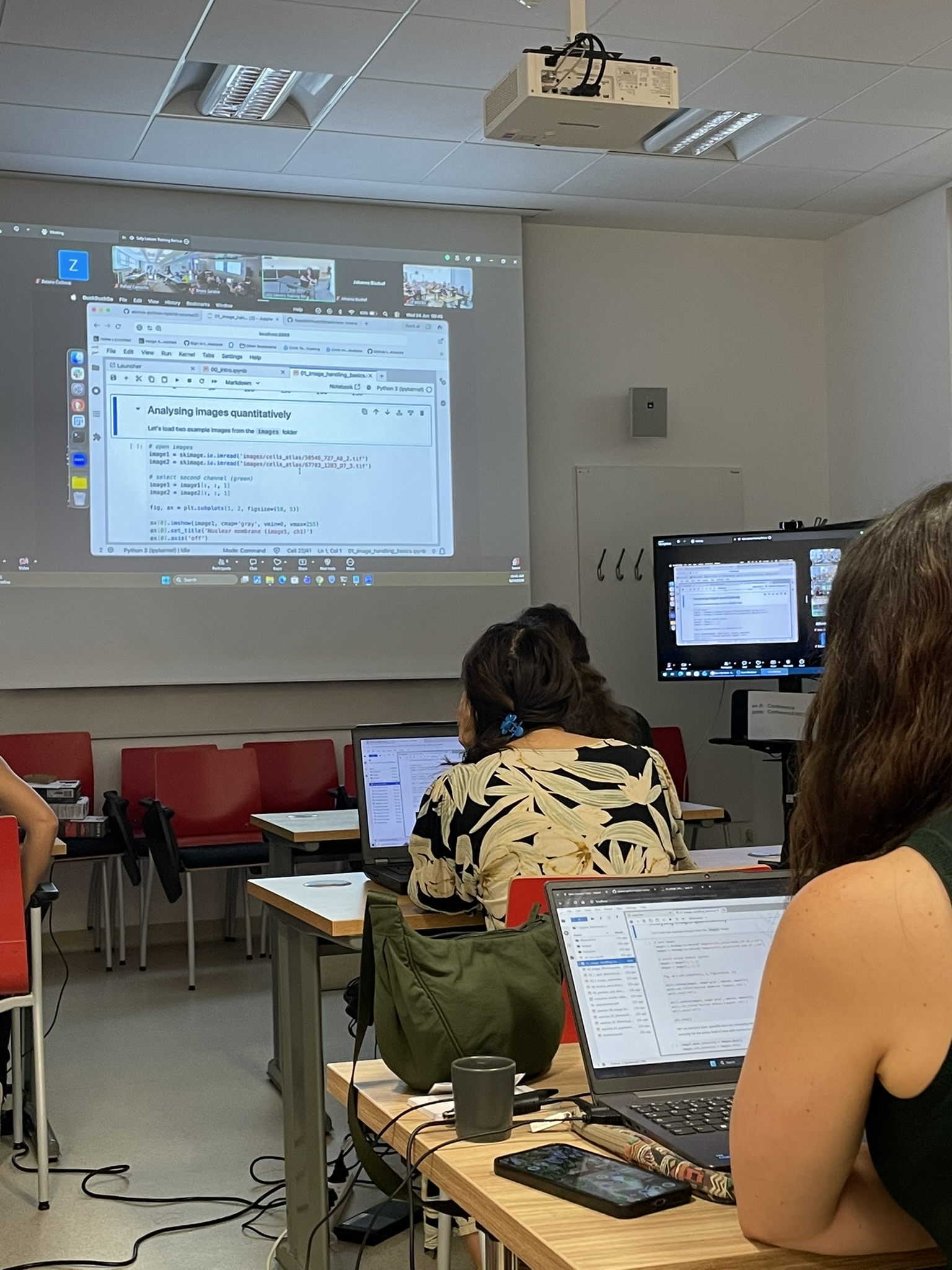
Beyond developing technical skills, the distributed format encouraged the exchange of knowledge between researchers from different institutions and countries, illustrating the value of coordinated training within the Euro-BioImaging community. By hosting the Prague edition through its CUNI IMCF BIOCEV facility, Czech-BioImaging contributed to strengthening bioimage analysis expertise and promoting reproducible image analysis practices within the life sciences.
We thank all participants, trainers and partner Nodes for making the course a success!
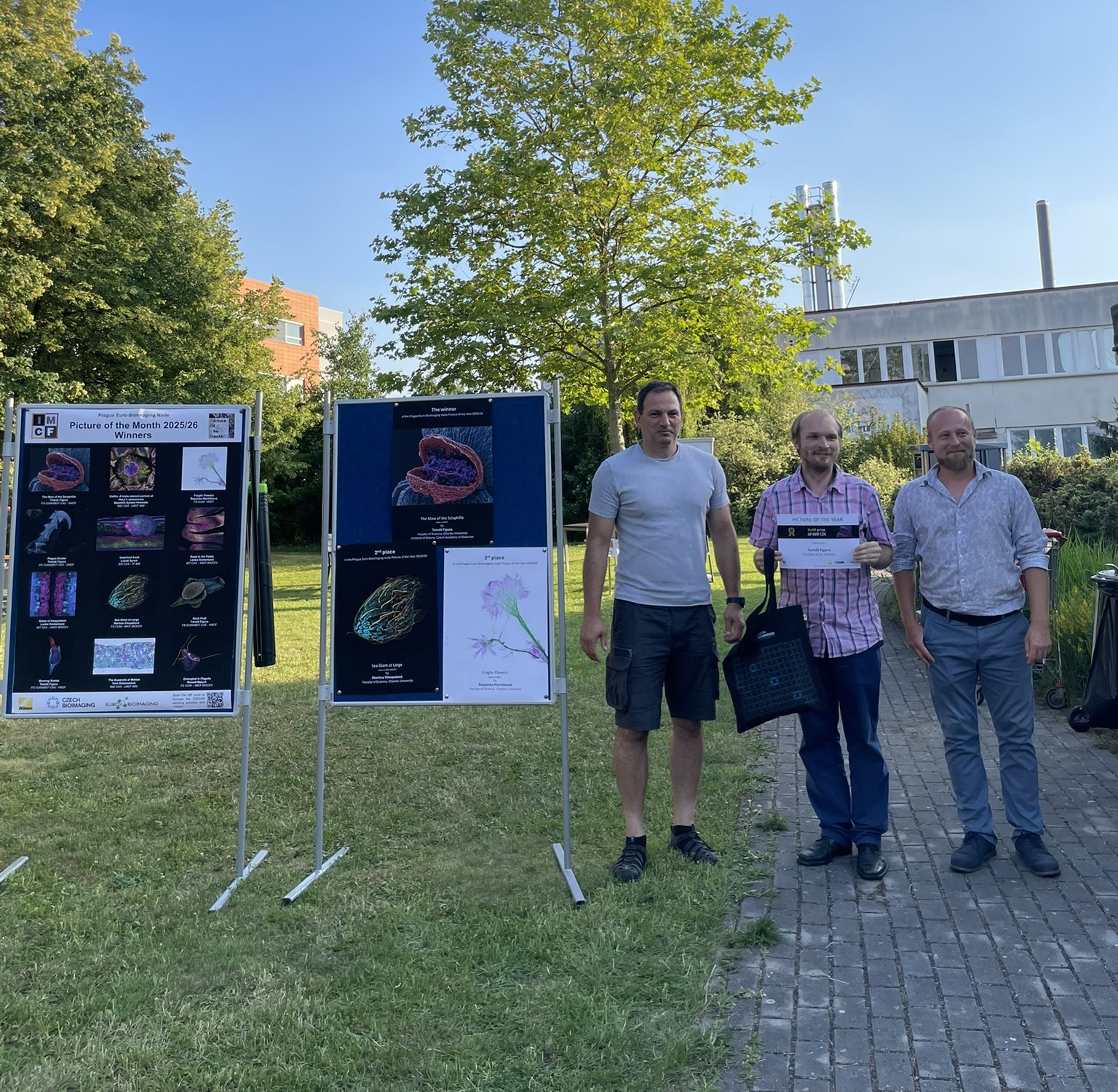
One of the highlights of this year’s Photons, Electrons, and Sausages – User Meeting and BBQ 2026 (read more here) was the announcement of the winners of the Prague Node Picture of the Year 2026 competition, sponsored by Nikon.
The competition celebrates outstanding microscopy images created by users of the Euro-BioImaging Prague Node, showcasing both scientific excellence and the beauty of the microscopic world.
🥇 1st place: The Maw of the Sciaphilla by Tomáš Figura
Institution: Faculty of Science, CUNI
Taken at: CUNI VMCF
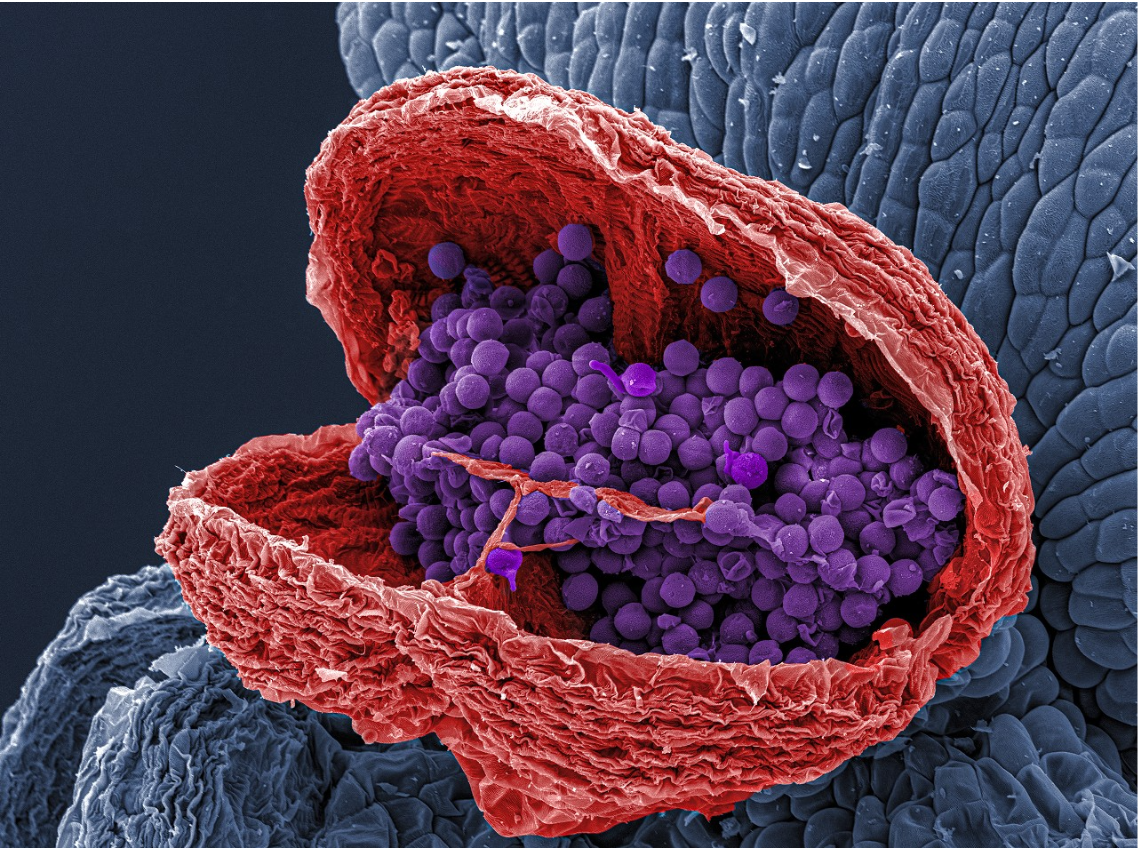
The image reveals the flower’s delicate reproductive structures, with blue tepals surrounding red stamens bearing violet pollen. Three germinating pollen grains are visible in dark violet, capturing the early stages of fertilisation. Instrument/software: JEOL JSM-IT200 Scanning Electron Microscope (SEM), Adobe Photoshop.
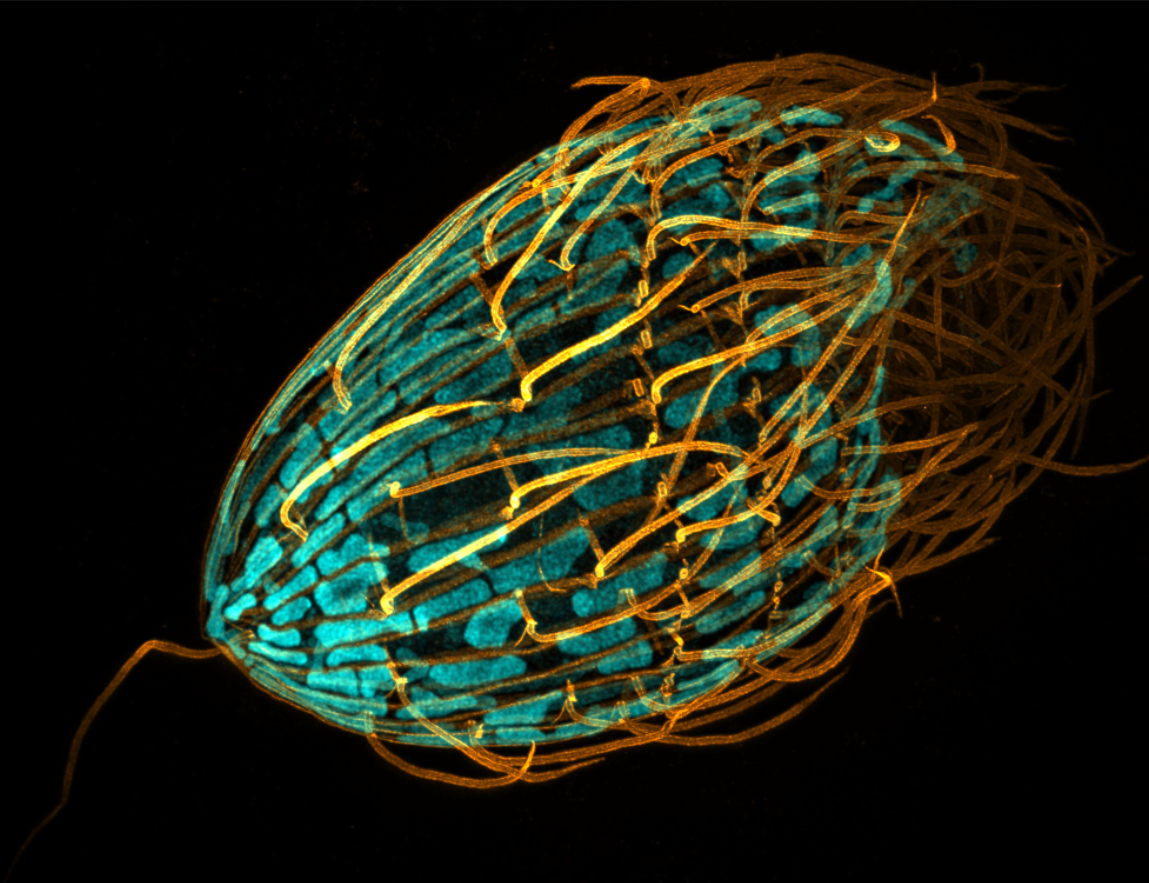
🥈 2nd place: Sea Giant at Large by Martina Vinopalová
Institution: Faculty of Science, CUNI
Taken at: CUNI IMCF BIOCEV
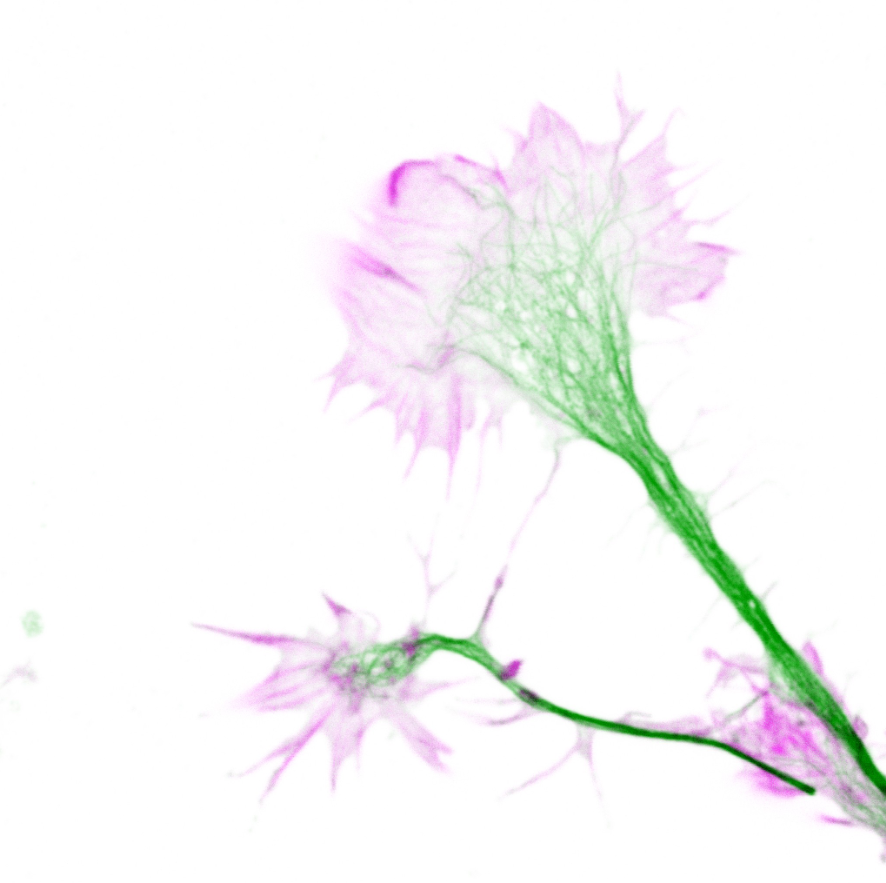
🥉 3rd place: Fragile flowers by Štěpánka Martišková
Institution: Faculty of Science, CUNI
Taken at: CUNI VMCF
Martina presents an expansion microscopy image of a marine ciliate collected from the seashore of Uruguay. The image highlights the organism’s cilia (orange, acetylated tubulin) responsible for locomotion, together with the characteristic alveolar plates (cyan, NHS ester) that form part of its cell cortex. Instrument/software: Nikon CSU-W1, Huygens, Fiji, Imaris.
Štěpánka’s image showcases growth cones of differentiated SH-SY5Y neuronal cells. The image visualises the dynamic structures at the tips of growing neurites, where microtubules (green) and actin filaments (magenta) coordinate cell movement and axon guidance during neuronal development. Instrument/software: Leica SP8, ImageJ.
Congratulations to all winners and thank you to everyone who contributed their microscopy images throughout the past year. We also thank Nikon for sponsoring the prizes awarded to this year’s three winners.
The 2026–2027 Prague Node Picture of the Year competition is now underway.
From June 2026 through May 2027, a Picture of the Month will be selected each month from images submitted by users of the Euro-BioImaging Prague Node. The twelve monthly winning images will automatically qualify for the Prague Node Picture of the Year 2027 competition.
Researchers and facility users of the Prague Node are invited to submit their best microscopy images throughout the year, showcasing both scientific discoveries and the beauty of the microscopic world.
Find all eligibility criteria, submission requirements and competition rules in the Picture of the Month guidelines, and follow the Picture of the Monthly winners page to see each month’s selected image as the competition unfolds.
We congratulate this year’s winners once again and look forward to another year of outstanding microscopy images from the Prague Node imaging community.
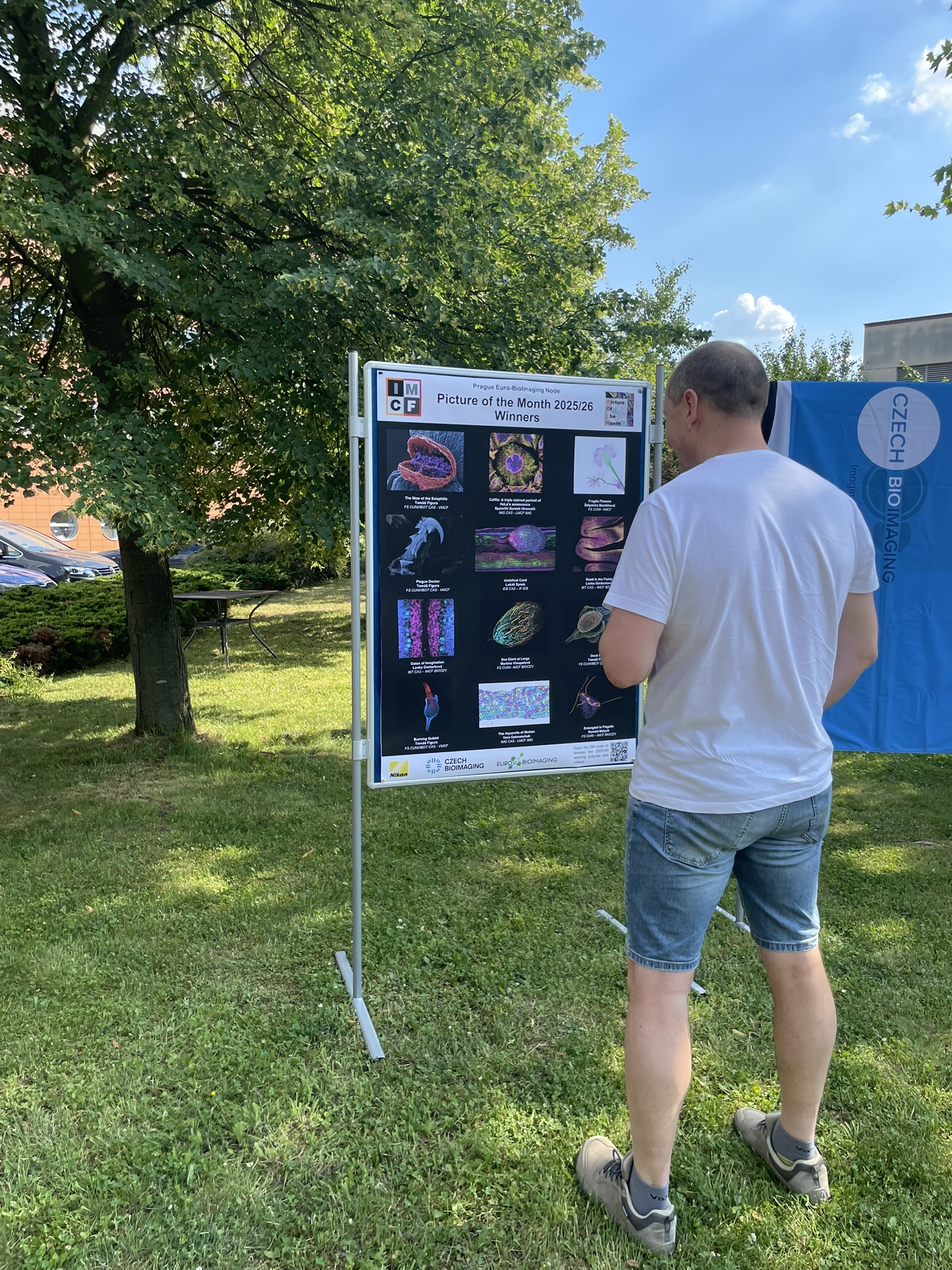
On 25 June 2026, Czech-BioImaging users, facility staff and microscopy enthusiasts came together for Photons, Electrons, and Sausages – User Meeting and BBQ 2026. The afternoon combined microscopy-themed activities with networking over food and drinks, bringing members of the imaging community out of the labs and into the sunshine at the IMG pond area to meet, exchange experiences and learn more about the facilities that support their research.
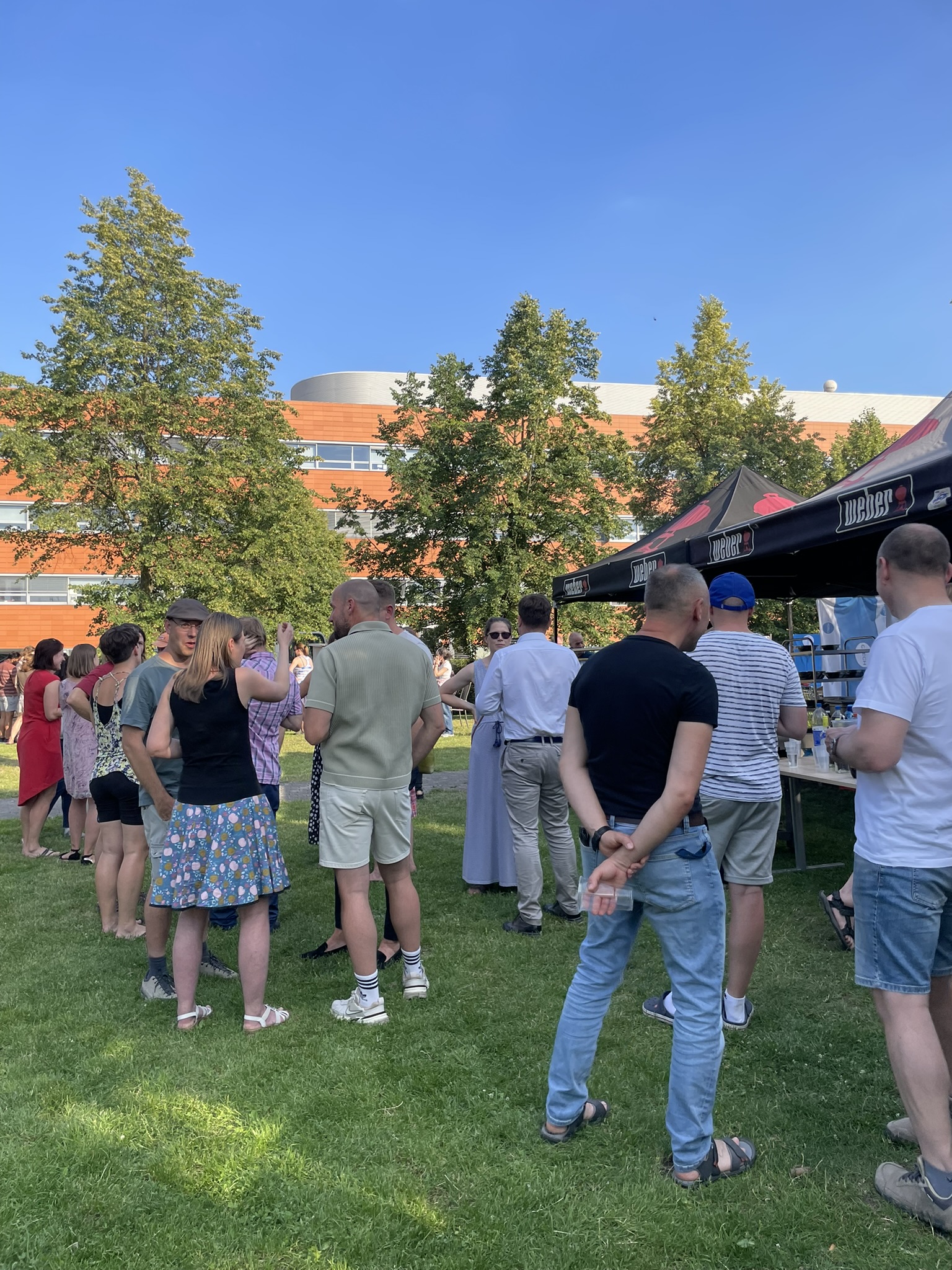
The event was organised by the Prague facilities of Czech-BioImaging and the Prague Node of Euro-BioImaging. Around 100 participants attended the event, including facility staff, users and representatives of industry partners such as SVEN BioLabs, Carl Zeiss, TESCAN, Optixs, Nikon, Specion and MtM, highlighting the strong collaboration between research infrastructures, academia and industry within the Czech-BioImaging microscopy community.
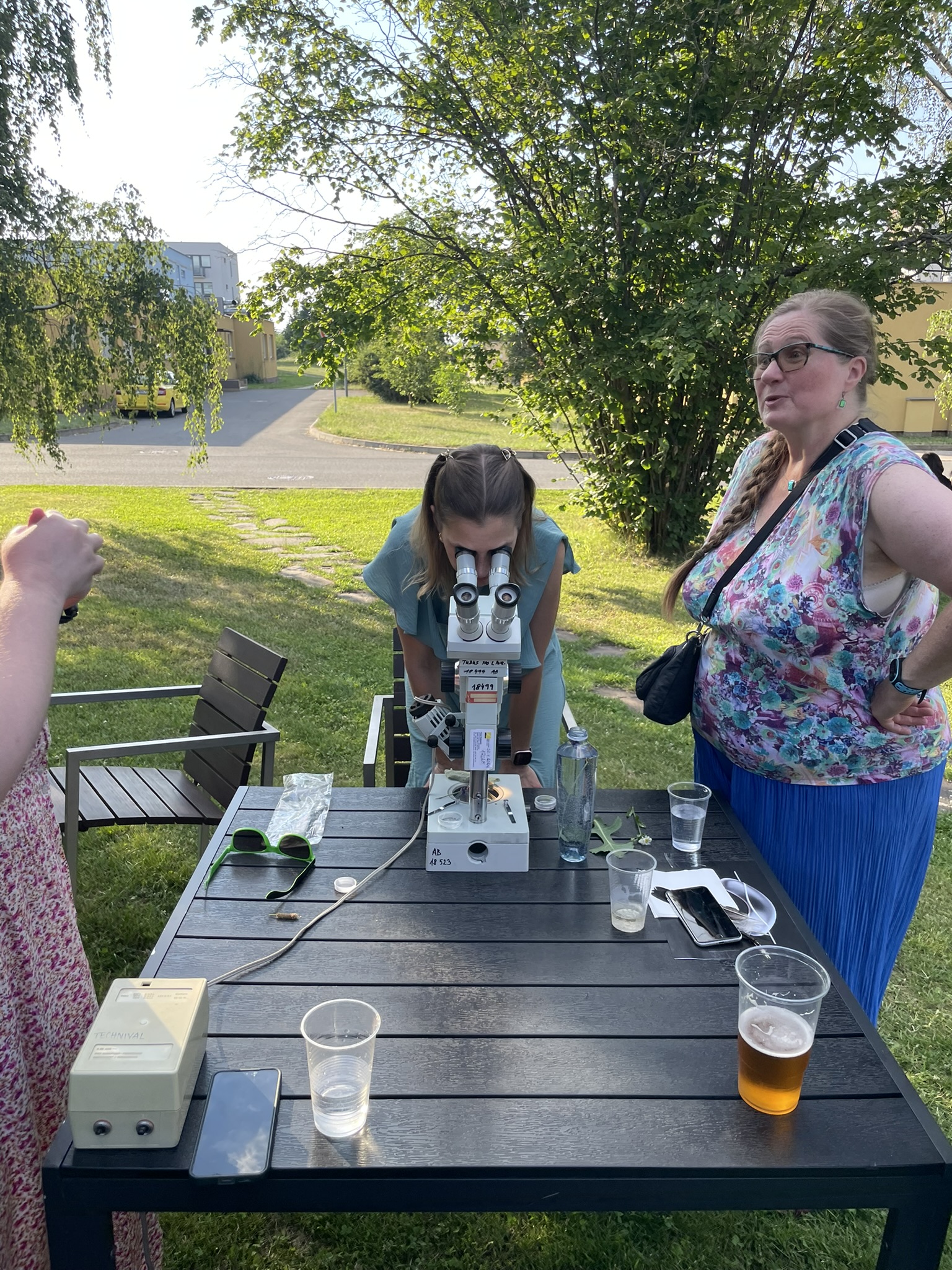
Throughout the afternoon, each facility presented a microscopy-inspired activity, giving participants the opportunity to discover different imaging techniques in a fun and interactive way. Visitors tested their knowledge of fluorescent proteins in FP Battles hosted by IPHYS BIF, challenged their memory and reflexes at the Brainstorm Station prepared by CUNI BIOCEV IMCF, tried a miniature version of curling in MicroCurling organised by IEM MCF, experienced crucial steps of electron microscopy sample preparation in Catch & Carry presented by IMG EM CF, and explored the fascinating properties of plants under the microscope in Fascination by Plants with IEB IF.
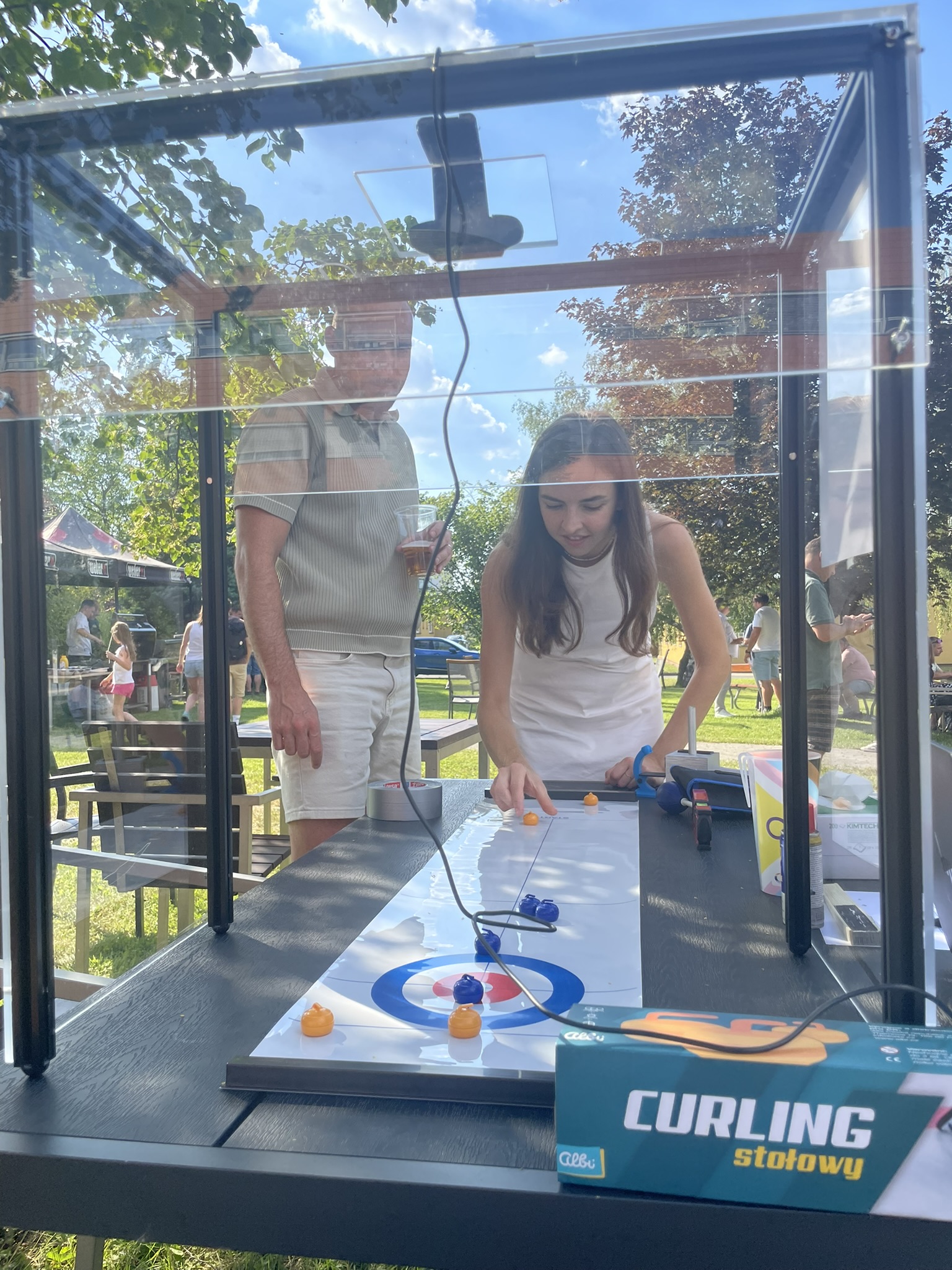
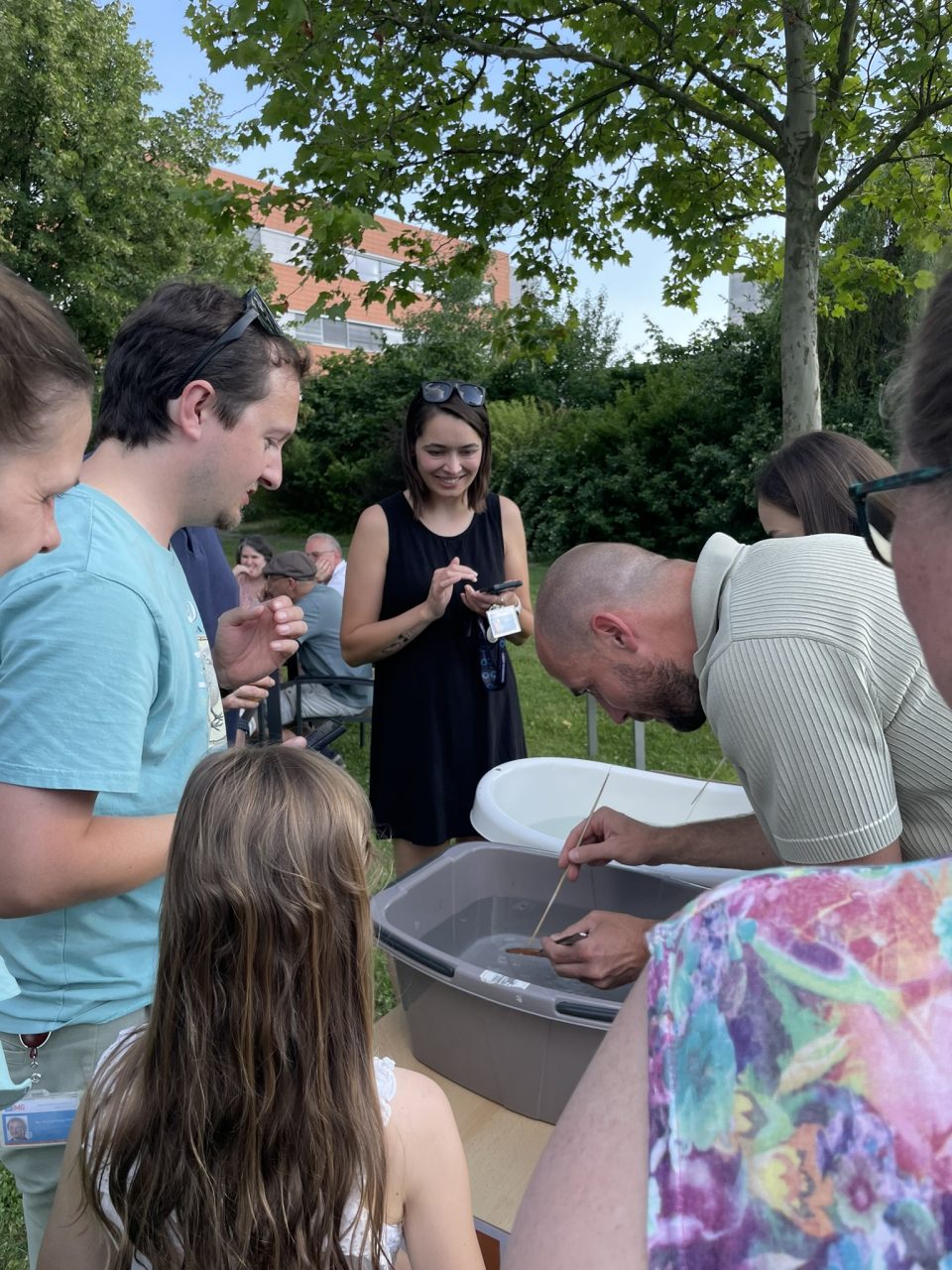
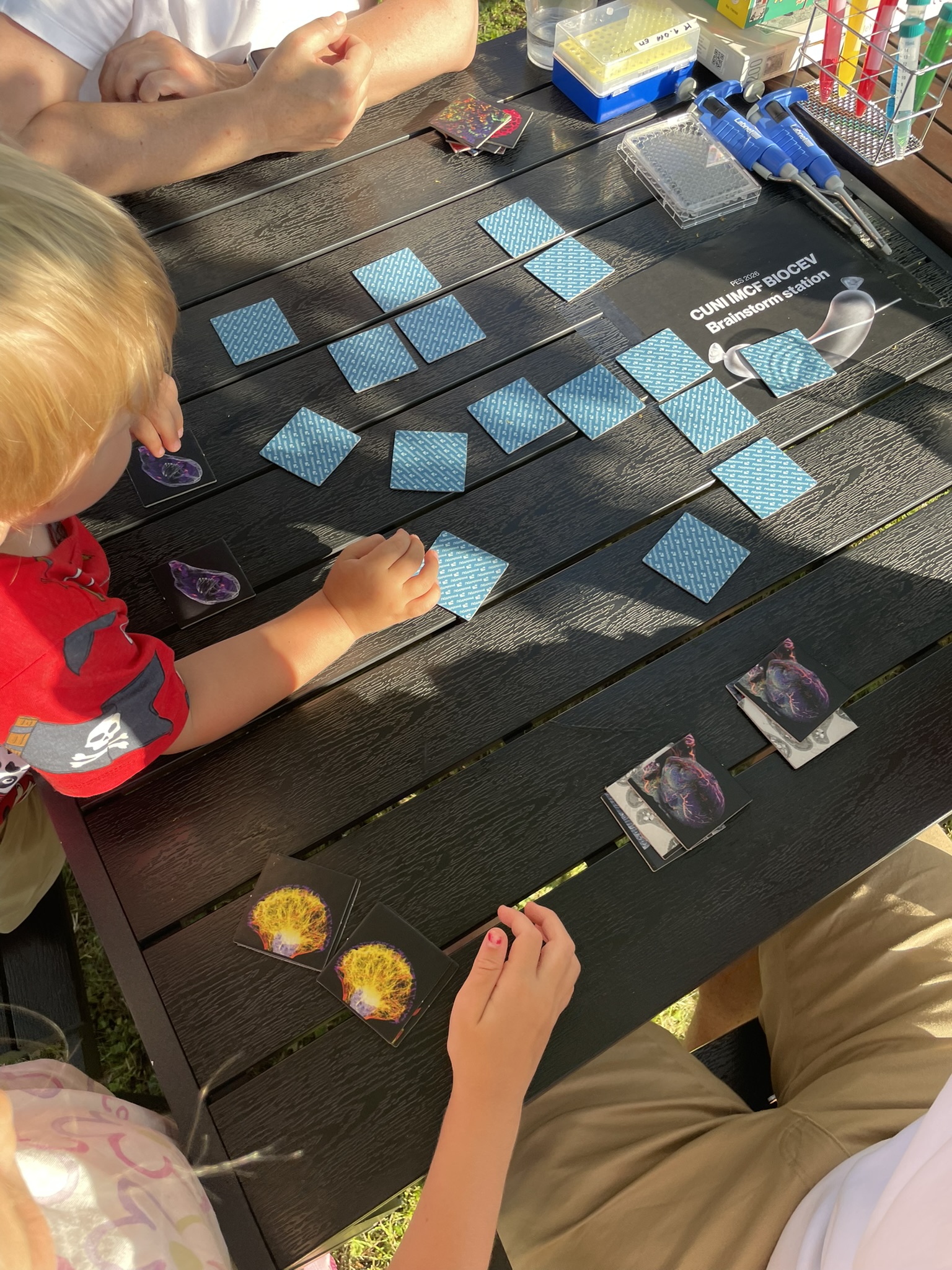
One of the highlights of the evening was the announcement of the Picture of the Year 2026 winners, sponsored by Nikon, followed by the announcement of the winning facility gig. Congratulations to all participants who contributed to this year’s competition and activities. Read more about the Picture of the Year 2026 winners and the launch of the new competition season here.
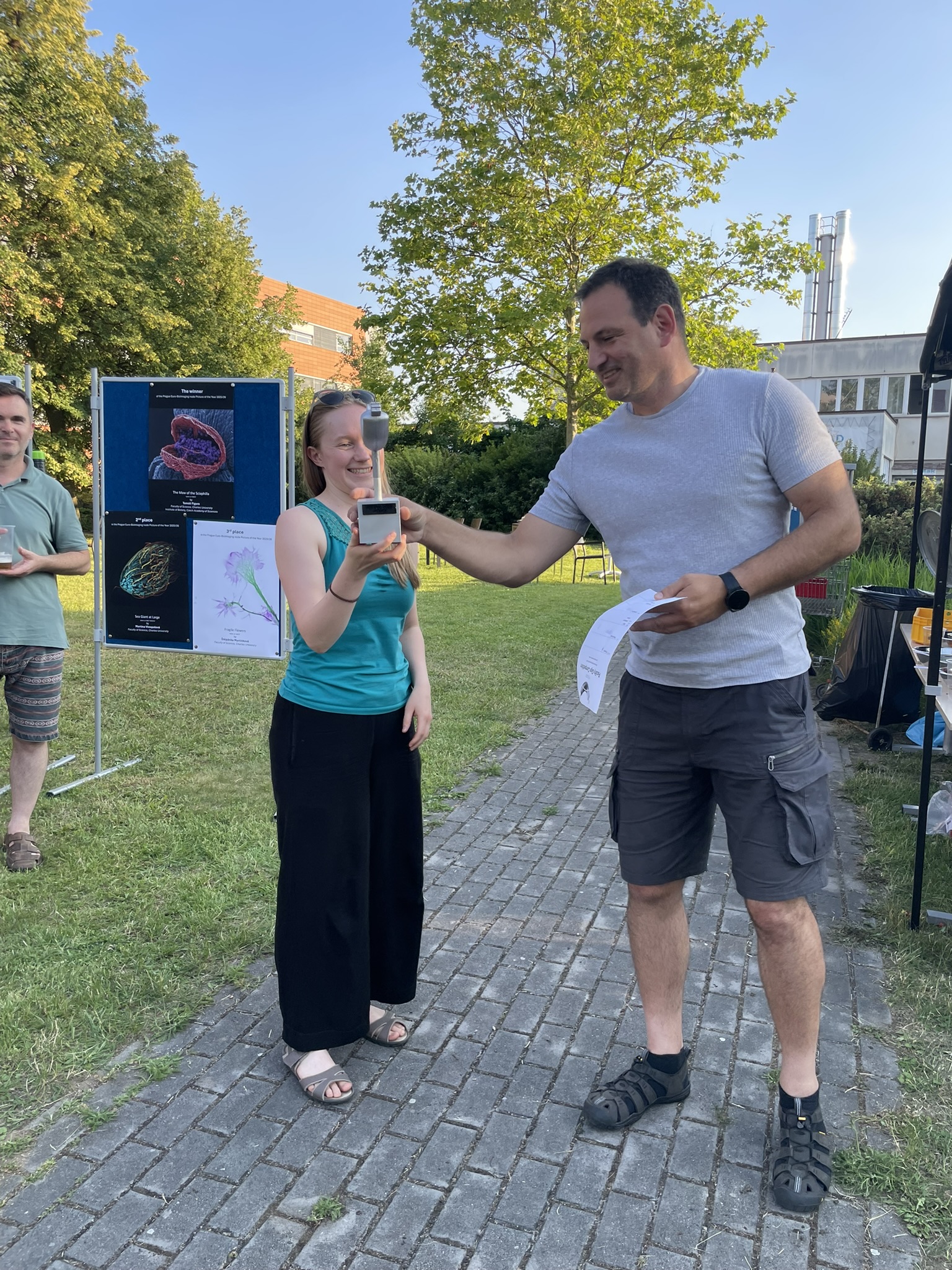
The event was also attended by Euro-BioImaging Scientific Ambassador Markéta Schmidt Černohorská from Jan Evangelista Purkyně University in Ústí nad Labem. Throughout the afternoon, she engaged with participants and introduced opportunities offered by Euro-BioImaging, including access to cutting-edge imaging technologies and services, international collaboration and the benefits of engaging with the Euro-BioImaging community.
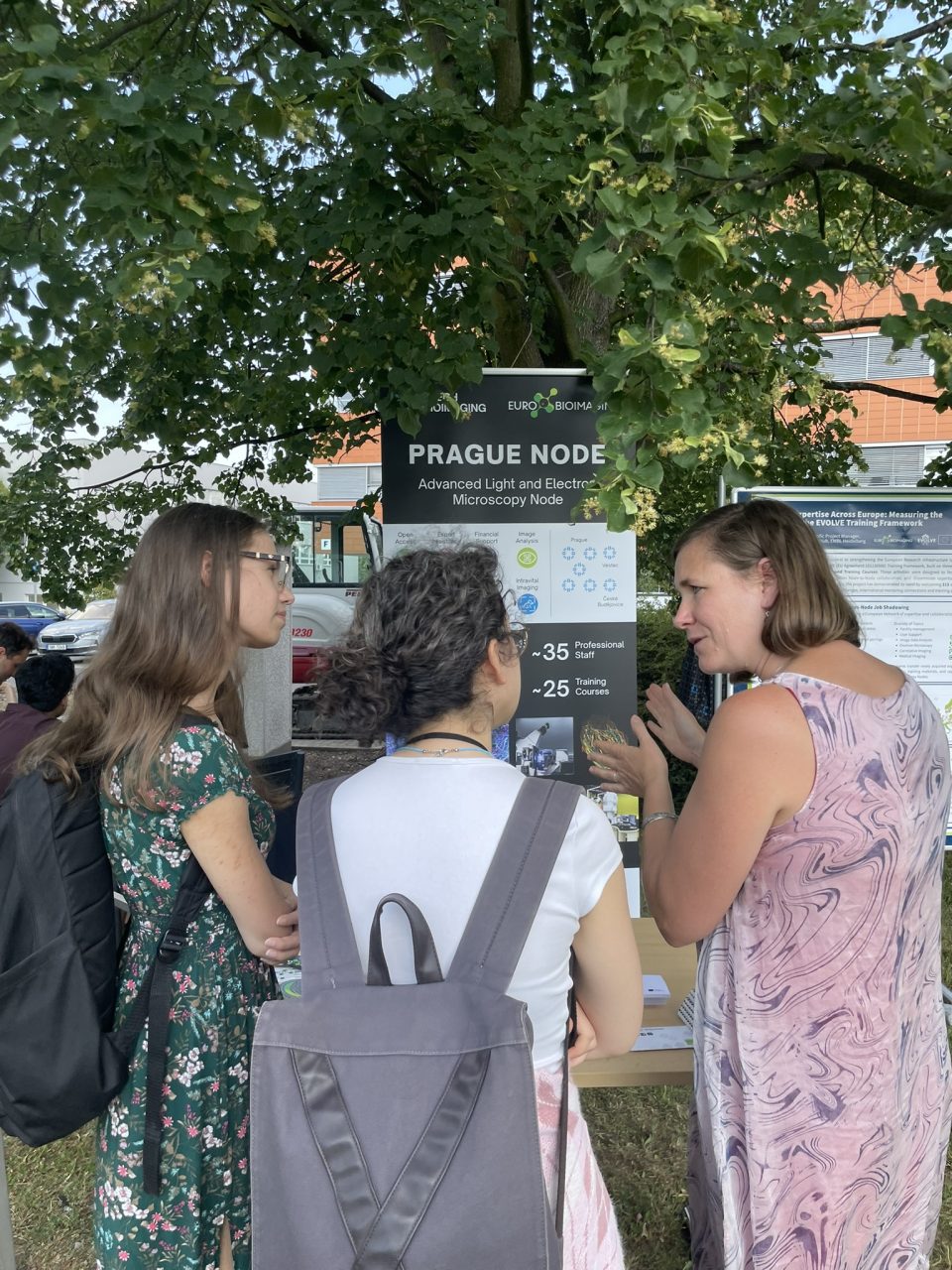
Thank you to everyone who joined us and contributed to another successful gathering of the Prague microscopy community.
See you in June 2027!
Next Page »