2 – 4 December 2025
Institute of Scientific Instruments of the Czech Academy of Sciences, Královopolská 147, Brno, Czech Republic
Learn principles of Electron microscopy and Raman spectroscopy in three days and try operating microscopes and preparing biological specimens. The course is aimed at university students and young scientists in the life sciences and soft materials who are planning to use advanced imaging and analytical methods in their research.
The course is organized by the ISI EM core facility and supported by the BC LEM and CUNI VMCF core facilities.



Institute of Molecular Genetics of the Czech Academy of Sciences
Prague, Czech Republic
The conference is open to everyone interested in imaging methods, with no presentation required to attend. The program will feature expert talks covering light and electron microscopy, multimodal and correlative imaging, and medical imaging. Highlights include keynote and invited lectures, a poster session, a company exhibition, presentations of the latest technological innovations, and outstanding results from Czech-BioImaging Core Facilities.
More details coming soon!
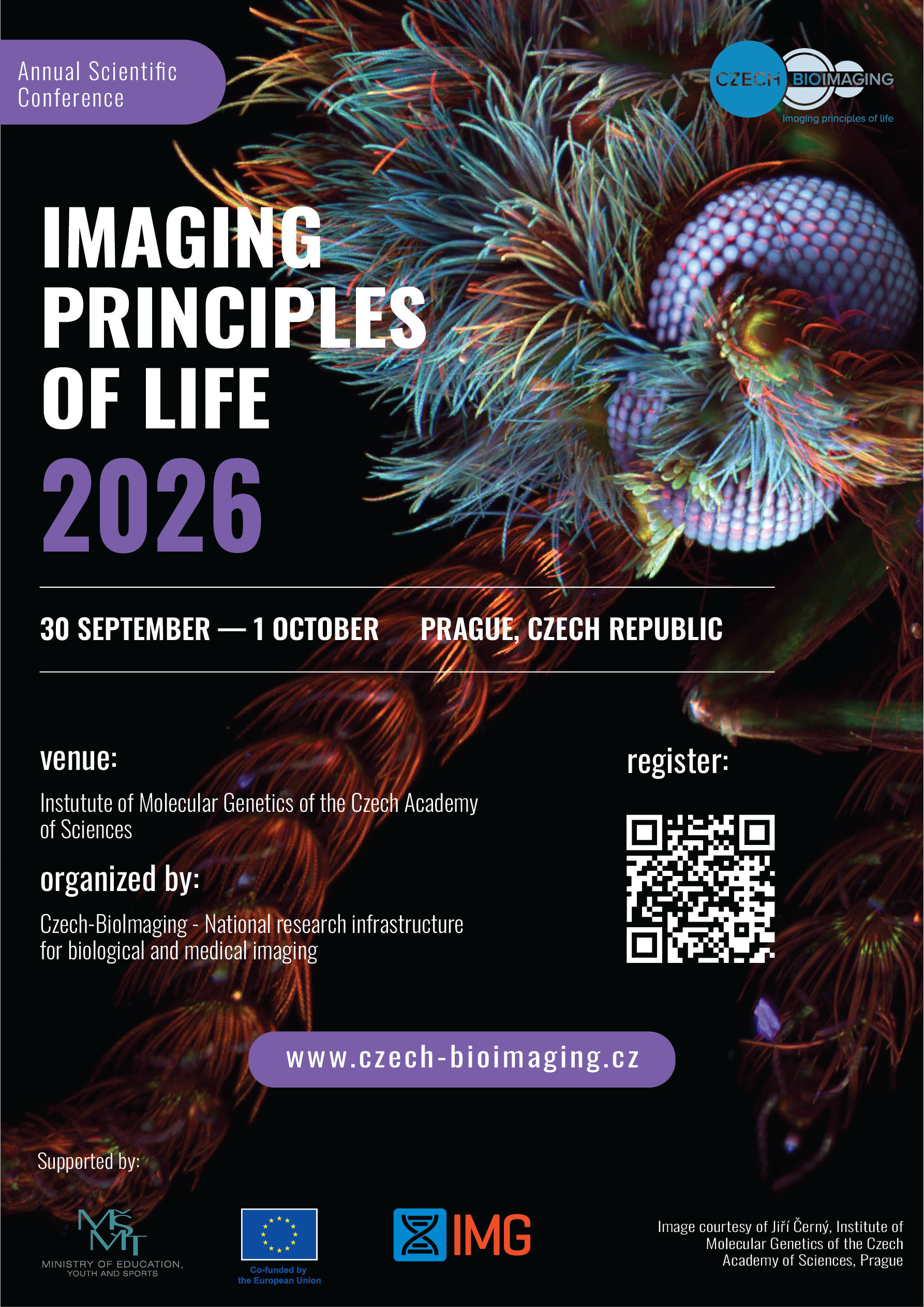
Institute of Molecular Genetics of the Czech Academy of Sciences
Prague, Czech Republic
More details coming soon!
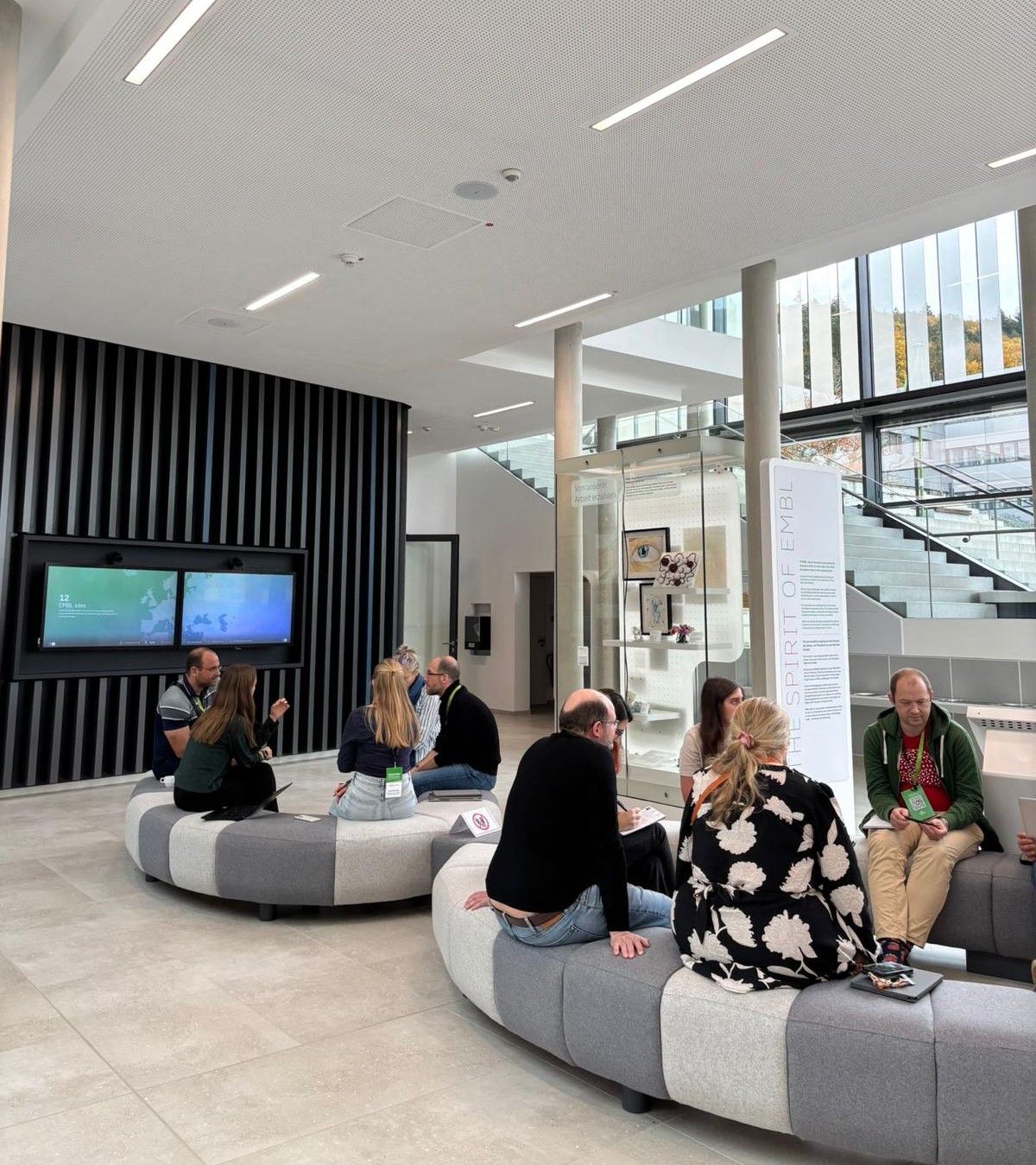
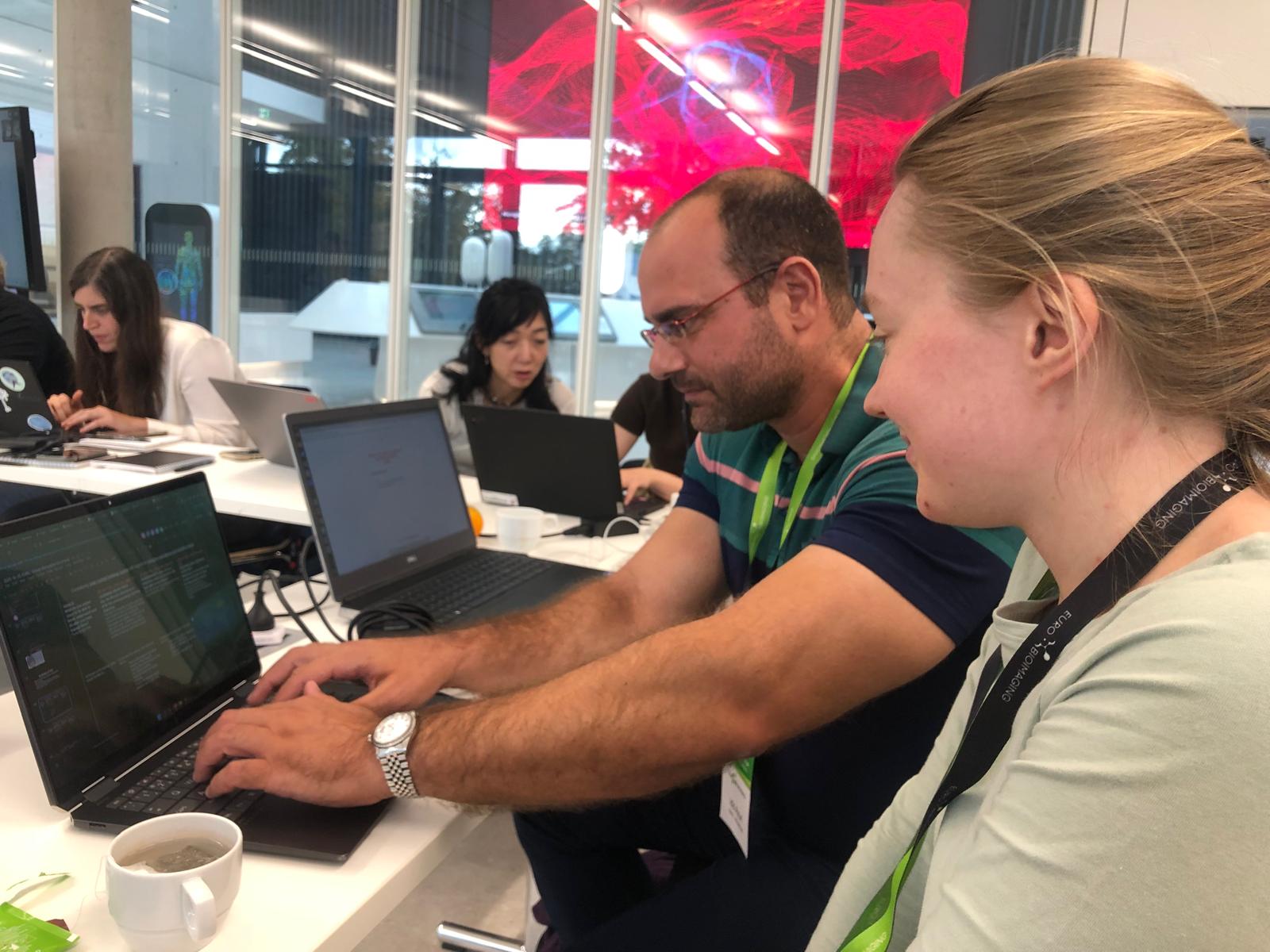
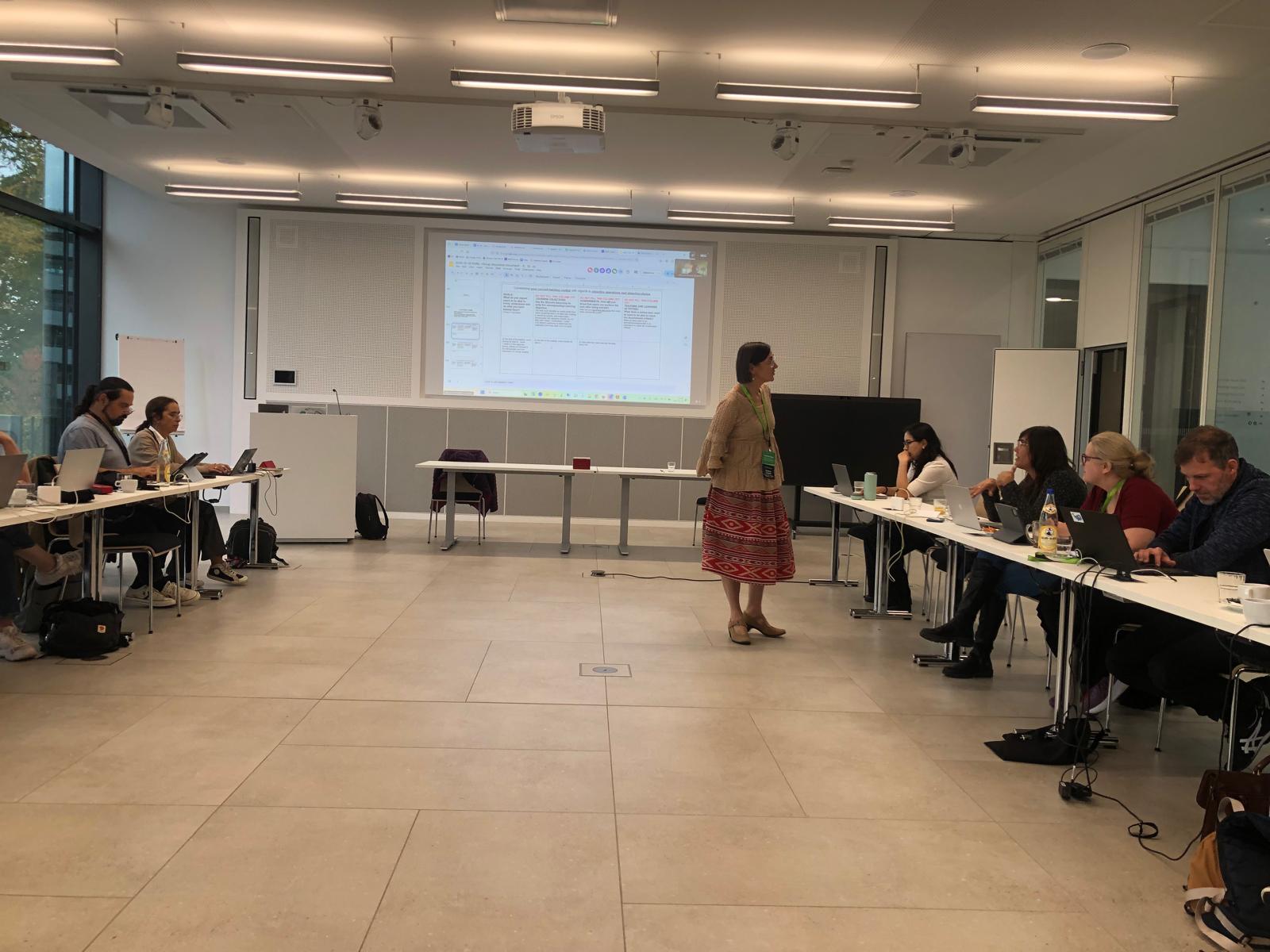
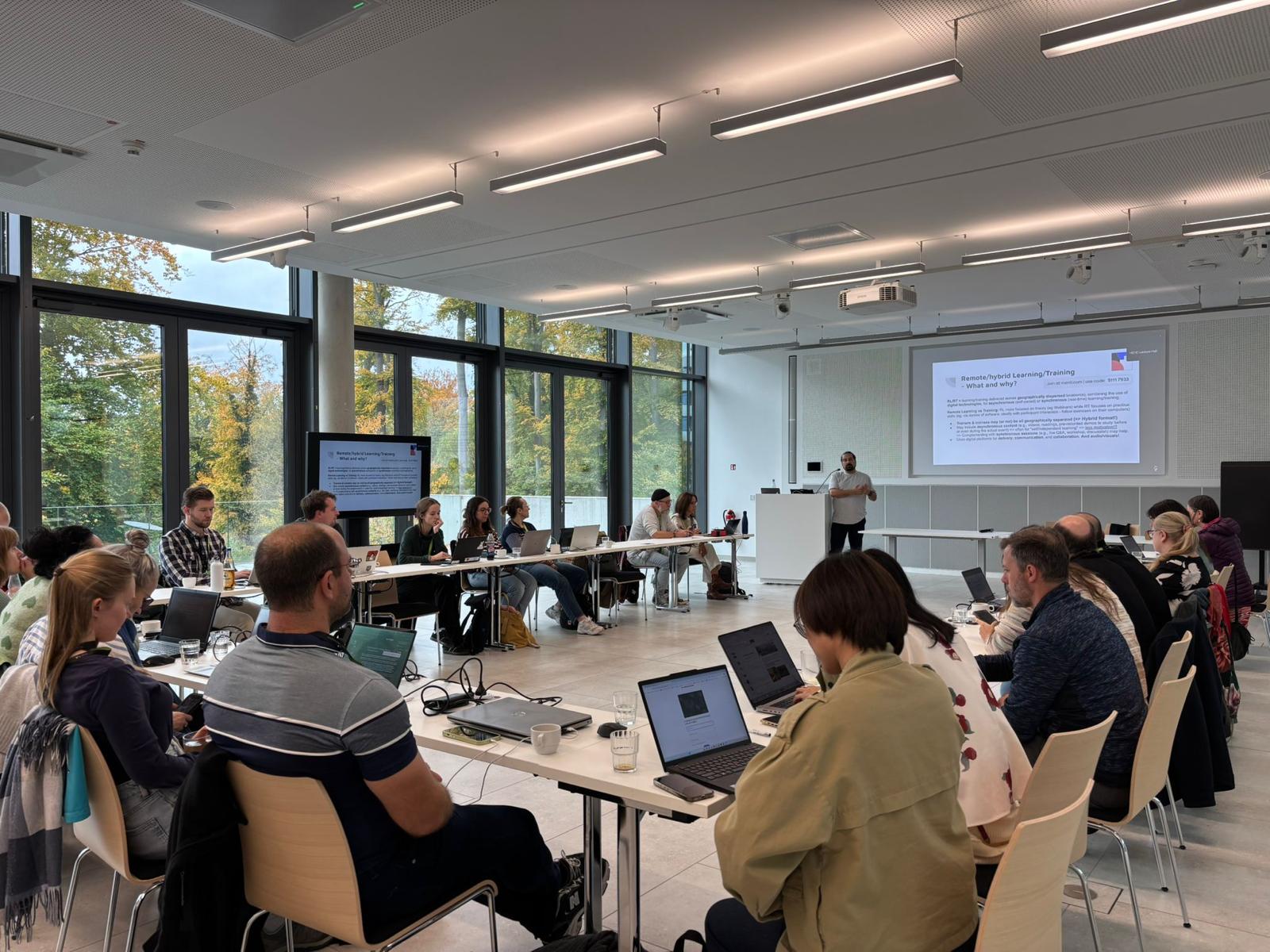
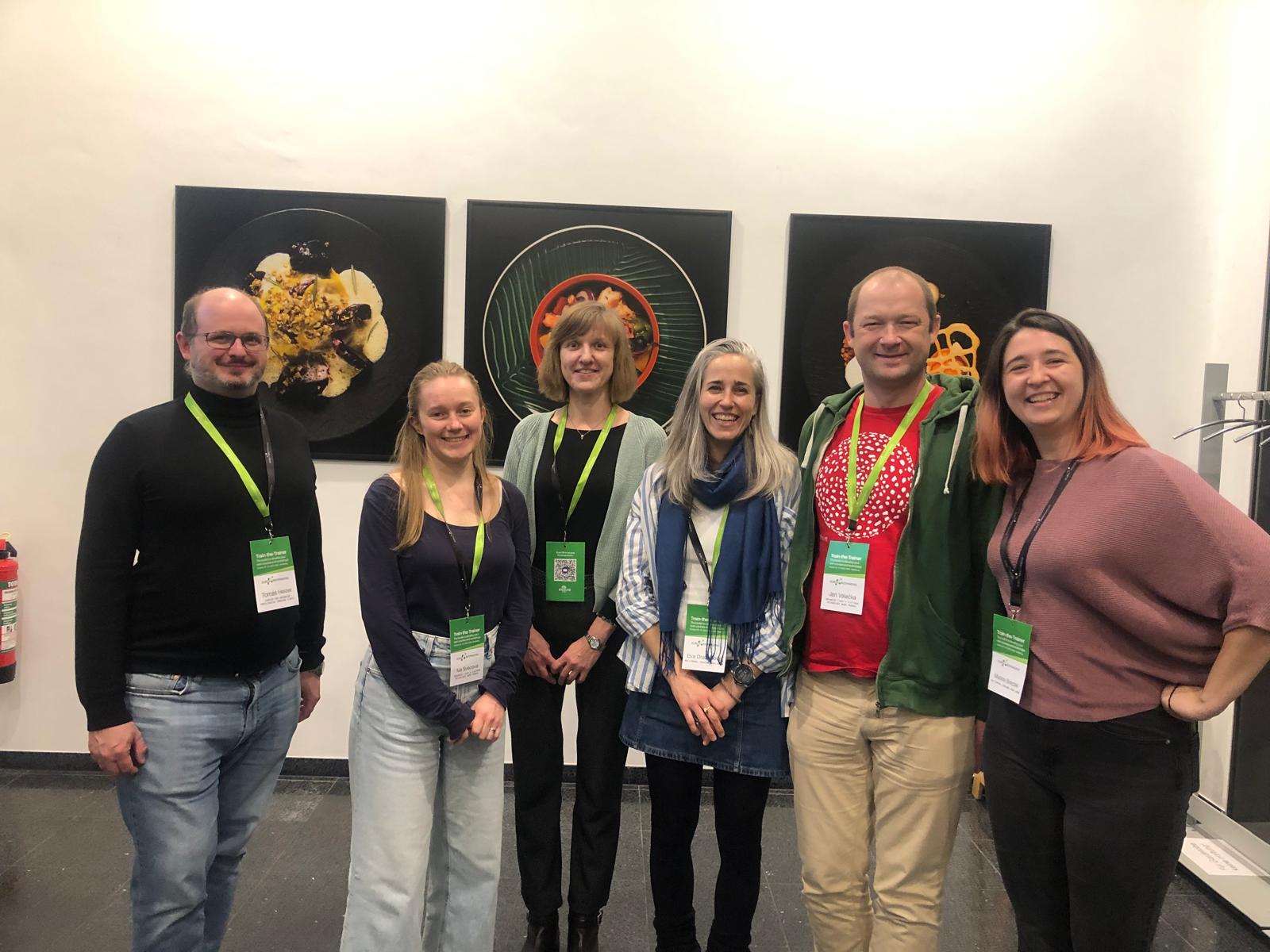
Czech-BioImaging was prominently represented at the recent Euro-BioImaging Train-the-Trainer (TtT) course, held on 20–24 October 2025 at the EMBL Imaging Centre in Heidelberg, Germany. The event was a part of Euro-BioImaging’s EVOLVE project aiming to develop innovative teaching methodologies and harmonize training standards across the European research infrastructure. The project provides a platform for trainers to refine their teaching techniques, exchange knowledge, and contribute to shaping the next generation of imaging and data processing experts.

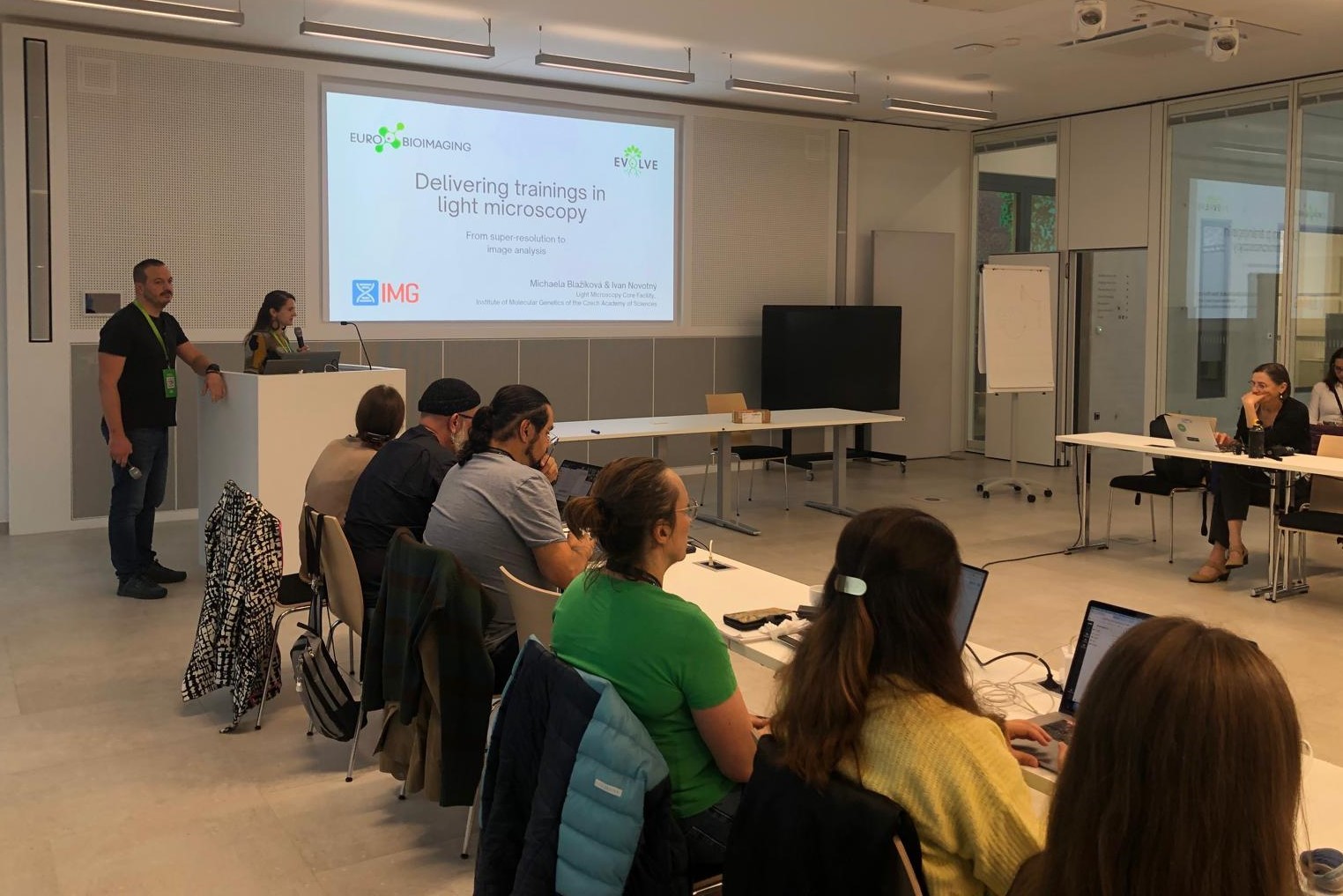
Among the course contributors were Michaela Blažíková and Ivan Novotný from the Light Microscopy Core Facility (LM CF) of the IMG, Czech Academy of Sciences (part of the Advanced Light and Electron Microscopy Node Prague CZ). Both are experienced trainers who regularly host and organize advanced courses in microscopy and image analysis. They actively participated in the program with their presentation “From super-resolution to image analysis”, showcasing practical insights from their extensive training experience.
Their involvement enriched the course discussions and strengthened the exchange of best practices between European imaging facilities, enhancing the contribution of the Czech-BioImaging to the European training portfolio.
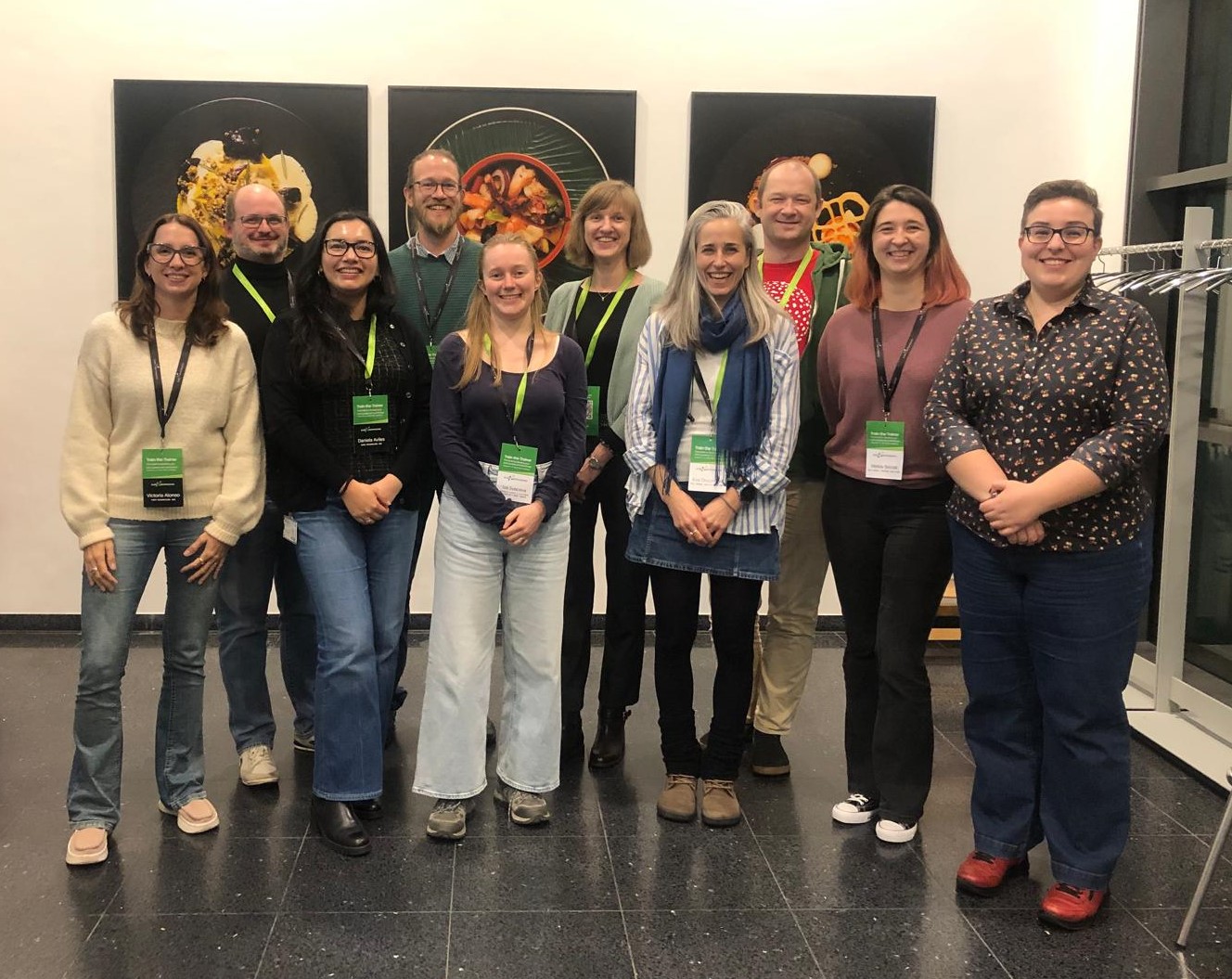
In addition to the presenters, several other Czech-BioImaging representatives from all three national nodes participated in the Heidelberg course, underscoring the network’s commitment to professional development and collaboration.
Participants included:
This strong Czech participation demonstrated the growing engagement in the Euro-BioImaging’s training ecosystem and the Czech-BioImaging’s dedication to advancing scientific excellence through structured and high-quality training for core facility staff.
Participation in Euro-BioImaging activities, such as this one, is of great importance to the Czech scientific community, providing valuable opportunities to strengthen connections, share expertise, and stay aligned with European standards in imaging and education.
Alongside open access to imaging technologies and funding of user projects, training activities form one of Czech-BioImaging’s main strategic priorities. The inclusion of staff training through initiatives like EVOLVE complements our user-oriented educational programs and contributes to the long-term growth of expertise across Czech imaging facilities.
We highly value the opportunity to be part of Euro-BioImaging and are glad to have contributed to this collaborative effort. We look forward to continuing our participation and welcoming more opportunities like EVOLVE in the future to further strengthen both Czech-BioImaging and the broader European imaging community.
Euro-BioImaging website: www.eurobioimaging.eu

2-3 October 2025
CEITEC Brno University of Technology, B0.04, Purkyňova 123, Brno
This course is the introduction to light microscopy and to the Biophotonics Core Facility. It is particularly suitable for potential users of the facility. The course can also be registered for a PhD study program as the TEB-A subject available at the Faculty of Mechanical Engineering.

19-21 November 2025
CEITEC MUNI, University Campus, Building E35, Room 145
This course, organized by the MUNI MAFIL CEITEC Core Facility is designed for master’s and doctoral students specializing in human brain mapping, regardless of their primary academic background. While prior knowledge of brain mapping is beneficial, it is not mandatory. Participants will gain both theoretical and practical expertise in various neuroimaging techniques.
Registration and a course fee are required for participation.

Dear Czech-BioImaging users,
it is our pleasure to inform you that the 2026/1 open call for User project support will open on September 1, 2025 at 10:00 a.m. and will close on September 30, 2025 at 23:59 p.m.
This call invites innovative researchers to apply for financial support to carry out cutting-edge biomedical imaging projects at our Core Facilities.
Through this call, we provide up to CZK 100,000 (approximately €3,800) to support measurement costs, imaging-related sample preparation, and data analysis. We welcome both academic and commercial users from Czech and international institutions. This call aims to help users advance their projects by offering access to state-of-the-art technologies and expert support. Many past collaborations have led to impactful publications and successful grant applications.
Open Call Timeline:
9-12 September 2025
MUNI CELLIM CEITEC, University Campus, Building C02, Room 121 + CELLIM
We invite you to participate in a hands-on course focused on advanced techniques in light microscopy. The programme will cover various super-resolution imaging methods (including Image Scanning Microscopy, Optical Reassignment, SIM, and STORM), Light Sheet Microscopy, and Fluorescence Lifetime Imaging.
The theoretical sessions will be followed by hands-on training, giving participants the opportunity to apply these techniques on real biological samples. The course also includes dedicated sessions on image processing.
Hands-on session will be conducted using the following high-end systems:
24 – 28 November 2025
Institute of Molecular Genetics, Vídeňská 1083, 142 20, Prague
The course is designed for beginners and intermediate users of transmission electron microscopes. Upon completion of the course, participants will understand the principles of transmission electron microscope design and operation, and will receive extensive hands-on experience with transmission electron microscopes of varying complexity. Participants are encouraged to bring their own samples on TEM grids for imaging. While the focus will be on routine TEM operation, a demonstration of the cryoTEM workflow and a brief overview of sample preparation methods are also included in the program.
The course is taught in English.

until 16 June 2025
Online open call
Dear Czech-BioImaging Users,
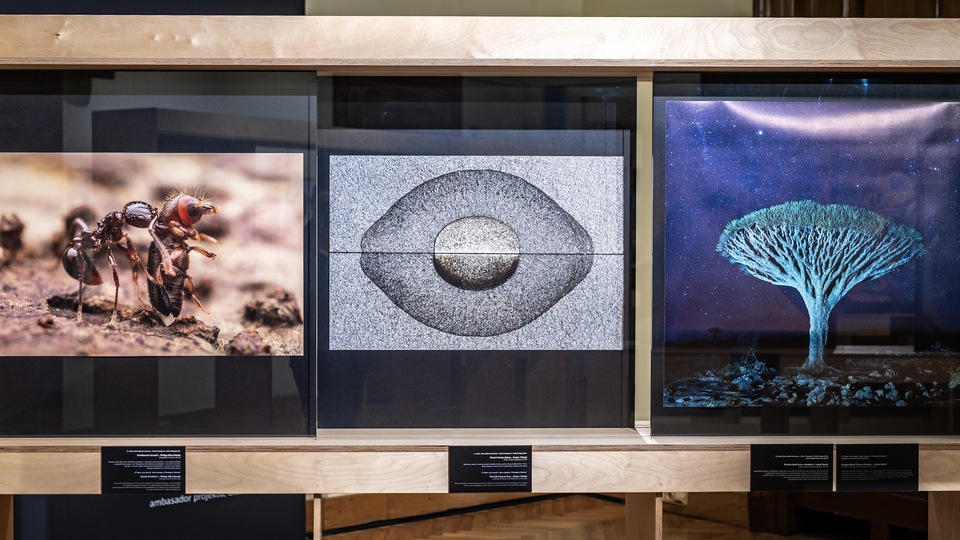
we are pleased to share that the 12th annual Photogenic Science photography competition is now open for submissions as of May 5, 2025. This contest is organized for employees of the Czech Academy of Sciences and celebrates the visual beauty of scientific work.
We invite all Czech-BioImaging users to participate in the competition and submit their photographs—especially images captured through microscopes during their research projects conducted in our Core Facilities.
Selected entries will be showcased in an exhibition at the Science and Art Gallery in the Czech Academy of Sciences building on Národní třída at the end of 2025. In addition, top photographs from the main category will be featured in the official 2026 calendar of the Academy.
Photographs must be submitted via the online form at www.vedafotogenicka.cz. To upload photos, registration or login is required. Detailed rules and submission guidelines are available in the “Rules” section of the website.
25-27 September 2025
School of Medicine, Acıbadem Mehmet Ali Aydınlar University, Istanbul, Turkey
Dear Colleagues,
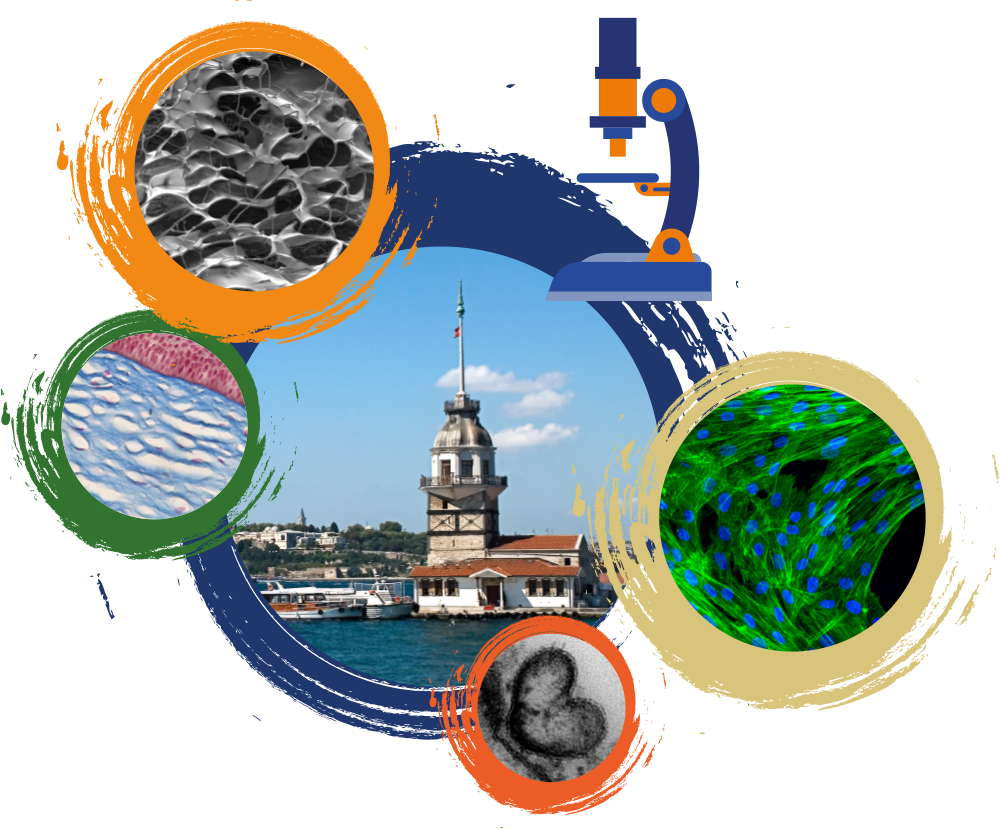
It is our great pleasure to invite you to the 27th National Congress of Electron Microscopy (EMK 2025) and the 2nd International Microscopy and Spectroscopy Congress (MSC 2025), which will be held under the auspices of the Turkish Society for Electron Microscopy and hosted by Department of Histology and Embryology, School of Medicine, Acıbadem Mehmet Ali Aydınlar University, Istanbul, in September 25 to 27, 2025.
Abstract submission deadline: 31 May 2025
Early registration deadline: 25 July 2025
Both congresses welcome all microscopy studies in the fields of life sciences and material sciences. We sincerely believe that our congresses will contribute to the creation of a scientific environment where microscopy studies will be presented and discussed with the participation of valuable scientists who are experts in their fields, as well as contributing to close cooperation and collaborations including social interactions. Technical presentations and exhibitions of our sponsor companies regarding recent developments in the field of microscopy will be included in the congress content. The Congress venue, Acıbadem University Congress Center, equipped with state-of-the-art congress facilities, is situated in the city center with very easy access to the subway and Marmaray rail line that connects the Asian and European sides of the city.
On behalf of Organizing Committees and the Executive Board of the Turkish Society for Electron Microscopy, we extend our warmest regards and look forward to your valuable participation.
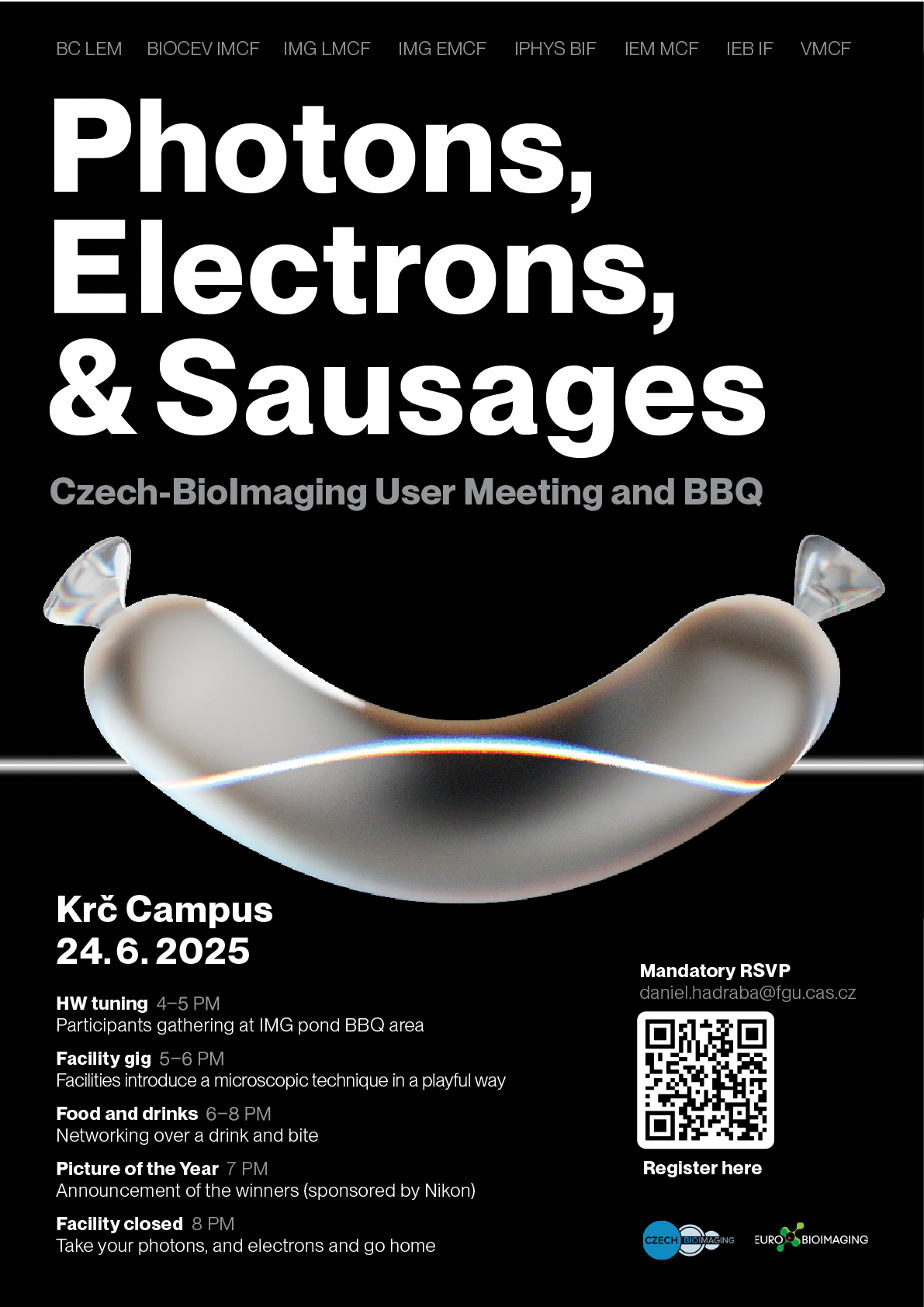
Tuesday, 24 June 2025
Institute of Molecular Genetics, Vídeňská 1083, 142 20, Prague
Dear Czech-BioImaging and Euro-BioImaging users,
we are thrilled to invite you to our annual summer event, Photons, Electrons, & Sausages 2025 – user meeting and BBQ, hosted by the Prague Czech-BioImaging Core Facilities (CFs) and facilities that are the part of the Prague Node of the Euro-BioImaging ERIC. The event brings together all those who have utilized the services of CzBI CFs throughout the year and it serves not only as a user meeting, but also as a celebration of the collaboration and cooperation that have developed between our users and the CF staff across various projects.
Save the date:
The event is exclusive to registered users. Please ensure you register via our registration form to secure your spot and join us for an afternoon filled with great food and refreshing drinks, engaging activities with a microscopy theme prepared by our CFs and an announcement of the Picture of the Year award, showcasing pictures produced with the help of our facilities.
Upon registration, you will receive a confirmation email, which serves as your gateway through the Krč Campus security gate. Make sure to register early to help us plan the event smoothly.
We’re looking forward to seeing you at this casual get-together centered around the world of microscopy.
Best regards,
PES 2025 organizers